It’s hard to picture a sumo wrestler playing golf, and it’s even harder to imagine why these 330 lbs men would be banned from playing the sport altogether.
This is actually a story about one of the darkest chapters in Japan’s national sport’s 1,500-year-old history.
This ban wasn’t for bad etiquette or poor play, or even to prevent the country’s biggest superstars from getting injured. This was a desperate attempt by the governing body to restore the sport’s moral fibre, which was reeling from a massive match-fixing scandal.
In 2011, it became clear that sumo wrestling had deep-rooted ties with organized crime, which was threatening the integrity of the sport. That’s why these wrestlers were banned from stepping up to the tee box.

Why banning sumo wrestlers from golf helped to prevent match fixing
The catalyst for this ban was a 2011 investigation into illegal baseball gambling. While probing the mobile phones of several wrestlers, police discovered dozens of text messages explicitly detailing the orchestration of fixed matches.
Wrestlers traded wins and losses to maintain their rankings, often exchanging hundreds of thousands of yen to finish with a winning record on the season and prevent demotion.
The fallout was unprecedented. The JSA (sumo’s governing body) canceled the March Grand Tournament for the first time in over 50 years, and 25 wrestlers and trainers were eventually forced out of the sport, throwing the sport’s integrity into disrepute.
So why ban golf? The JSA thought golf represented a dangerous place for people to influence sumo wrestlers. It’s a hugely popular sport in Japan, and a place for networking between athletes and their sponsors.
The JSA feared that these long afternoons on the course provided too much unsupervised time for wrestlers to consort with individuals linked to organized crime, or to negotiate match-fixing deals that had just brought the sport to its knees.
Golf was banned, and mobile phones were temporarily confiscated as the JSA wanted the athletes to feel the immense pressure of the scrutiny. They were extreme measures, but measures that saved the sport.
Why golf was unbanned by the JSA
Following the 2011 scandal, golf was gradually reintroduced into sumo. Once the JSA believed they had successfully cut ties with most of their ties to organized crime and match fixing, these lifestyle bans were eased.
The rehabilitation of the sport’s image was largely driven by a new generation of superstars, most notably Yokozuna Hakuho. As the sport’s dominant figure, Hakuho publicly embraced golf, turning the game into a healthy outlet rather than a breeding place for scandal.
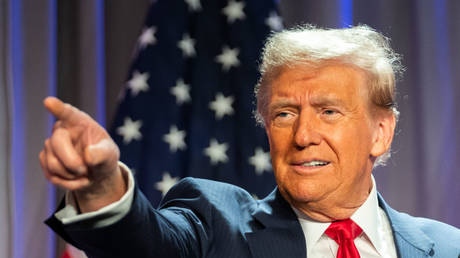
In 2019, US President Donald Trump played a morning round of golf with Japanese Prime Minister Shinzo Abe, before attending a sumo tournament in the afternoon.

This cemented the idea that golf and sumo were no longer at odds. Instead, they were the twin pillars of Japanese sporting culture.
Today, the golf ban is simply a strange relic of a dark era.