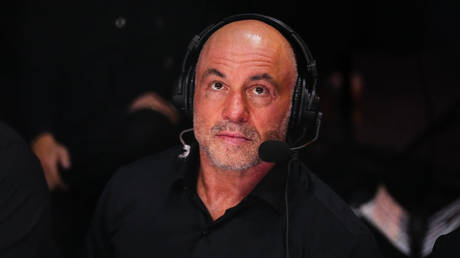
Earlier this year, I had the pleasure of attending the Sony World Photography Awards (SWPA) 2026. During the evening ceremony where this year’s victors were announced, I met Will Burrard-Lucas, an award-winning wildlife photographer whose work I was already familiar with.
Burrard-Lucas took home another award that night, the SWPA 2026 wildlife and nature category, with a series of photos of a rhino, giraffe, elephants and more in Kenya’s Maasai Mara National Reserve, captured with remotely-triggered Canon DSLRs. He filled in the blanks for me on how he created these photos — and you can read that interview in full.
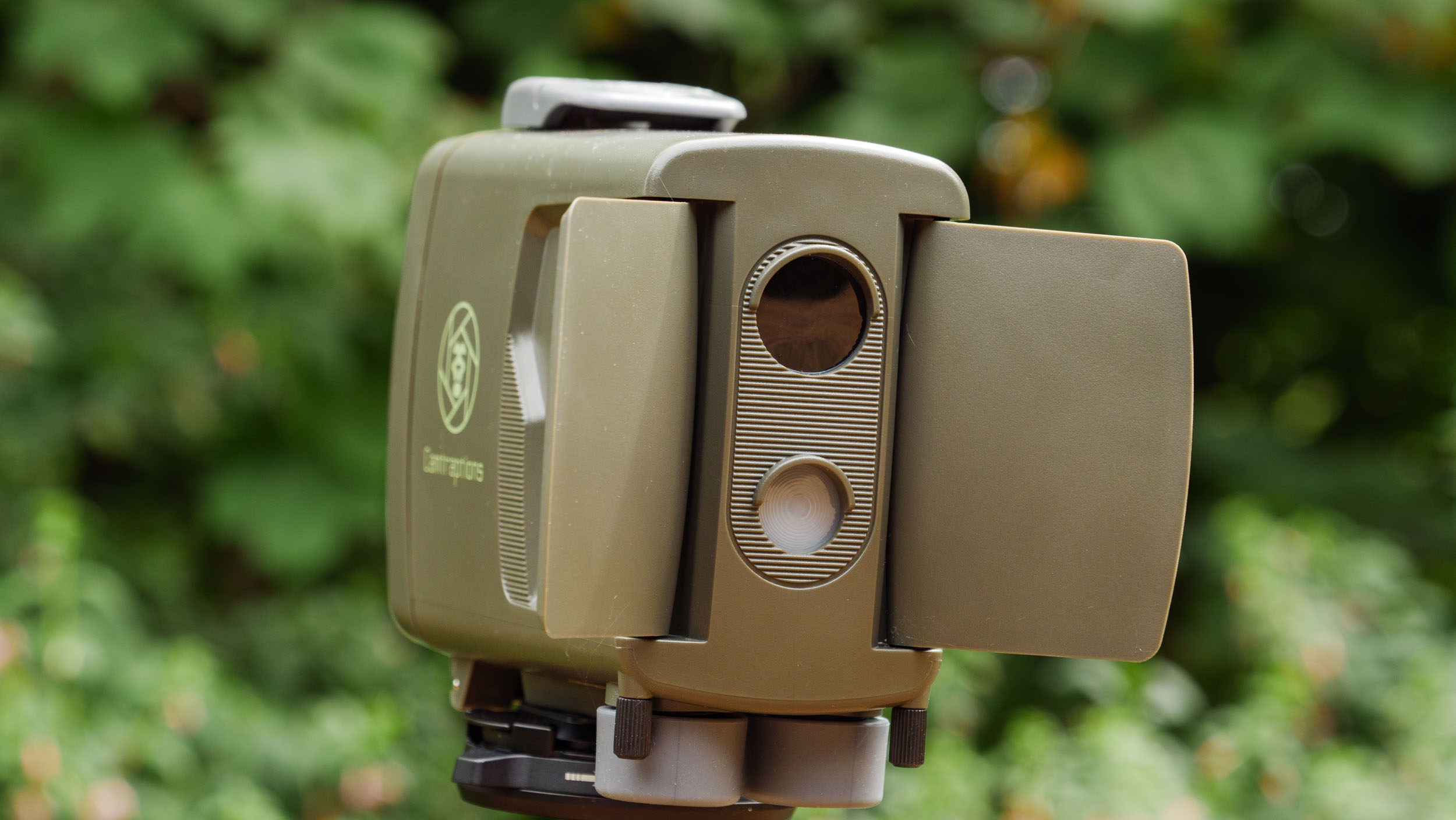
He used his self-developed infrared camera ‘traps’, which can wirelessly connect to a pro-grade camera — Burrard Lucas actually recommends old DSLRs — and trigger the shutter when motion is detected, and which are available on his own website.
These sophisticated devices are called Camtraptions, and their automated function sounded much more appealing than my prior rudimentary setups for garden wildlife photography, which required a lot of involvement on my part that I didn’t necessarily have the time or patience for.
And so, I cheekily requested to try out these Camtraptions devices for myself, and Burrard-Lucas happily obliged, sending me a full kit that I planned to test in my garden at home. Could I photograph next-level garden wildlife photos with this newfound setup? I’m here to share my experience.
What is a ‘Camtraptions’ camera trap sensor and how does it work?
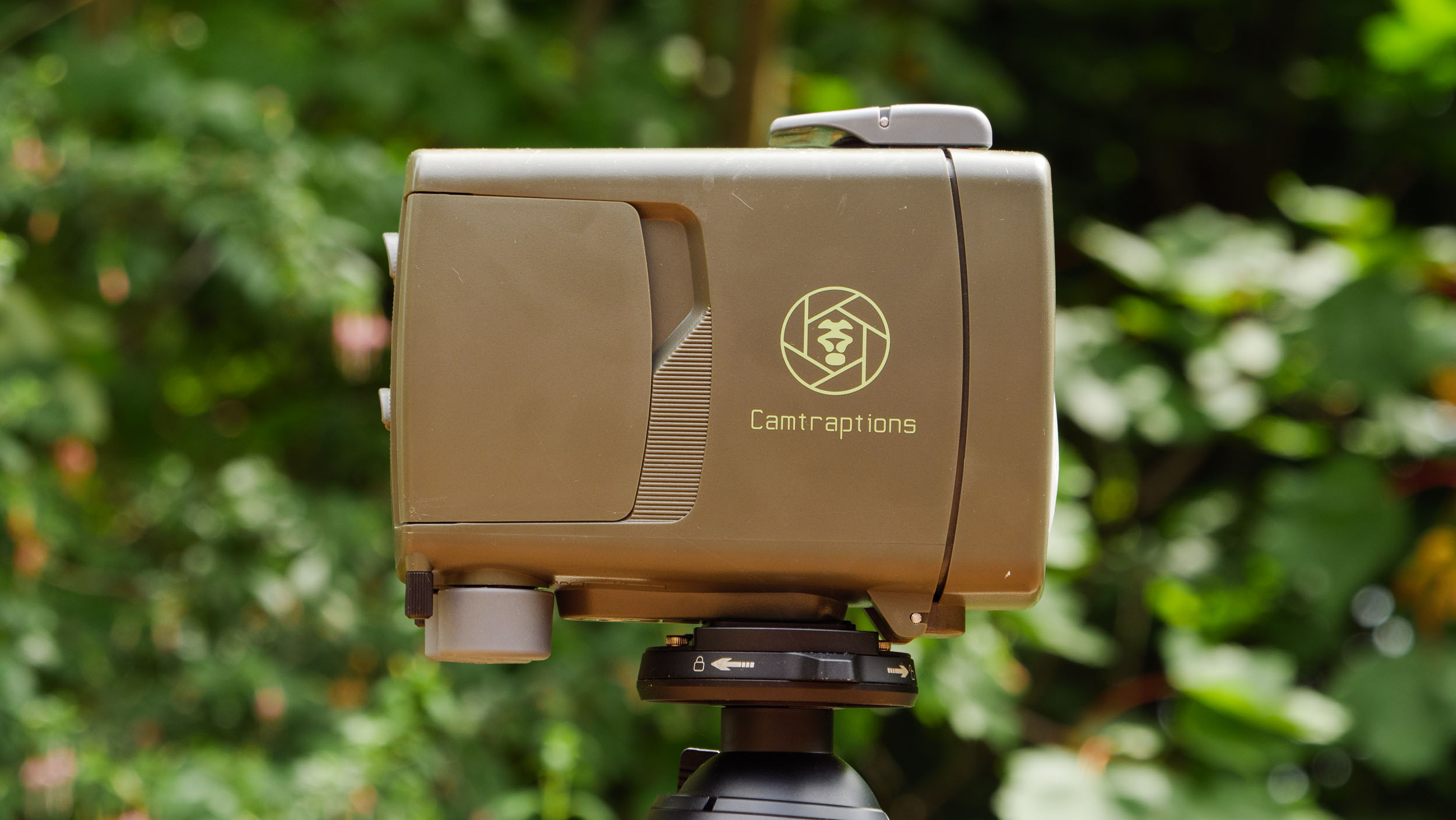
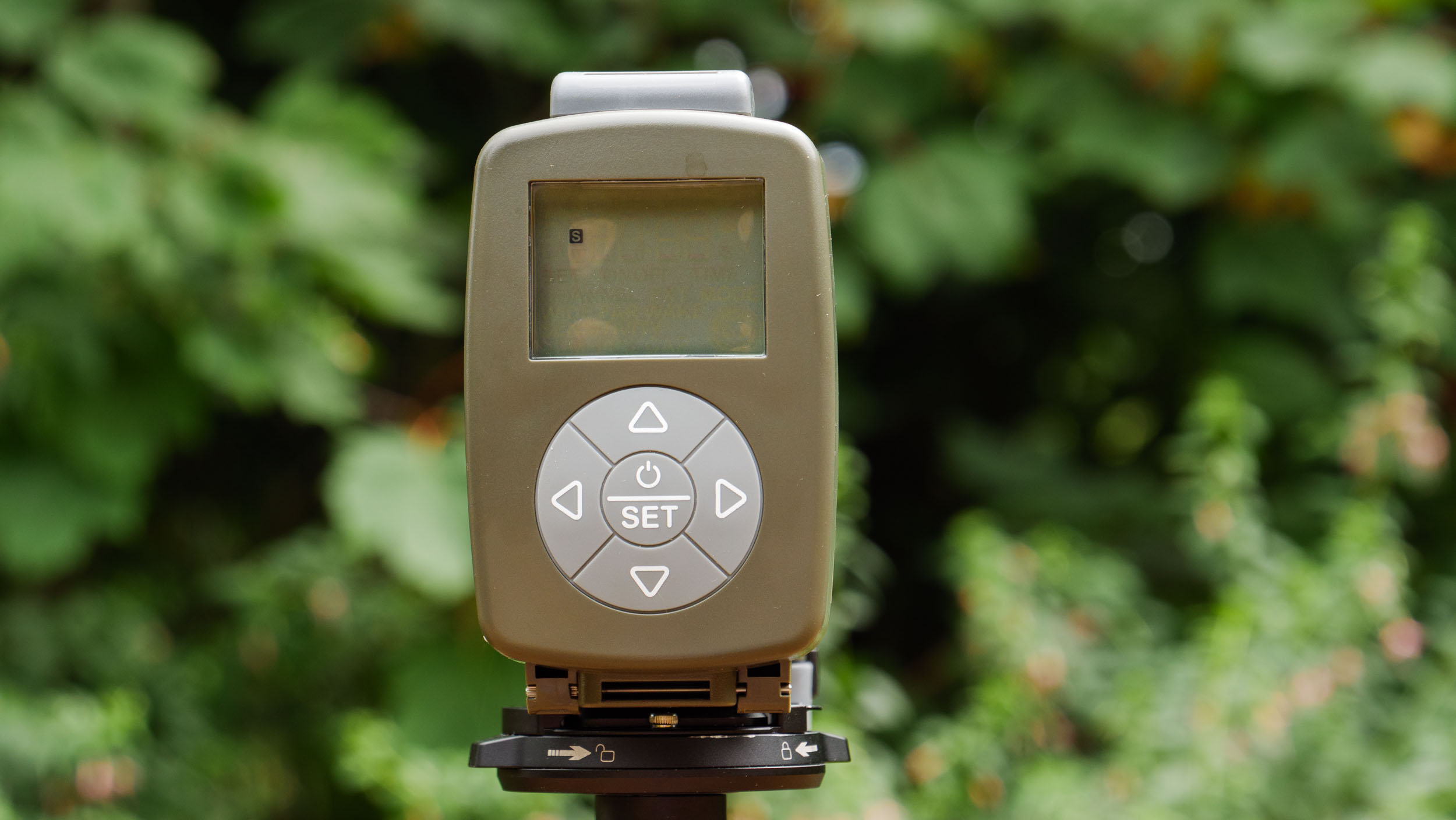
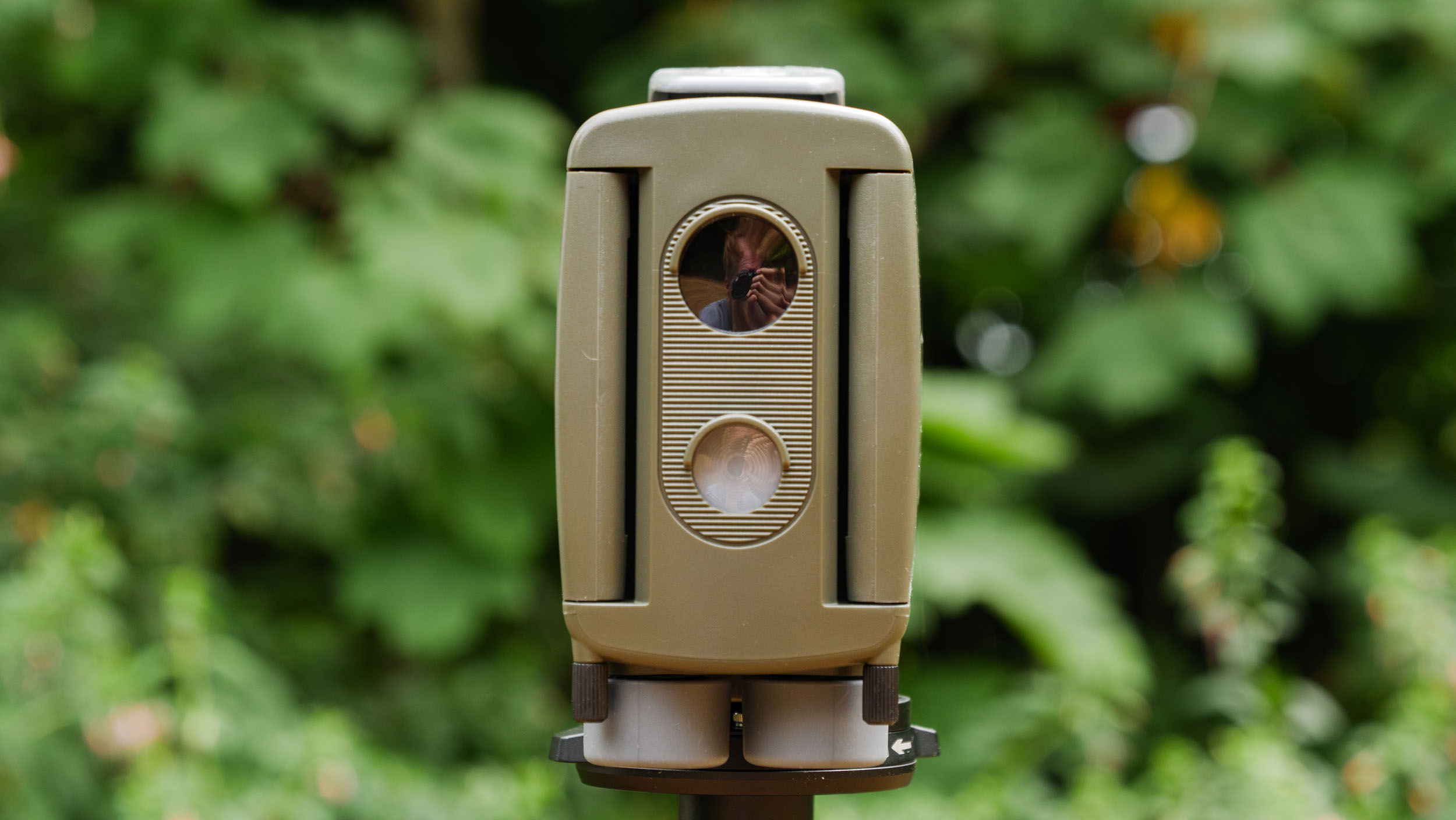
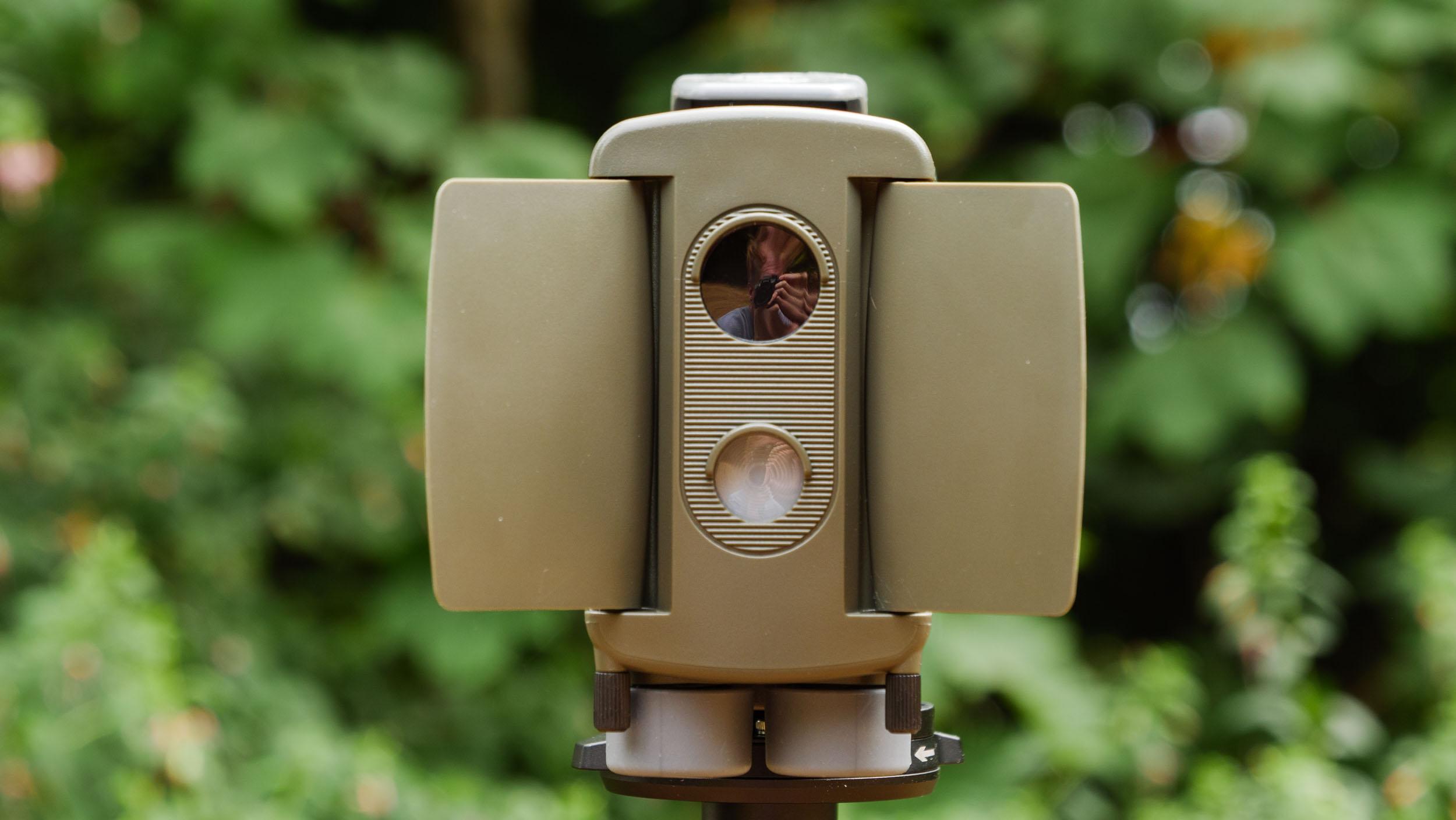
Cameras that use infrared to detect motion and in turn take photos or videos, remotely capturing the action, are nothing new. Two popular examples are budget trail cams and bird feeder cams, and you’re not short of choices for either type.
The problem with these convenient devices is the quality they produce; they tend to take JPEG photos just 2-3MB in size and HD video, using a tiny imaging sensor through a sub par lens. In short, they are highly convenient, but image quality is poor. These rugged devices are designed to be left on location for long periods for monitoring purposes — but no serious photographer would prize the quality of the photos they take.
For high-quality and intimate images of wildlife fit for photo contests, that you simply couldn’t capture in person, a Camtraptions Passive Infrared (PIR) device with reliable remote capture, paired with a pro camera, could be the ticket.
Burrard-Lucas actually recommends old DSLRs when photographing wildlife remotely using his Camtraptions PIR devices, because he tends to leave the camera on location for months at a time, and these cameras represent a sensible cost to quality ratio. They also work reliably with flash.
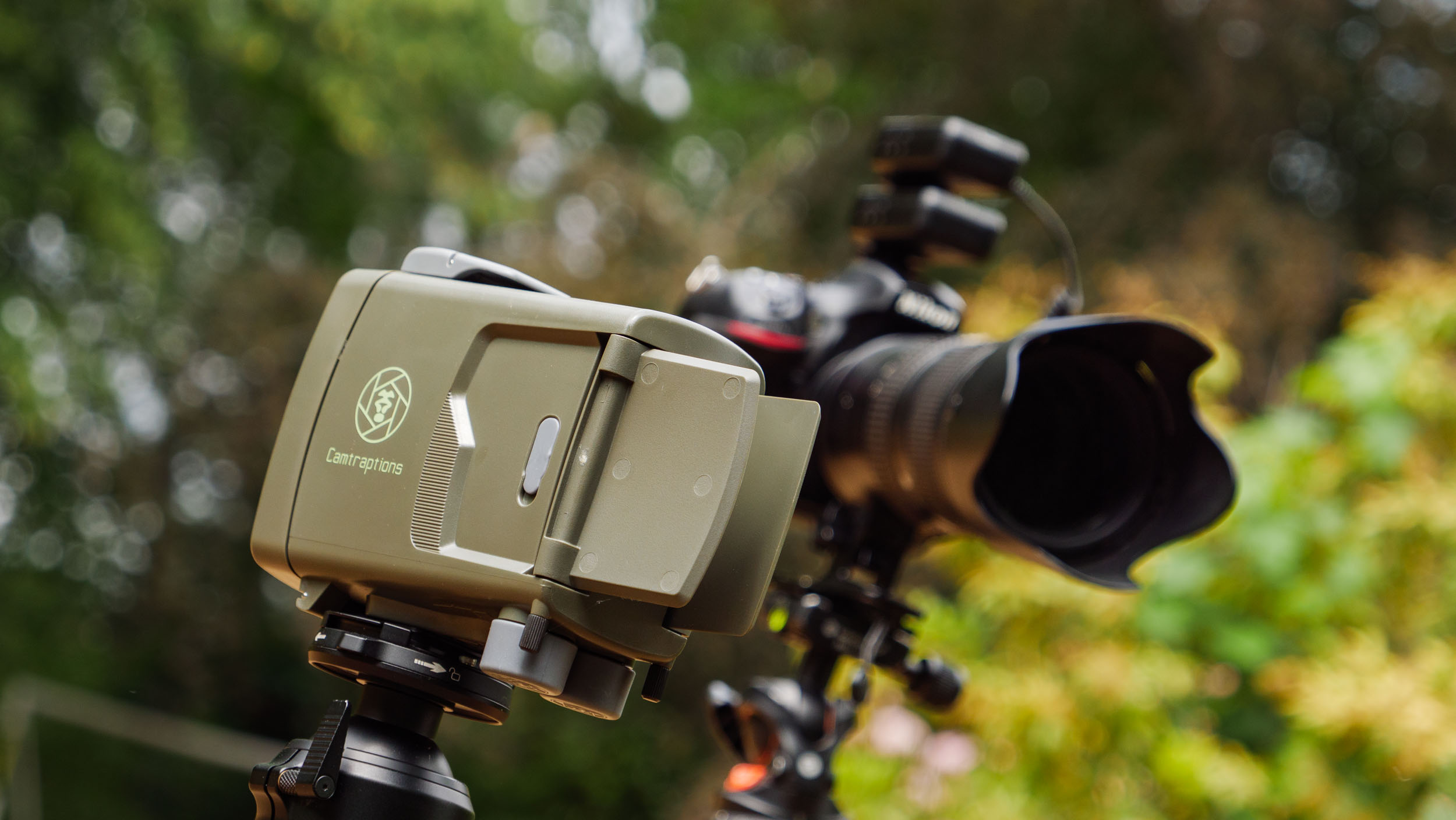
There are plenty of great value secondhand options at leading retailers such as MPB (UK) and Adorama (US), but I already had my own Nikon D800 in mind — a 36MP full-frame model from 2012 that I hadn’t used for over two years.
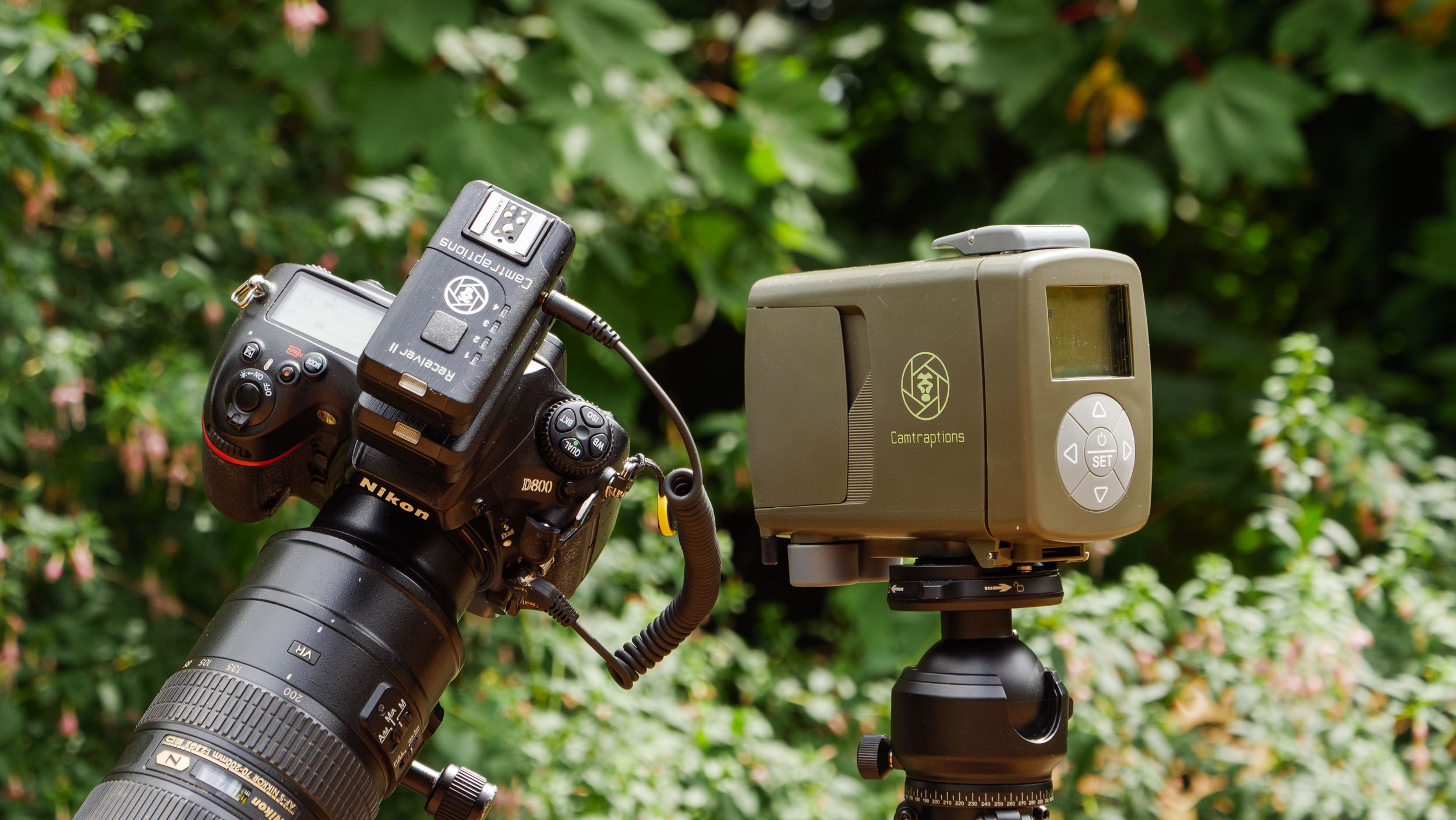
For my daytime setup, I used a Camtraptions PIR V4 (£175) camera trap sensor fitted with a 6xAA to NP-F Battery Adapter (£8) for power (AA batteries not included), plus a wireless receiver (£23) connected with a camera connecting cable (£9) — all available at the Camtraptions store.
For the nighttime setup, I added 2x Z2 Camera Trap Zoom Flashes (£89 each), each fitted with a receiver (another £23 each), and then a transmitter for the camera to communicate with the flashes (£23). The site sells all manner of lighting, weatherproof housing and so on. I already had a camera and lenses plus 4x tripod supports needed for the latter setup. I recommend talking with the Camtraptions team to get the right kit for your needs.
All prices above exclude VAT. Camtraptions is a UK based company but also ships to the US and EU, with prices and shipping calculated at checkout.
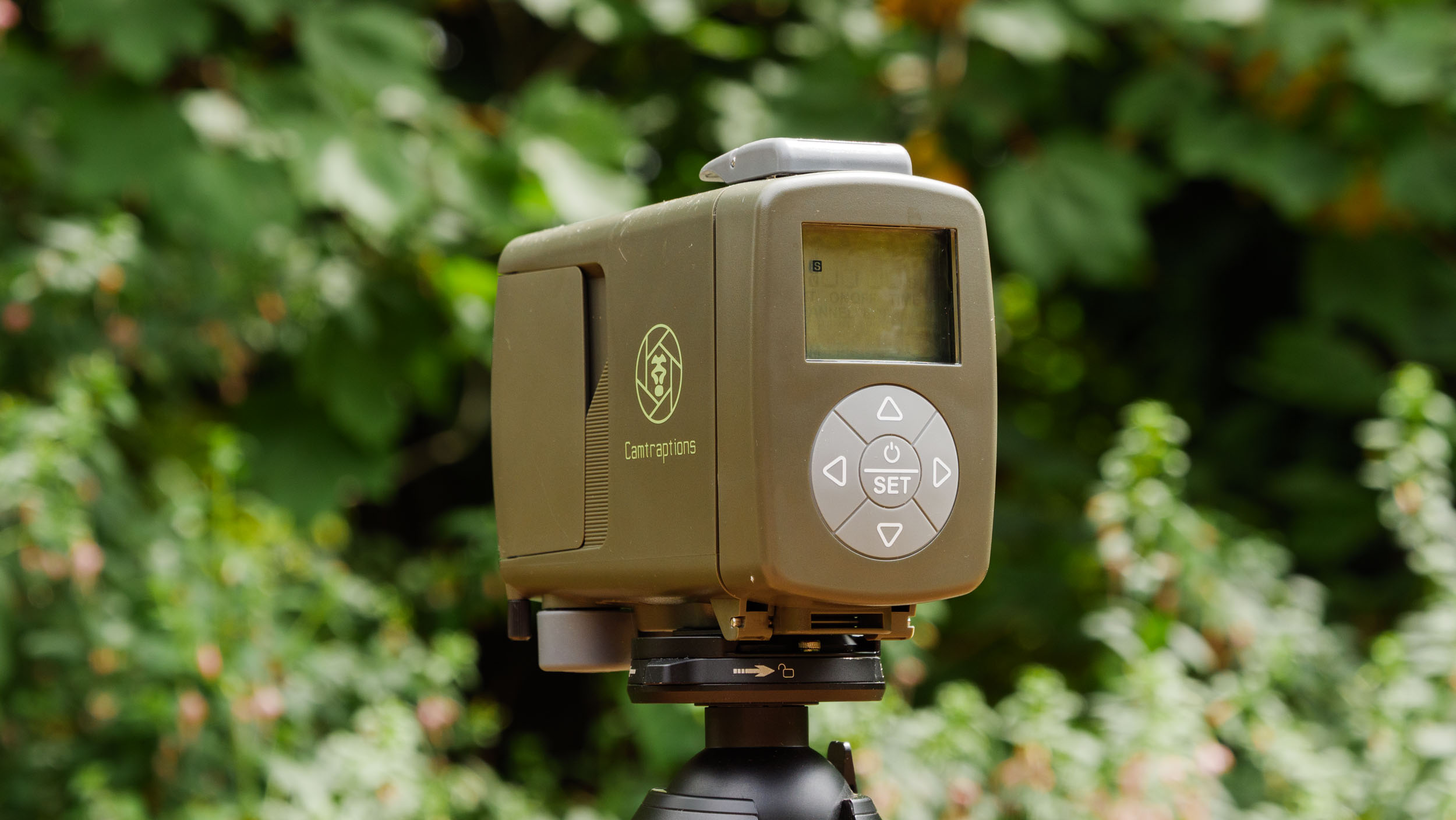
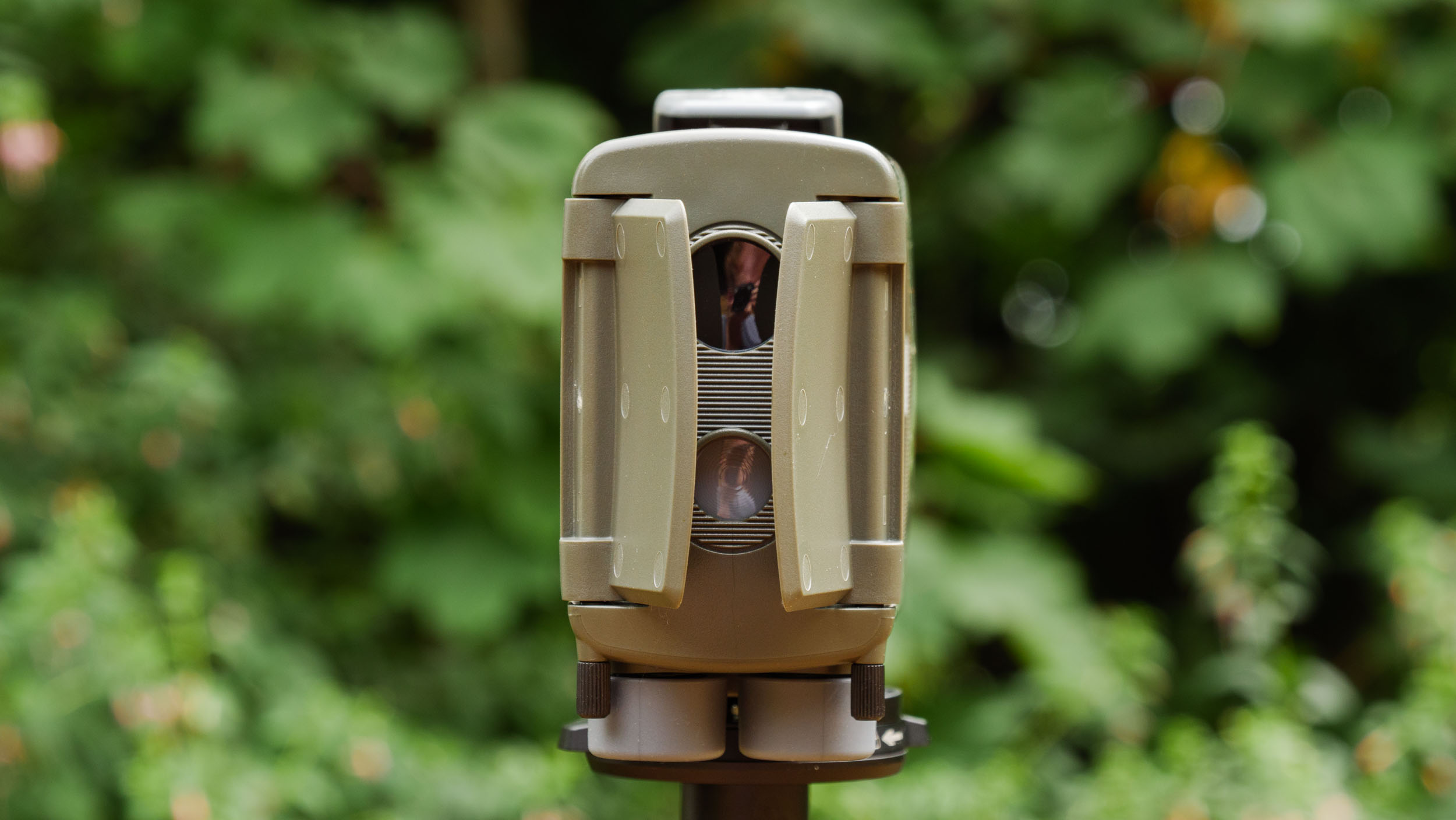
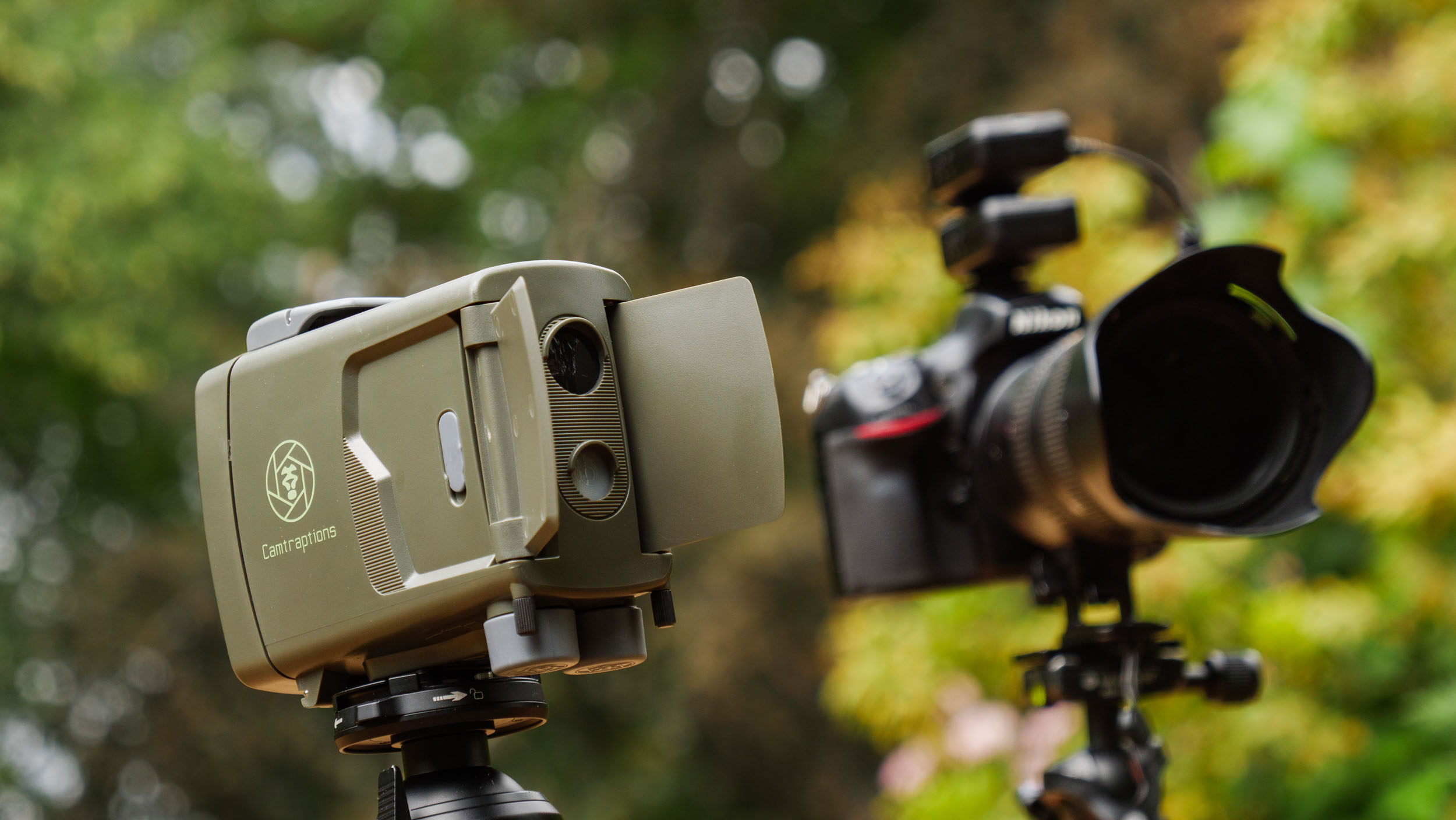
The Camtraptions device loaned to me uses infrared to detect motion and wirelessly trigger the camera using its built in transmitter. You simply connect a separate Camtraptions receiver unit to the camera and sync the pair on the same channel. There are detailed manuals on the Camtraptions site — the one I needed being a full 85 pages!
Camtraptions have been developed over years and the most recent is the V4, which is packed with handy features; near and far infrared range options, doors that can narrow the otherwise wide scan area to a focused spot, multiple frames per second triggering and so on.
Ultimately, I breathed new life into my otherwise out of action Nikon D800 and F-mount lenses, setting it up on location in my garden over warm, rainless summer months, in the hope of capturing garden wildlife photos otherwise not easily possible.
My first test — daytime bird photography
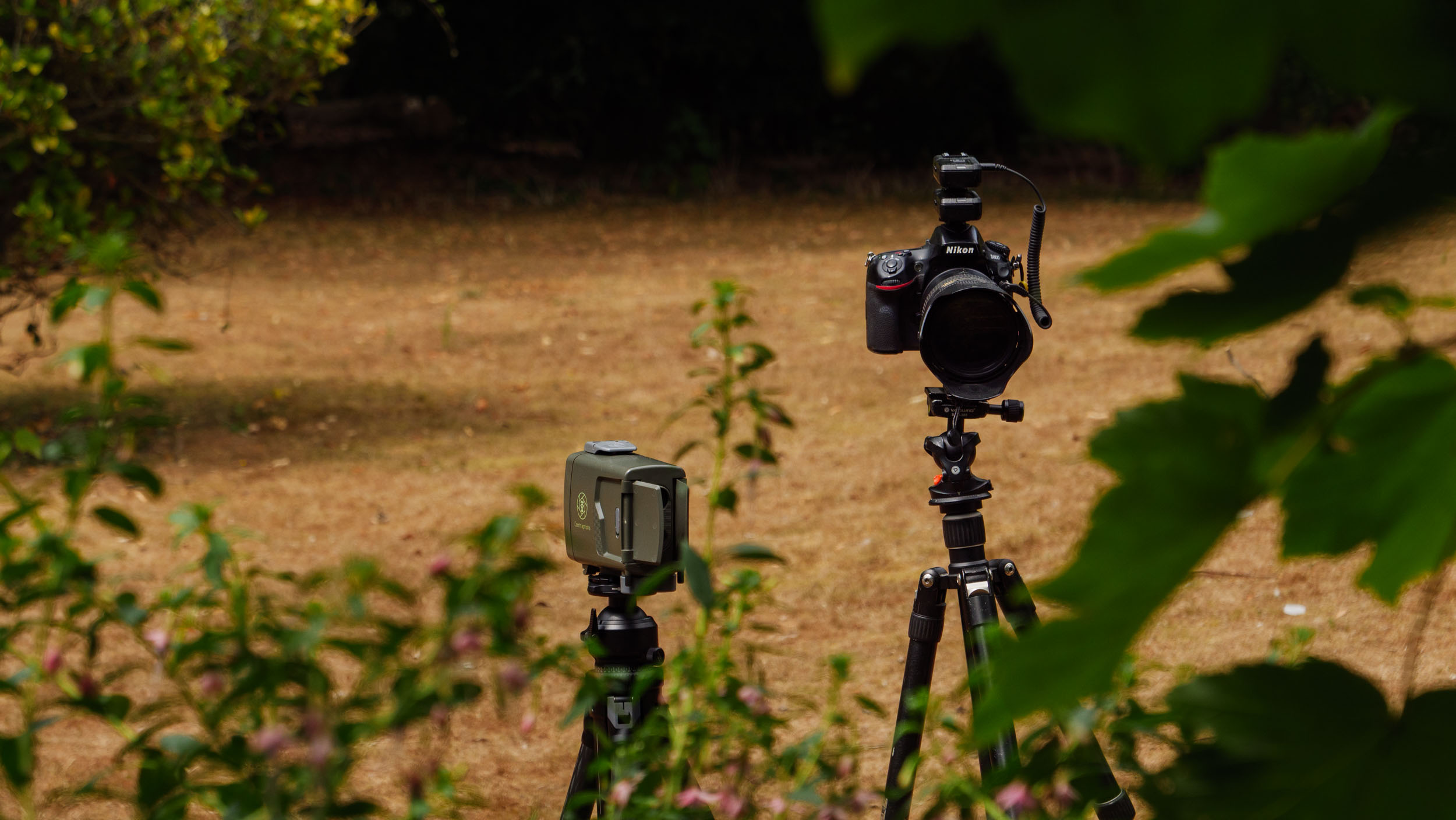
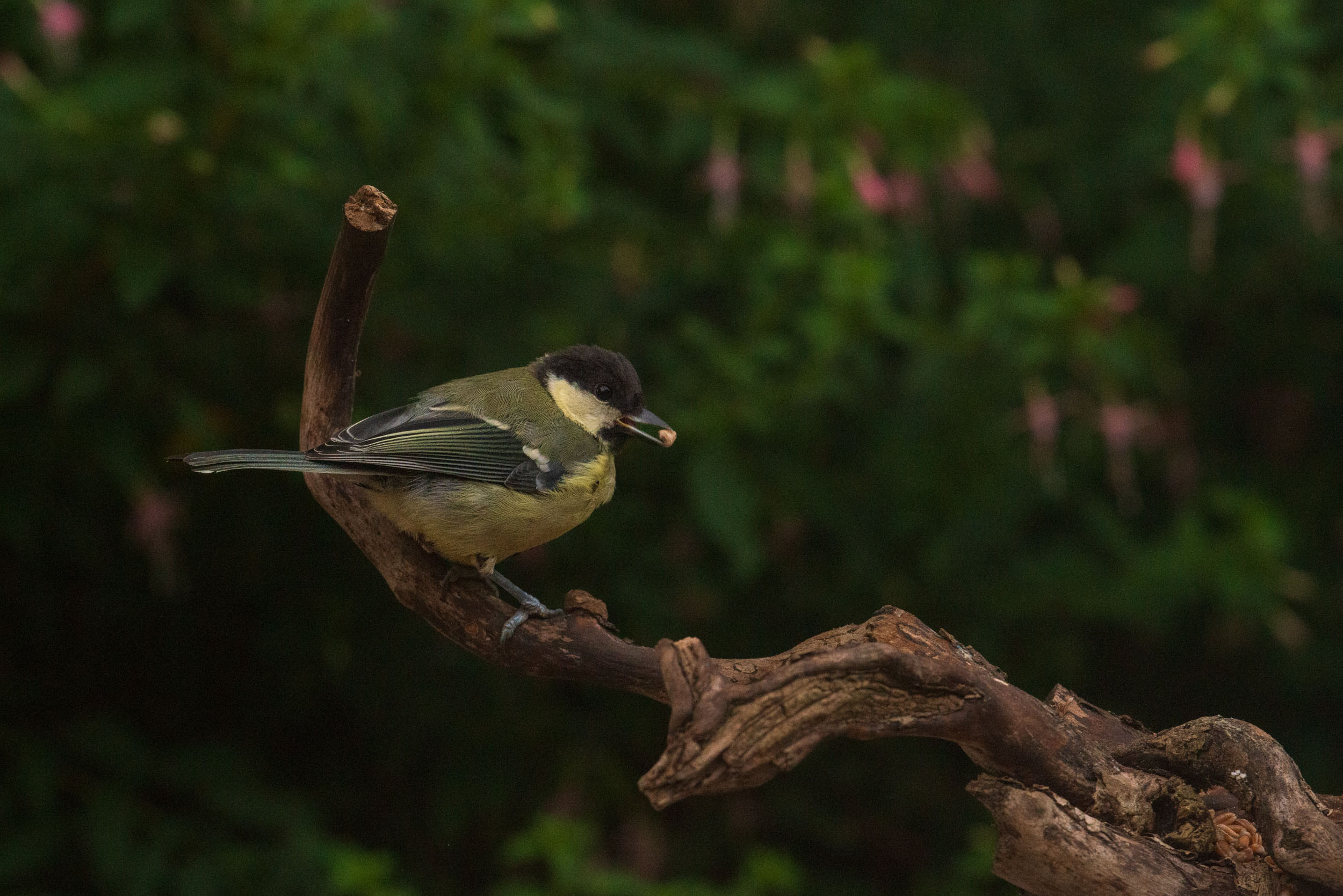
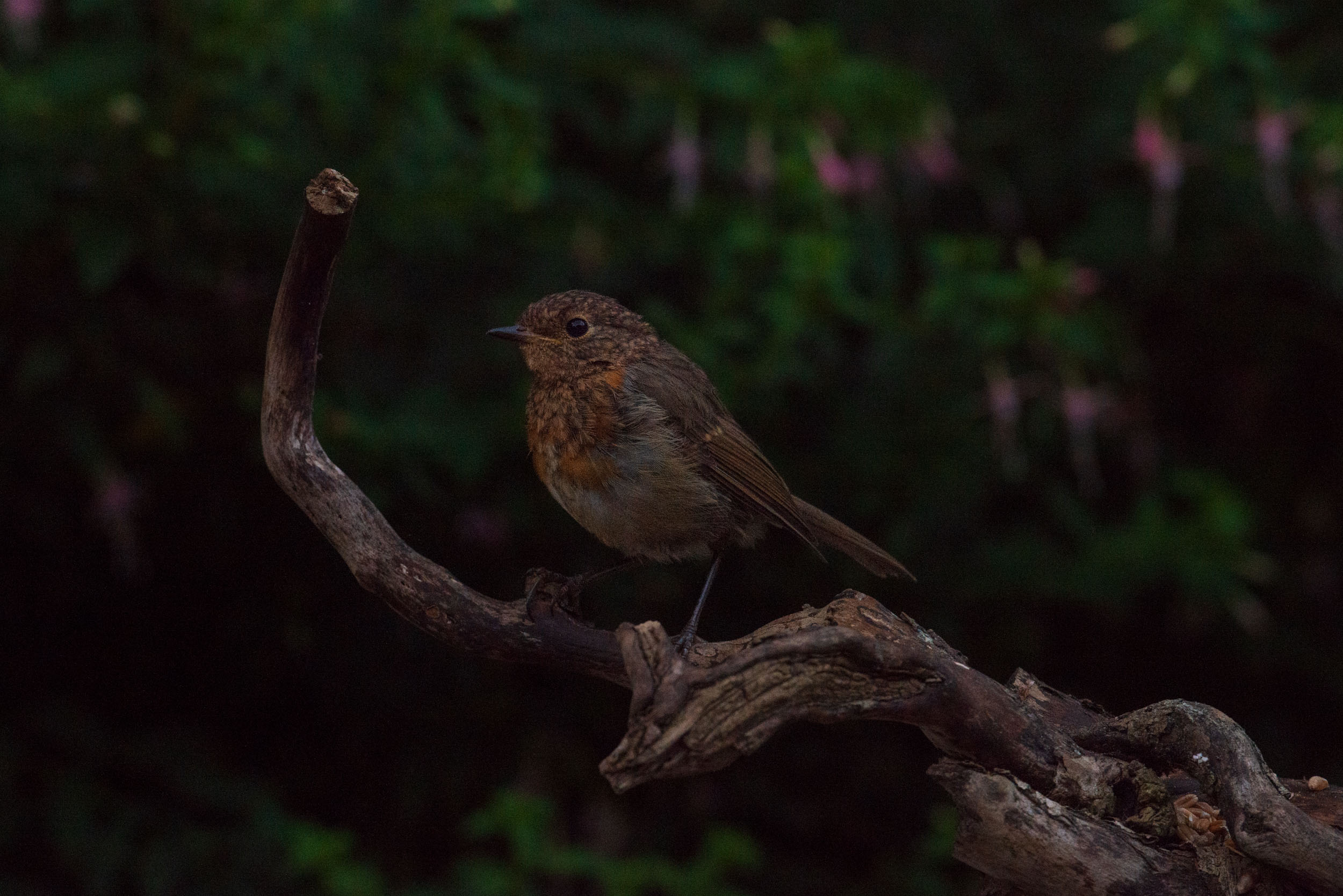
I started out with the simplest setup of all; my tripod-mounted Nikon DSLR with 70-200mm f/2.8 lens and the Camtraption device on another tripod. They were a few feet apart, both pointing at an old branch I had collected, which was baited with bird seed.
Because birds are fast moving creatures, I selected a 1/500sec shutter speed, f/9 aperture for sufficient depth of field with the full-frame sensor and 200mm focal length, and auto ISO with a maximum ISO 3200 sensitivity to cover daylight and dawn / dusk. I dialled in -0.7EV exposure compensation, and otherwise left the camera to calculate exposure with that -0.7EV latitude for keeping highlight detail on a bird’s bright plumage in sunkissed scenes — better to brighten an image later than suffer highlight clipping.
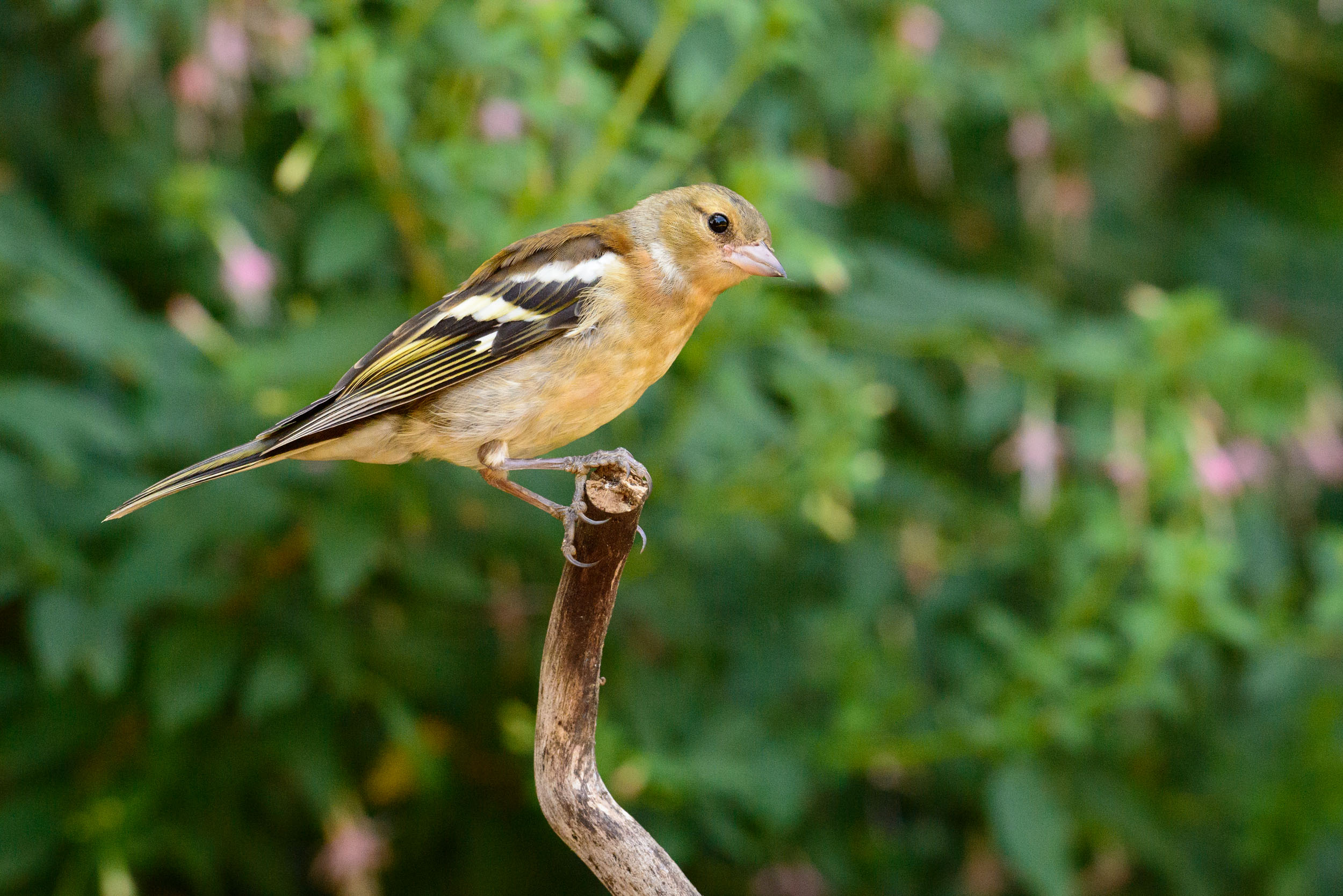
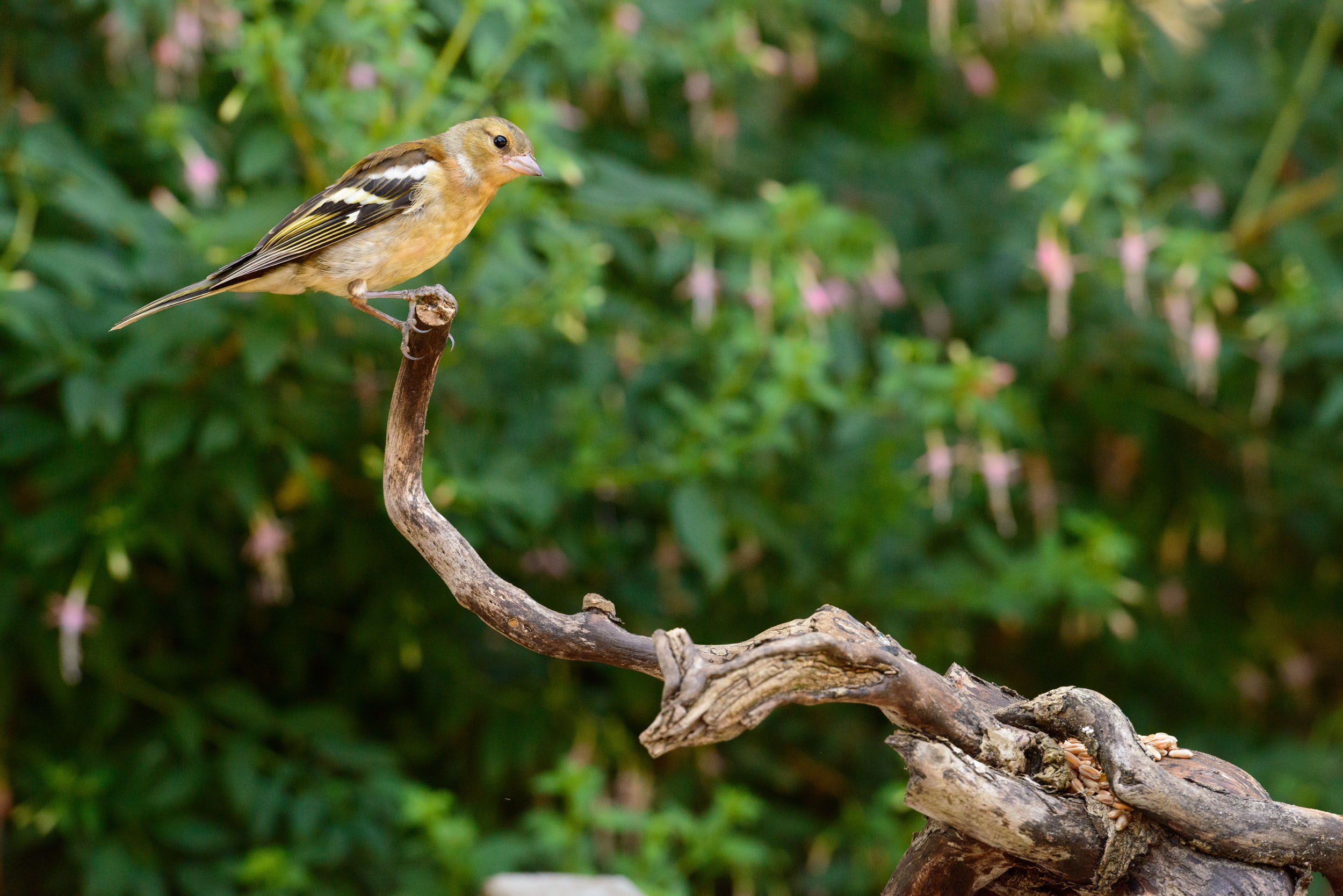
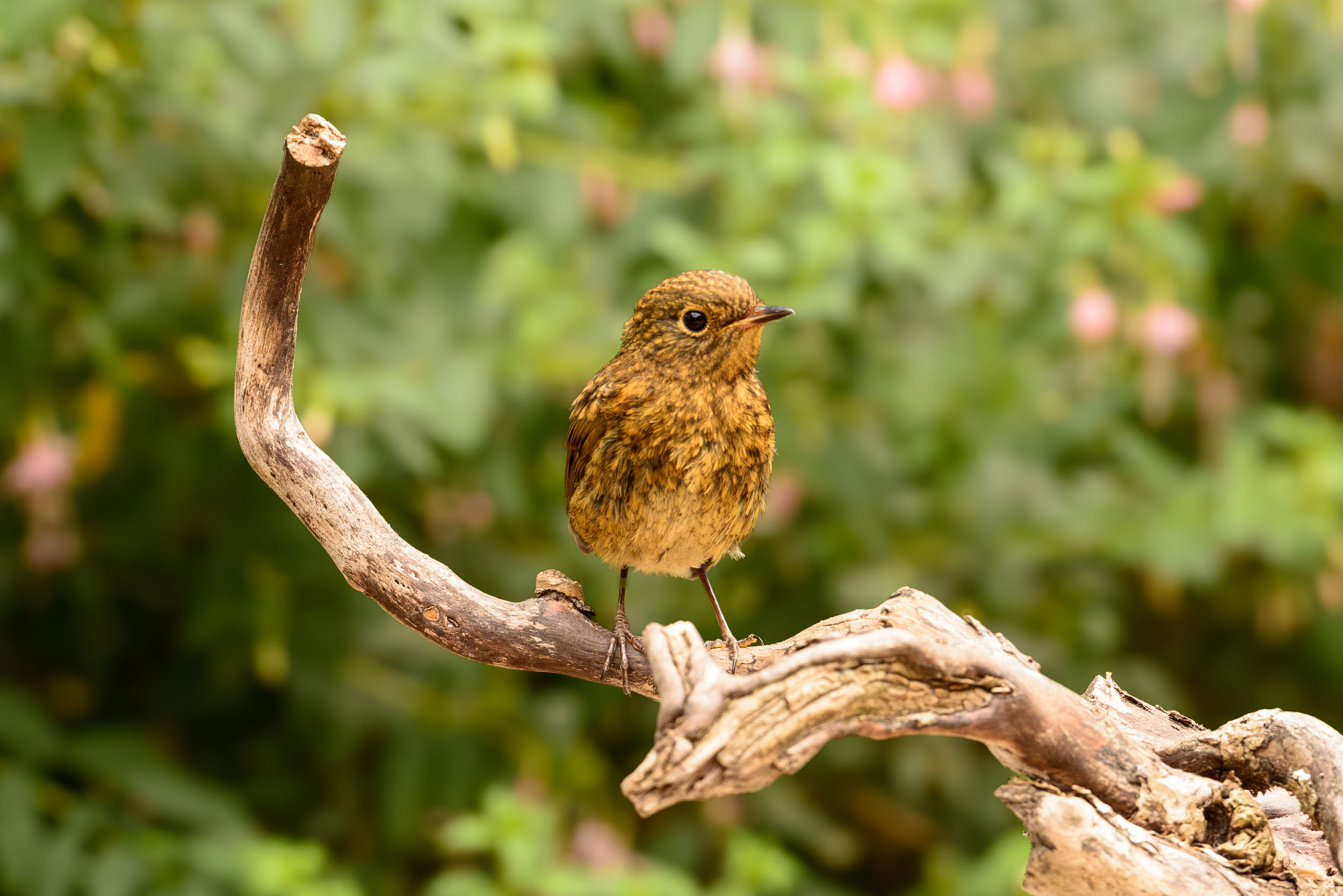
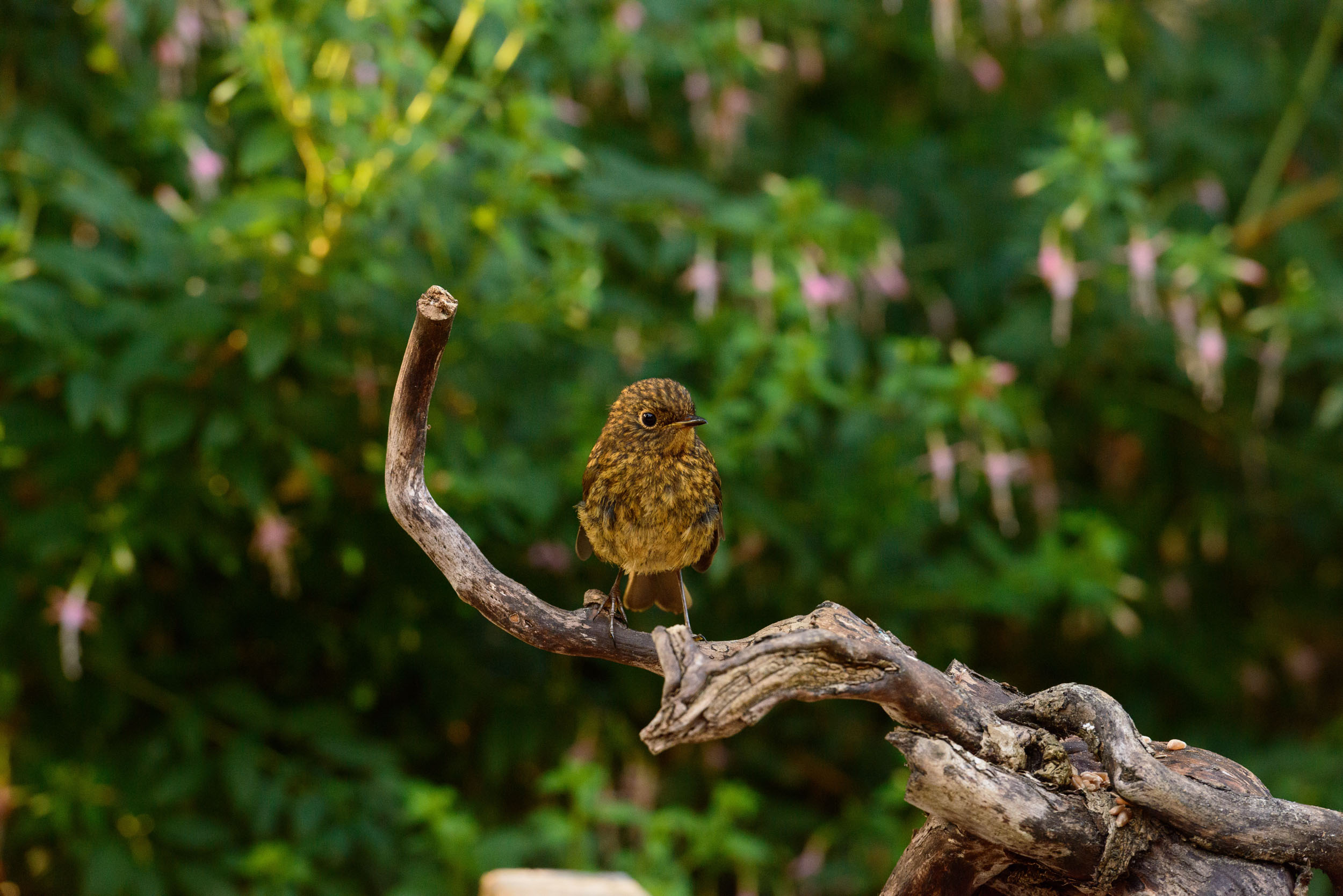
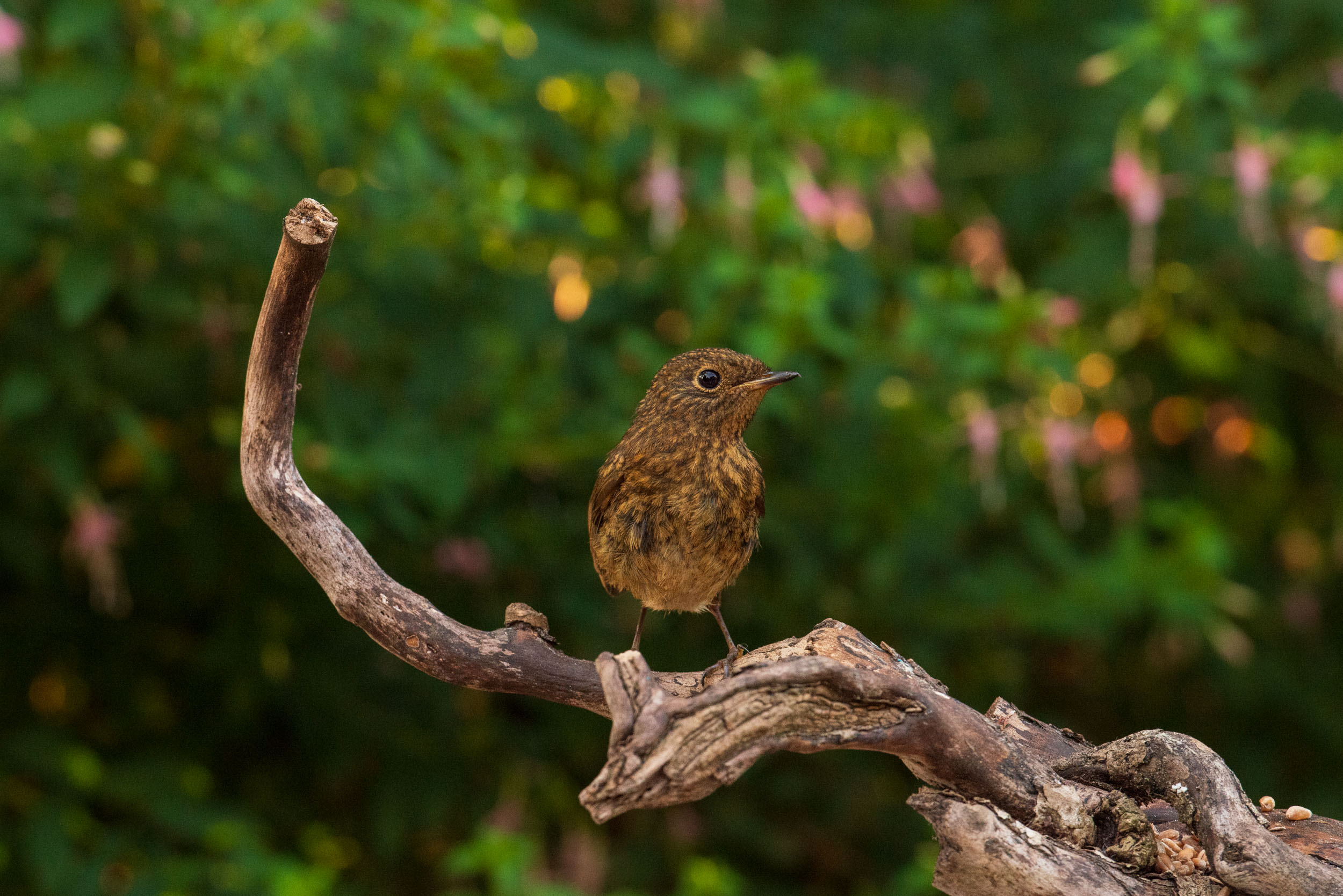
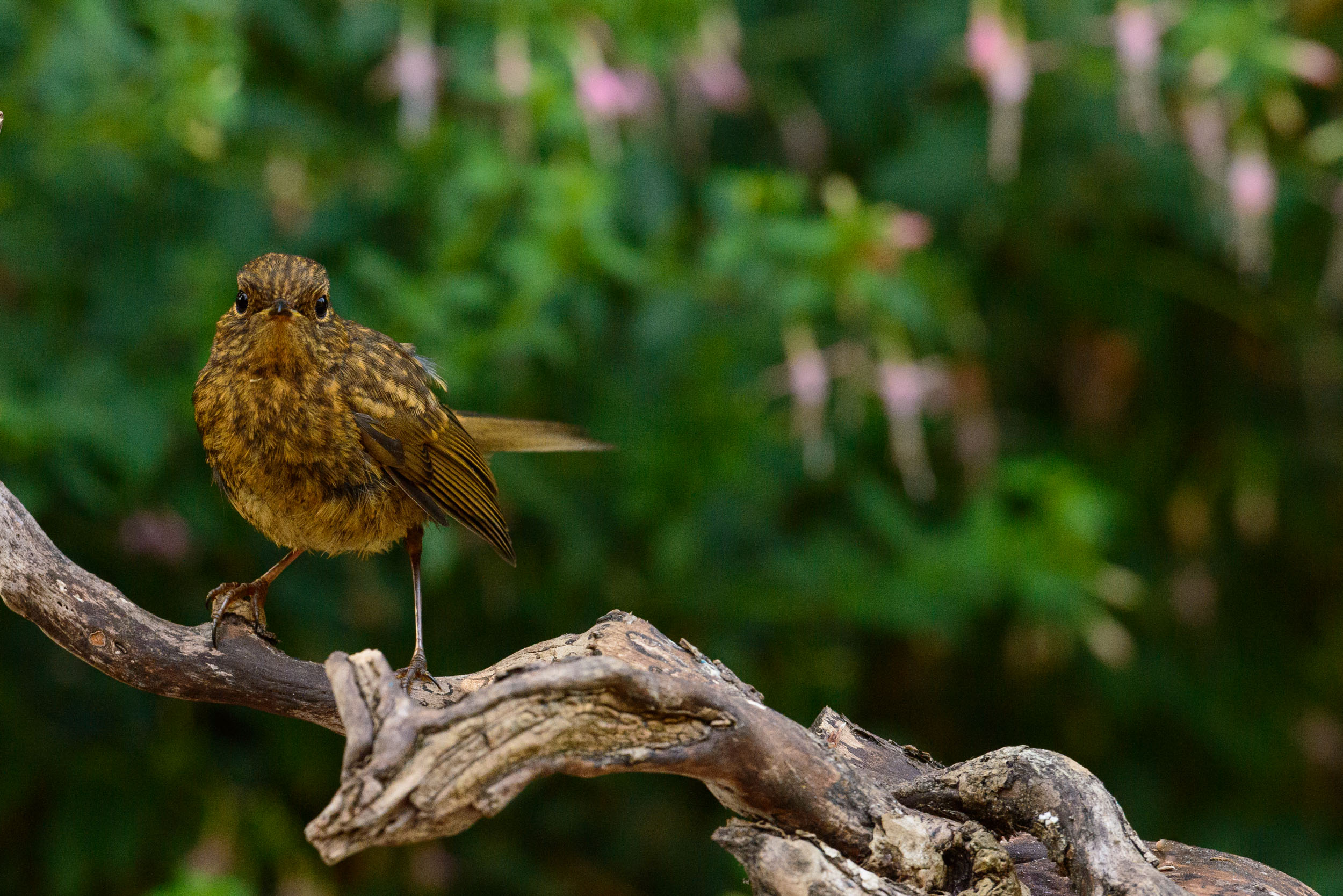
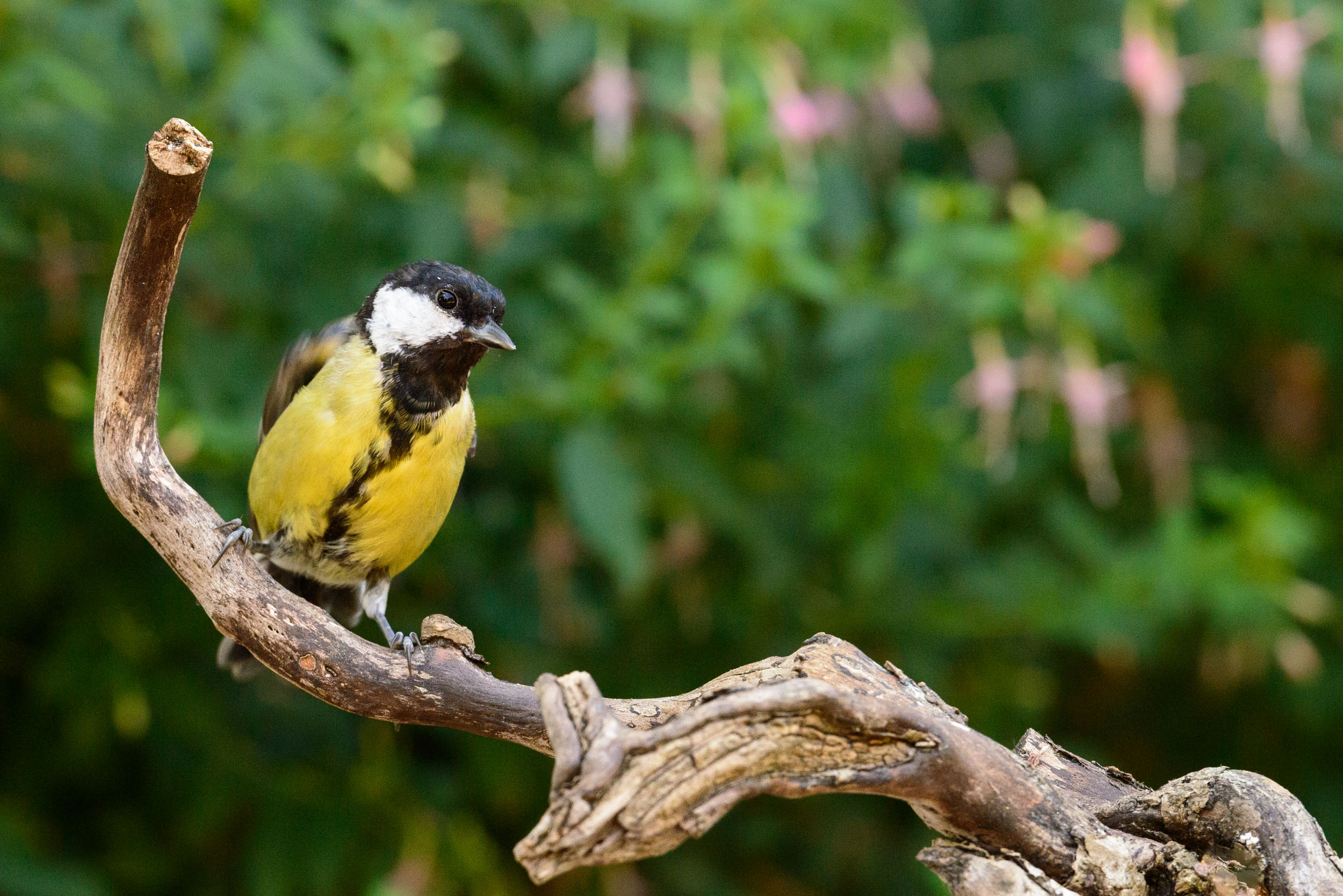
I placed the setup in a spot of my wild garden that I know is already popular with birds, and I kid you not, a few hours later, having carried on with my day job writing camera articles like this, I returned to the camera to find dozens and dozens of perfectly composed shots of the common birds that frequent my garden — I’ve added some of my favorites, below, including some moodier shots at dusk.
Besides setting up the scene and the gear, I had no involvement, and came away with multiple keepers. This was too easy, so I gave myself a trickier challenge; nighttime garden wildlife.
My second experiment — nighttime with flash
Deer, foxes and badgers visit my rural garden from time to time, especially in the quiet and nighttime hours. My Birdfy Bird Bath Pro inadvertently recorded a deer munching on a bush in the background at first light one morning, while I recently saw a badger scuttle across my driveway as I pulled in late at night. However, I’ve never got even close to photographing these creatures.
The first challenge was one pretty much out of my control; knowing where to place the camera and Camtraptions gear. That’s because there were no signs of regularly trodden trails, gaps in foliage or dug up routes underneath fencing where I could be confident of capturing the action. No, I had to hedge my bets, and our garden is wild and fairly open.
I opted for visualizing and composing the shot I wanted — a narrow opening between bamboo, where I hoped that wildlife would walk through — and added a little incentive of the culinary persuasion (badgers love peanut butter).
Next challenge was a technical one; lighting. Setting up the gear for the twilight and evening hours outside of bright daylight meant I needed to rely on flash. Flashguns can be purchased at the Camtraptions site, along with the compatible wireless receivers. (Camtraptions wireless receivers and transmitters effectively work in the same way as regular flash triggers from other brands, and are competitively priced.)
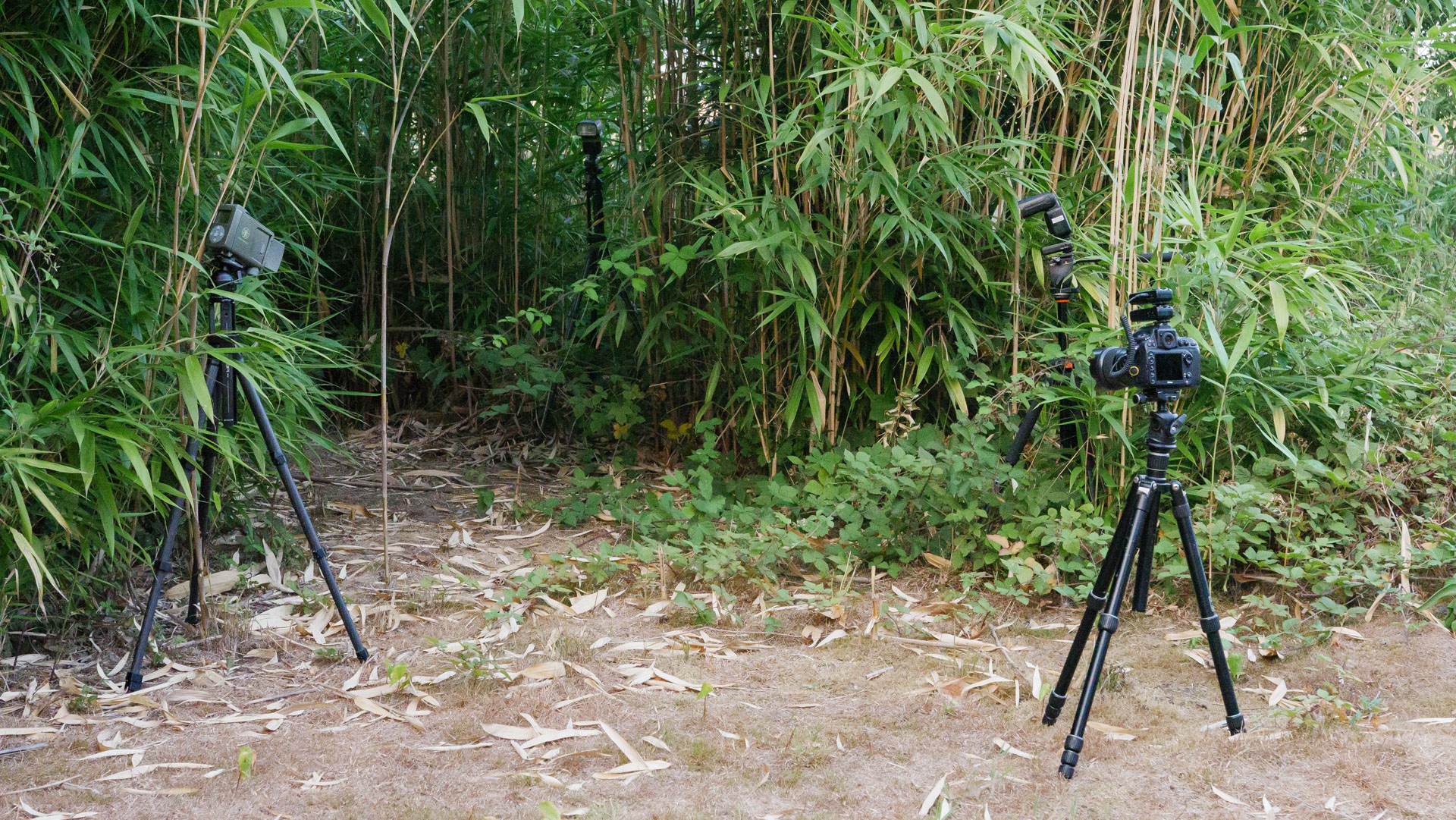
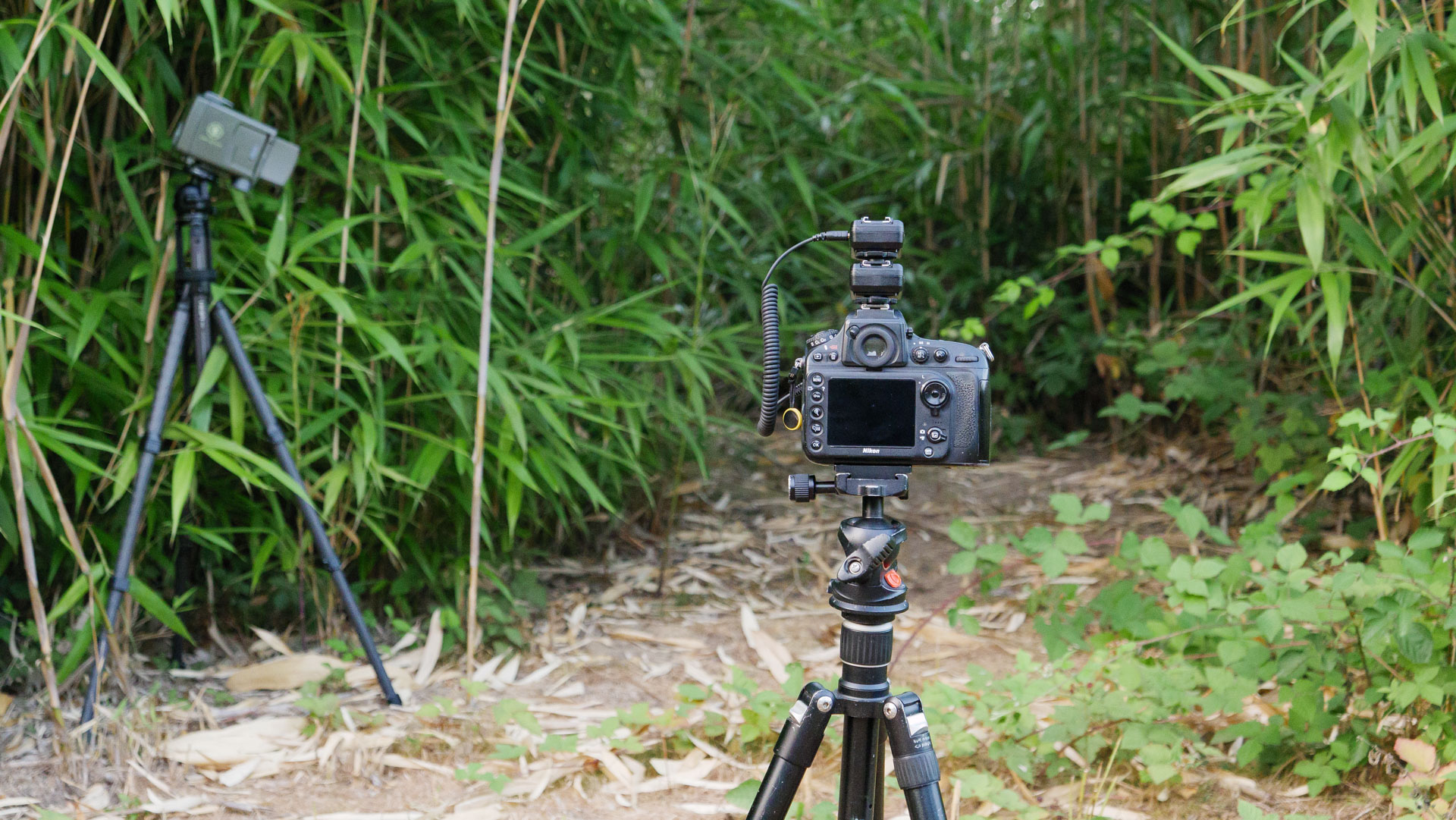
So, this nighttime version was more complex than my previous setup, adding two tripod-mounted flashguns each fitted with remote receivers, plus a remote transmitter to the camera which is already fitted with a receiver to accept the signal from the Camptraptions device. It’s a chain of command: Camptraptions camera trap sensor transmits to camera which transmits to flash guns.
That’s a lot of batteries, by the way, and I needed to splash out for additional ones before I could get started. Each wireless receiver / transmitter required 2x AAA batteries, the flashguns 4x AA batteries each, while the Camtraptions camera trap sensor took 6x AA batteries in a custom FZ casing (but which is compatible with various Sony FZ batteries). In total, I had 22 rechargeable batteries on the go.
Exposure is slightly more complicated, too. I set the camera to 1/200sec — the top speed I could use for synchronizing flash and camera, and the minimum I would want to freeze the action fully — the aperture to f/10, and ISO to Auto with a maximum ISO 3200 given the age of my camera and it’s relative poor low light performance. If trying this type of setup out for yourself, do check your own camera’s max flash sync speed.
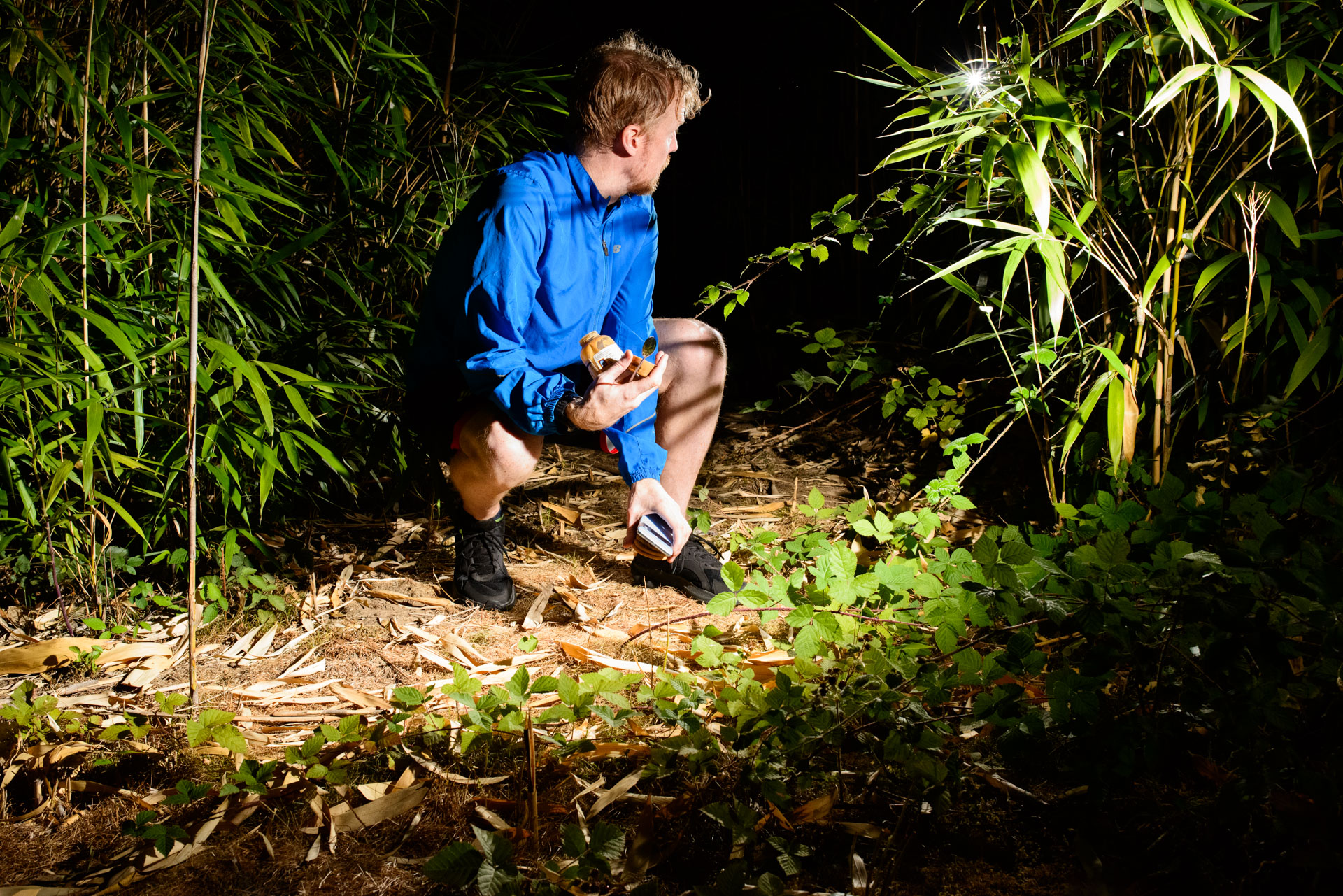
Then in situ in the garden, I took the time to photograph a test subject (me) to ensure the flash power and camera exposure settings were nicely matched for punchy results with a little bit of background detail, as opposed to a fully black background. In this case, the ideal setting was a manual 1/32 strength for the front flash, and 1/64 strength for the rear flash.
I used a wider angle lens than my prior test — a 35mm f/1.4 optic — given I was hoping to photograph larger creatures, and I wanted a closeup wide-angle look that I’ve rarely achieved, rather than a distant telephoto position. I tweaked composition and so on and lined up the Camtraptions device with its doors narrowed in order to trigger the camera once a creature had walked into a specific part of the frame.
That’s the beauty with remote trigger photography — you spend your efforts composing a beautiful shot by visualizing it ahead of time, helped by the Camtraptions camera trap sensor’s fine-tuned range. The hard work is put in before, rather than reacting to a moment. Sure, I’d rather the rush of seeing an animal first hand and that feeling of pressing the shutter, but this new technique didn’t feel so different — the rush comes later when you revisit the camera to see what you’ve photographed.
I eagerly returned to the camera after night one, hit the playback button and…a handful of wild rabbit photos appeared. Although I didn’t manage to photograph any of the larger mammals that I had hoped for, the technical quality was there — good lighting and rich detail (see below).
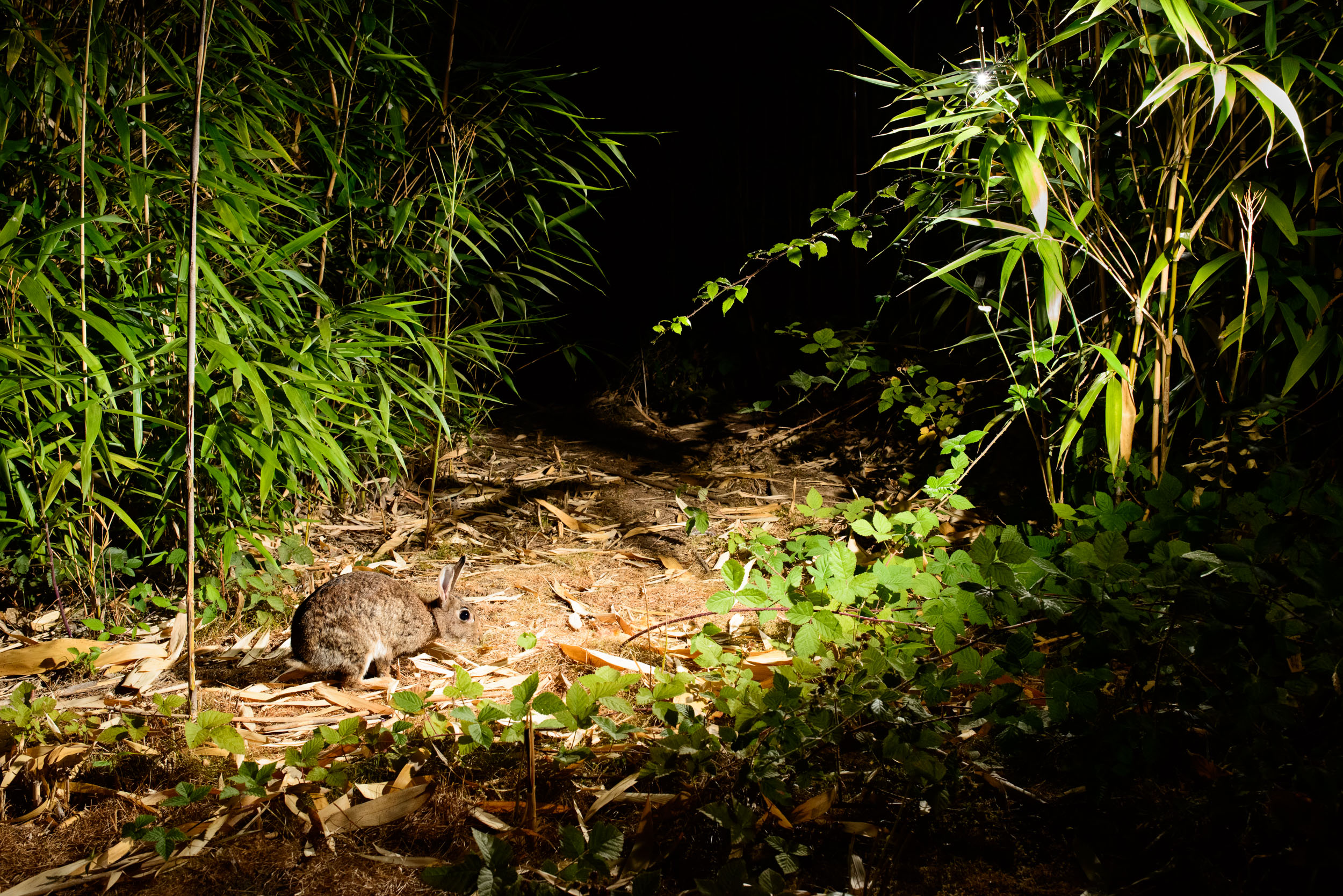
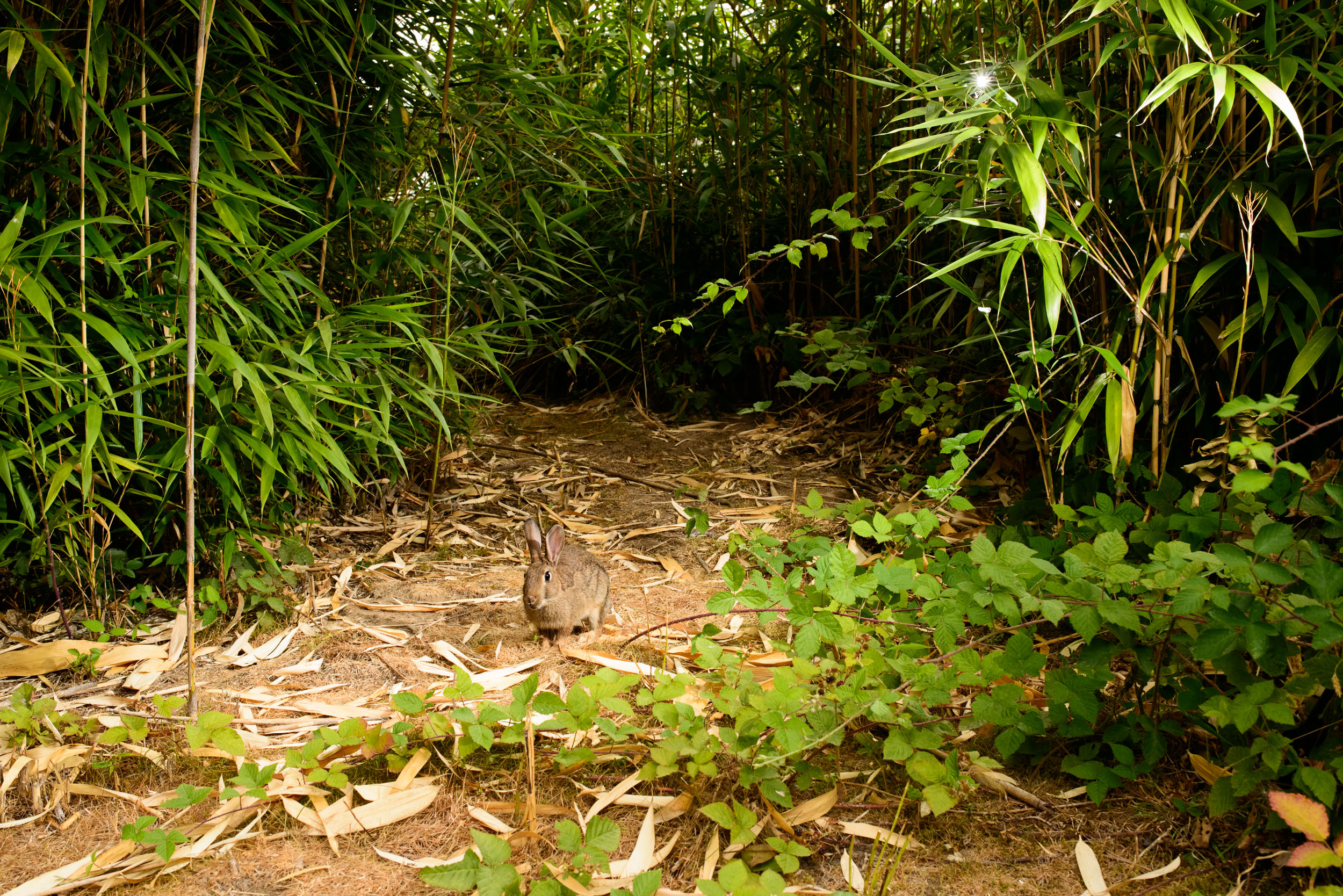
That’s not bad for my first night with an automated camera setup, and of course I tried again, especially since I could leave the camera gear in situ — it was no extra effort on my part.
I rechecked the battery life of the camera, flashguns and Camptraptions device (which were still full), walked into the Camtraption’s infrared scan area to check all the devices were still communicating, and sure enough the camera fired off some shots with both flash guns, so all good on that front, and then left the devices for another night.
More rabbits. Not that I’m complaining. I was going to need patience, but when you have an automated setup like this, time is on your side. And at that rate, I estimated that battery life on the devices would be good for around a month.
I fiddled about with some bamboo cuttings to disguise the camera gear a little better, and with no rain forecast for the following couple of weeks I left the devices be. Of course, for wet weather I would need to protect the gear from the elements, even with rudimentary solutions such as clear plastic bags and cable ties (through which the flashguns would still work fine).
I haven’t got the photo I hoped for yet, but I’m confident that I will. And if anything else, I’ve breathed new life into my old Nikon DSLR gear. The quality of the photos I already have is streets above a regular trail cam, and the basic costs of the setup is pretty reasonable. I might have just found my next photography obsession.
We’d love to hear from you

Become a TechRadar Insider by simply clicking ‘Join Now’ at the top of this page. Have a question? Please email membership@techradar.com
Burrard-Lucas’ Camptraptions gear combined with DSLR camera gear and all the necessary supports and power sources is pretty pricey compared to a regular cheap trail cam, but you’re getting reliable gear and professional results fit for a portfolio and, with the right environment and subject, potentially even contest worthy. In that respect, I think it’s excellent value.
On that note, I’d love to hear from you — have you had any joy photographing garden wildlife photography? How did you get the pictures that you’re happy with? You can share your experiences in the comments section.