The European Central Bank (ECB) is redesigning its euro banknotes and the public is playing a key role in deciding how the new bills will look.
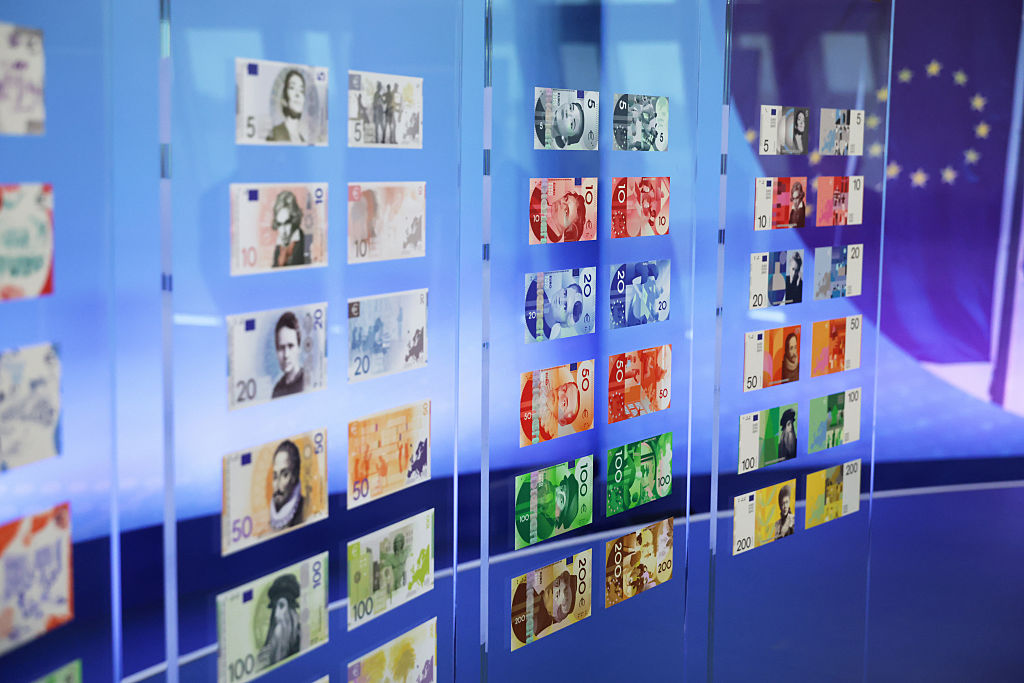
Two core redesign proposals are being considered—with each offering a different interpretation of its theme across the €5, €10, €20, €50, €100, and €200 bills.
One redesign package focuses on European culture, with banknotes set to feature faces of prominent talents, including American-born singer Maria Callas. The other is centered on nature, featuring imagery of rivers and birds.
Europeans have been invited to give their views on the final selection through an online survey which closes Sept. 21. The results will be considered by the Governing Council of the ECB, along with independent jury conclusions and a technical review, before the final design is selected toward the end of 2026.
The new banknotes would then undergo testing before entering circulation, while remaining interchangeable with the current series of euro notes.
According to the ECB, the redesign aims to better reflect Europe’s identity and values, introduce enhanced security features, improve environmental sustainability, and make the banknotes more accessible and easier to use.
As it’s the first major redesign of the euro banknotes since the currency notes were introduced in 2002, the stakes are high.
“Talk to friends, colleagues, family members, and ask them to participate, because we want as many Europeans as possible to express their views about our future banknotes,” said ECB president Christine Lagarde.
As for the choices at hand, the rivers and birds series highlights wildlife found across Europe. The designs spotlight species including the wallcreeper, kingfisher, bee-eater, white stork, avocet, and northern gannet against a range of serene landscapes.
Meanwhile, there are some very recognizable faces of people credited with shaping the continent’s cultural identity in the European culture redesign package.
German symphonist Ludwig van Beethoven, considered one of the greatest composers of the 18th and 19th centuries; Polish-French scientist Marie Curie, known for discovering radium and polonium; Spanish author Miguel de Cervantes, who wrote Don Quixote; Italian polymath Leonardo da Vinci, famed for painting the Mona Lisa; and Austrian novelist and peace activist Bertha von Suttner, the first woman to receive the Nobel Peace Prize.
American-born Greek soprano Maria Callas has also been included, and is set to appear on the new €5 banknote, should the cultural package be selected.
What to know about Maria Callas
While the other figures featured in the proposed designs were born in Europe, Callas was born in New York in December 1923 to Greek parents.
Often hailed as one of the greatest sopranos of the 20th century, she moved to Athens with her mother as a teenager.
Callas was a pupil of the celebrated Spanish soprano Elvira de Hidalgo at the Athens Conservatory. Her own career went on to span decades across many of the world’s leading opera houses.
In 1951 she made her official debut at La Scala in Milan, performing Verdi’s I Vespri Siciliani. From there, she appeared on some of the world’s most prestigious stages, including the Royal Opera House in London, the Metropolitan Opera in New York, and the Paris Opera.
The English National Opera describes her as being “able to deliver a wide range of vocal colours depending on the mood or type of music she was singing.”
According to her biography at the Maria Callas Museum in Athens, Callas “is widely recognized as the foremost Opera icon of the 20th century, renowned for her unmatched interpretations and techniques.”
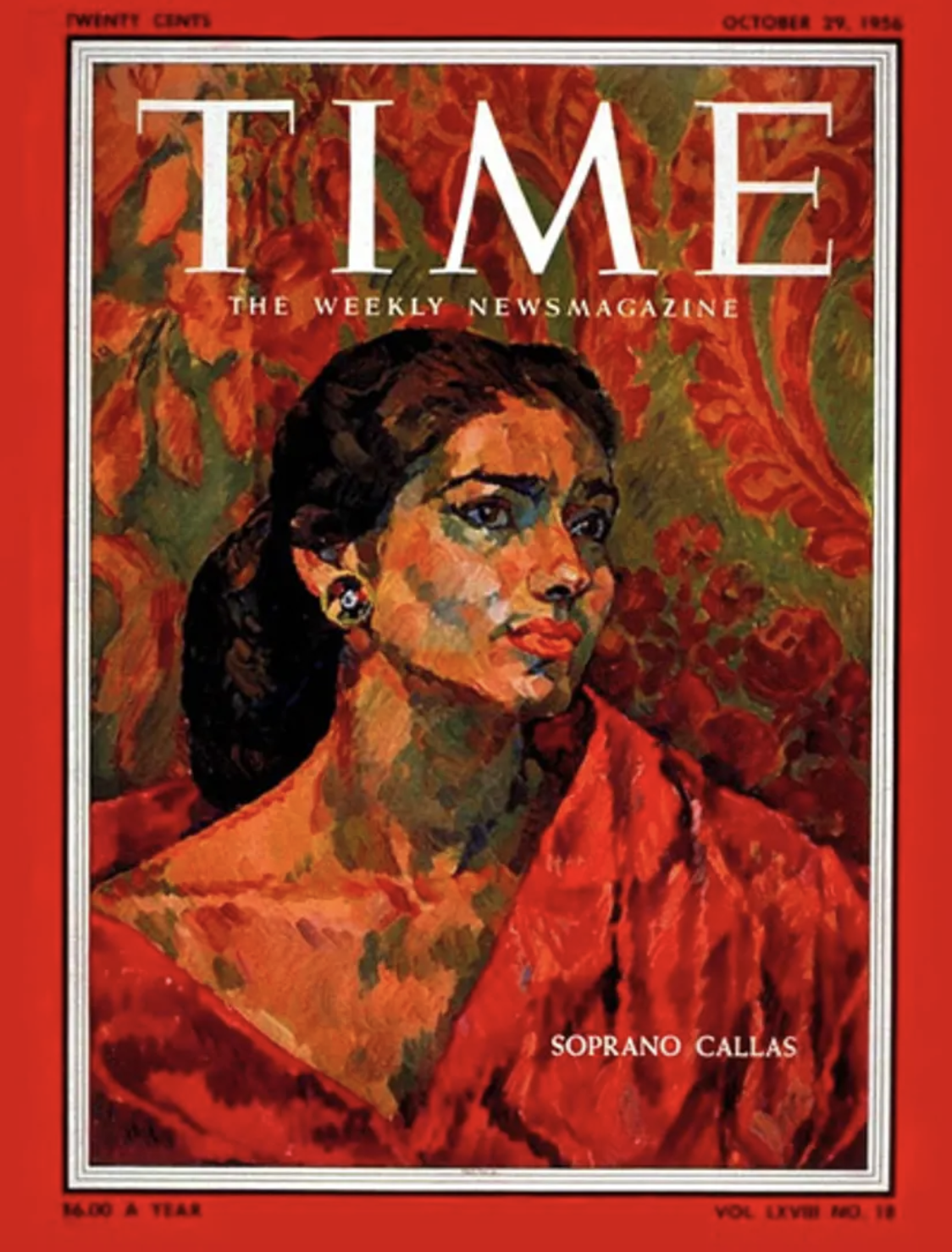
When TIME put Callas on the cover of the Oct. 29, 1956, issue, the magazine dubbed her “the undisputed queen of the world’s opera.”
Callas made her final major recital appearance in Sapporo, Japan in 1974, and withdrew from public life to live in Paris, where she died of a heart attack in 1977, at the age of 53.
Across the world, Callas’ legacy continues to be recognized.
Greece’s Ministry of Culture successfully organized for the centenary of her birth to be included in UNESCO’s 2023 anniversary commemorations.
In 2024, Angelina Jolie portrayed the opera singer in the Netflix biopic Maria.