A few weeks back, this site (and indeed this reporter) excitedly covered the news that Severance was back, baby. A cryptic tweet from showrunner Ben Stiller indicated that third-season shooting had begun, in the first bit of good news for fans since the brilliant second season ended on March 20 last year.
But is the show really back? The problem is that shooting and post-production take a lot of time. Even if everything goes perfectly to plan, we’re looking at a third-season launch in fall 2027 at the absolute earliest, more than two and a half years after the second one arrived. For comparison, the first five seasons of The Sopranos were released across a span of 1,883 days; at that point, we’ll still be months short of Stiller’s team releasing their third, and with fewer episodes per season (13 each for The Sopranos vs 9 and 10, respectively, for the first two seasons of Severance). And even a show as superb as Severance simply isn’t worth that kind of wait.
The joy of TV is its connectedness, the way it allows you to follow a story across multiple instalments as the narrative builds and breathes. Your experience of one episode informs your response to the next. Your memories of earlier seasons make the events in later seasons matter.
Think about the bombshells that landed in later seasons of Game of Thrones (eight seasons across nine calendar years), and how much less we would care about those characters and their fates if we hadn’t lived through dozens of previous episodes alongside them. Think about the montage sequence at the end of The Wire (five seasons across seven years) and how much its emotional force depends on everything that’s come before. And then think about how difficult it was to even remember what was going on when you sat down to watch Severance season 2 more than a thousand days after the first season finished.
There were reasons for that gap. The Covid pandemic, which had delayed the first season, was still a factor while filming the second. There were also actors’ and writers’ strikes to contend with. On top of that, the show wasn’t officially renewed for a second season until a couple of days before the first finished airing, so perhaps the team wasn’t sure where they stood or ready to get started right away. It was never going to be an easy job turning around another season for the following year. But surely the third season ought to have been less of a challenge, given the absence of Covid and the show’s obvious status as an Apple flagship.
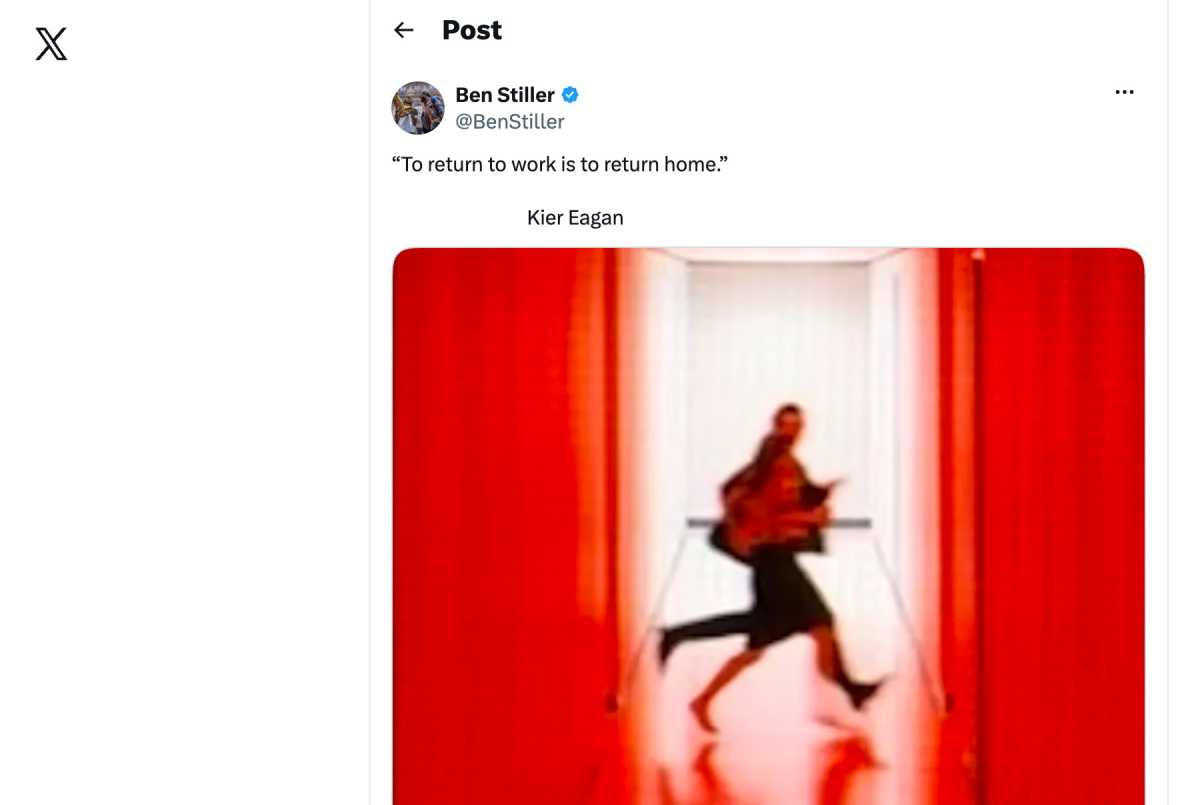
Ben Stiller / X
It might seem unfair to compare Severance, a streaming hit of the 2020s, with the prestige cable dramas of the 2000s and 2010s. So let’s focus on other Apple properties.
Pluribus dropped its brilliant first season in November 2025 and was promptly renewed for a second, but essentially nothing has been heard since. When questioned this month, creator Vince Gilligan sighed heavily and said it was going to be a long time. Late 2027 seems optimistic; 2028 may be more realistic. Dark Matter wrapped up its first season on June 26, 2024, and is returning for its second season on August 28. The Morning Show, one of the only original Apple TV+ shows, is on an almost perfect two-year cadence. Even sitcom Ted Lasso, which wrapped up season 3 on May 31, 2023, only just kicked off its fourth season a couple of weeks ago.
In the case of Pluribus, as Gilligan explained, the show is a challenge from both a narrative and a logistical point of view. That’s almost certainly true of Dark Matter. And Ted Lasso wrapped up its original story in season 3, so a longer delay is understandable. But taking your time isn’t free. It costs something, particularly when you’re part of the zeitgeist. Pluribus was embedded in the culture, and the culture has moved on. Memes have a short memory.
Now consider Slow Horses, whose return for a sixth season was officially announced this month. That show is almost the polar opposite of Severance, having achieved a phenomenal rate of more than one season per year. And this pays off. The characters remain in the viewer’s mind between seasons–and when one returns, as in the new trailer, it can be played as a shocking reveal. You don’t need a lengthy recap when referring to the twists and turns of previous seasons. I don’t think the writing of Slow Horses is anywhere near as complex as that of Severance, but the show as a whole works better because it maintains a solid release rate.
Ben Stiller, if he stumbled across this article, would probably retort that the superior qualities of his show are a direct result of taking more time over each season (and that Slow Horses has the advantage of adapting a series of books). I couldn’t entirely disagree with that, although there’s plenty of evidence to show you can make a classic TV show within time constraints and without direct source material. Look at ER, which made one season a year, like clockwork, for 15 years. Look at its spiritual successor, The Pitt, which has happily dropped into the same pattern. It can be done without compromising on quality.
Granted, there is something very appealing about saying to creators, “Please, take your time, and make it as close to perfect as you possibly can. There’s no rush.” I absolutely get the beauty of that idea. But the reality is that at some level, beyond a certain point, there is always a rush: If you wait too long, even the most loyal of viewers will forget and move on. Apple TV deserves better than that.