Apple’s 2026 iPhone lineup is broader than ever, ranging from the relatively affordable iPhone 17e to the high-end iPhone 18 Pro and Pro Max, plus the ultra-thin iPhone Air and the new folding iPhone Duo. That gives buyers more choice, but it also makes picking the right model more complicated than simply choosing the newest or most expensive iPhone.
For most people, the iPhone 17 is the best all-round choice, thanks to its 6.3-inch ProMotion display, strong battery life, dual 48MP cameras and 256GB of storage as standard. The iPhone 17e is the better option if price matters most, while the iPhone 18 Pro is the model to choose for the best cameras and performance. The iPhone 18 Pro Max adds the longest battery life, the iPhone Air prioritises thinness and low weight, and the iPhone Duo offers Apple’s biggest and most flexible display.
Which iPhone is best for you will therefore depend on what you value most. Camera enthusiasts should look closely at the Pro models, heavy users may prefer the Pro Max for its battery life, while parents, older users and anyone trying to keep costs down may find the 17e a much better fit. There can also be excellent value in buying a discounted or refurbished older iPhone rather than paying full price for the latest hardware.
This guide focuses on the best iPhone to buy for different types of user and budget. If you want to dig deeper into the differences between every model, see our complete iPhone Buying Guide, where we compare the cameras, displays, performance, storage, battery life and other key specifications across Apple’s current lineup.
Which iPhone to buy: At a glance
| If you want… | Then buy… |
|---|---|
| Best camera | iPhone 18 Pro |
| Best battery | iPhone 18 Pro Max |
| Biggest screen | iPhone Duo |
| Best all-rounder | iPhone 17 |
| Best value | iPhone 17e |
| Lightest | iPhone Air |
| Cheapest | Refurbished iPhone (iPhone 16 or newer) |
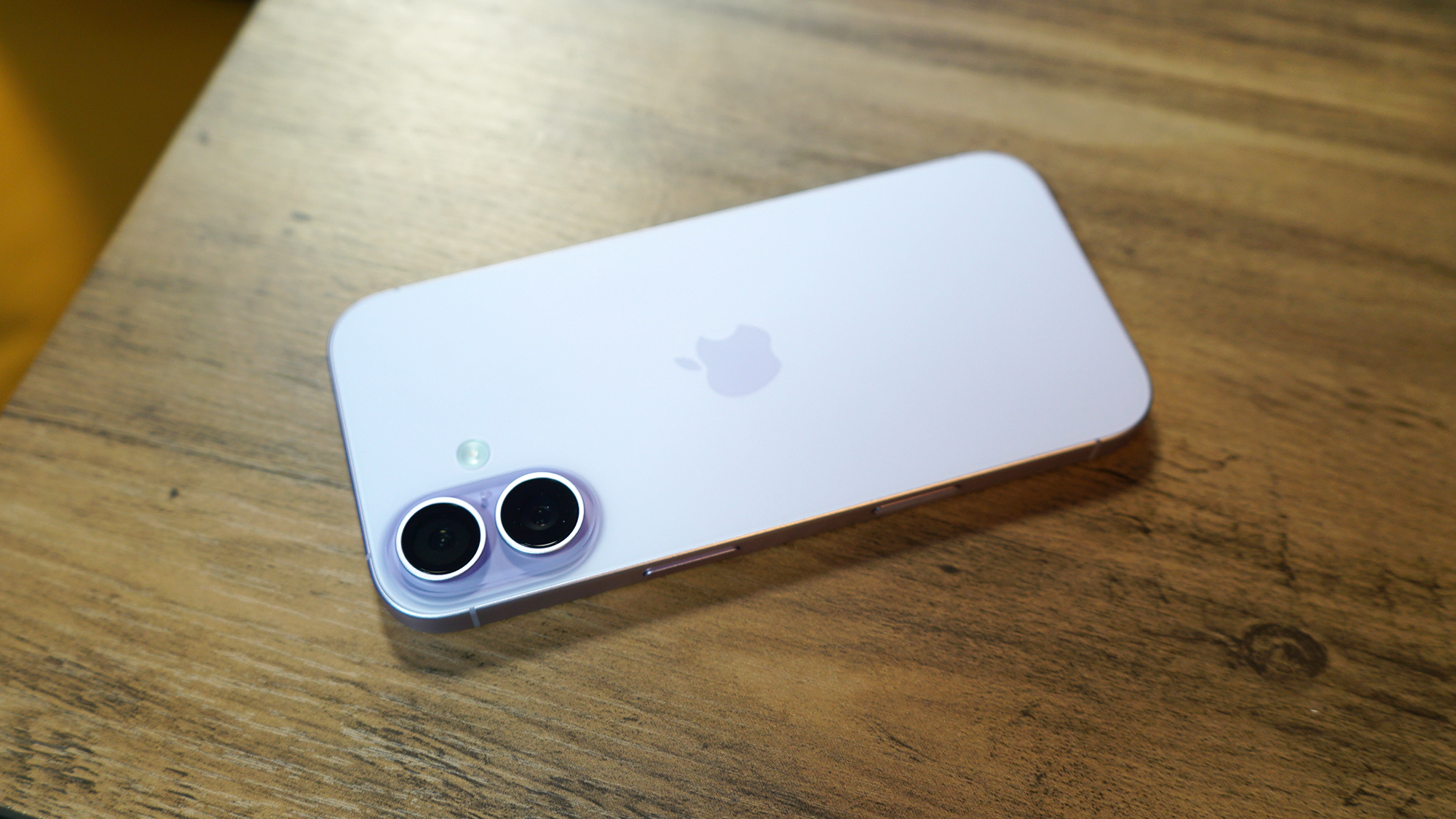
1. Apple iPhone 17 – Best iPhone for most people
Pros
- Excellent overall value
- ProMotion Always-On display
- Dual 48MP cameras
Cons
- No dedicated telephoto
- Limited to 512GB
Best Prices Today:

Why we recommend it
The iPhone 17 brings several features previously reserved for Pro models to Apple’s mainstream iPhone, including a 120Hz ProMotion display and Always-On support. It also offers the fast A19 chip, dual 48MP cameras, an improved Centre Stage selfie camera, strong battery life and 256GB of storage as standard. For most buyers, it strikes the best balance between price and features.
Buy iPhone 17 if
Buy the iPhone 17 if you want the best all-round iPhone without paying Pro prices. Its 6.3-inch ProMotion display, excellent cameras, strong battery life and 256GB starting storage make it particularly appealing to anyone upgrading from an iPhone 14 or older.
Don’t buy iPhone 17 if
Don’t buy it if you want optical zoom beyond 2x or Apple’s most advanced camera features—in that case, choose the iPhone 18 Pro. The iPhone Air is a better choice if thinness and low weight are your priorities, while existing iPhone 16 owners may find the upgrade relatively modest unless ProMotion and improved battery life are particularly important.
What do you get that you don’t get with the iPhone 17e?
For the extra $200, the iPhone 17 gives you a larger 6.3-inch ProMotion Always-On display, Dynamic Island, a second 48MP Ultra Wide camera with macro photography, a brighter screen, stronger graphics performance, a better 18MP Centre Stage selfie camera and longer battery life. For most people who can afford the difference, it’s money well spent.
What do you get that you don’t get with the iPhone 16?
For $100 more, you get double the base storage at 256GB, a larger 6.3-inch ProMotion Always-On display, an upgraded 48MP Ultra Wide camera, an improved 18MP Centre Stage selfie camera, longer battery life, faster charging and the newer A19 processor. At full price, the iPhone 17 is the better buy.
Key specs
The iPhone 17 combines a 6.3-inch ProMotion display, Always-On support and the A19 chip with dual 48MP rear cameras and 256GB of storage as standard. It offers many of the features most people actually want from a Pro iPhone without the Pro price.
- Starts at: $799 / £799 (256GB)
- Display: 6.3-inch OLED ProMotion (120Hz)
- Chip: A19
- Storage: 256GB–512GB
- Cameras: 48MP Main + 48MP Ultra Wide, 18MP front camera
- Battery: Up to 30 hours of video playback
Should you buy or wait?
Buy now. The iPhone 17 offers excellent value, while the iPhone 18 isn’t expected until spring 2027 and may bring higher prices rather than transformative upgrades. Waiting for Prime Day or Black Friday could make sense if you’re looking for a discount.
Read our full
Apple iPhone 17 review
2. Apple iPhone 18 Pro – Best for photography
Pros
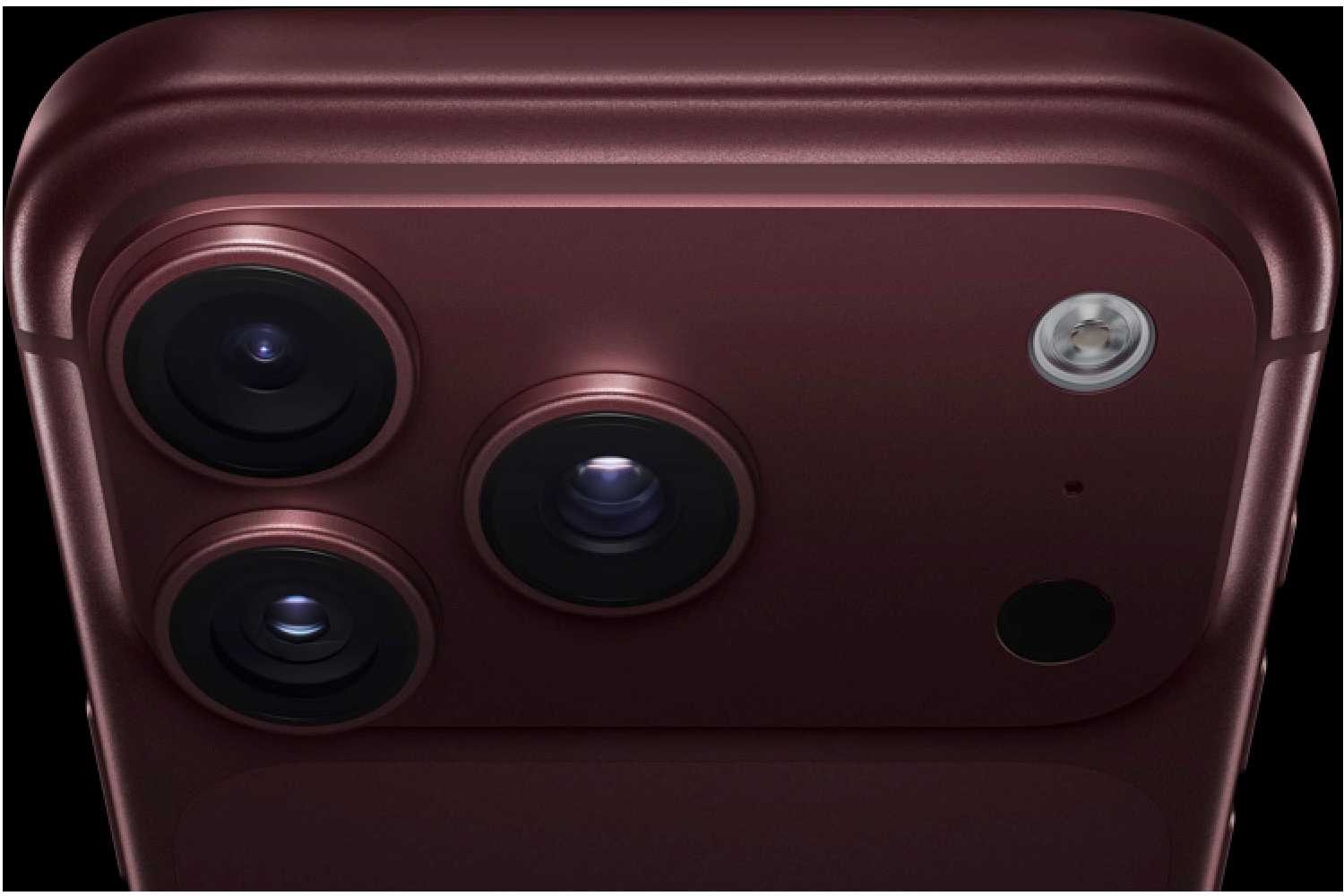
- Excellent triple-camera system
- Powerful A20 Pro chip
- Strong battery life
Cons
- Expensive starting price
- Overkill for most buyers
Best Prices Today:
Why we recommend it
The iPhone 18 Pro is the model to buy if you want Apple’s best cameras and performance without stepping up to the much larger Pro Max or experimental folding iPhone Duo. Its variable-aperture camera is a meaningful upgrade for photographers, while the A20 Pro chip, improved cooling, longer battery life and faster charging make it particularly capable for gaming, video and demanding AI workloads. Crucially, it gets the same cameras and processor as the Pro Max, making it the better-value Pro model for most buyers.
Buy iPhone 18 Pro if
Buy the iPhone 18 Pro if you want Apple’s best camera system; need more performance than the standard iPhone offers; regularly play demanding games or use intensive creative or AI apps; or want excellent battery life without carrying the enormous Pro Max. It’s a compelling upgrade for anyone with an iPhone 15 Pro or older.
Don’t buy iPhone 18 Pro if
Most people don’t need the iPhone 18 Pro. The standard iPhone 17 already offers an excellent 6.3-inch 120Hz ProMotion display, A19 chip, dual 48MP cameras, 256GB of storage and strong battery life for considerably less. And if your main priority is screen size and endurance, the Pro Max is the better choice.
What do you get that you don’t get with the iPhone 17?
The biggest advantage is the camera system. The iPhone 18 Pro adds a 48MP Telephoto camera with 4x and 8x optical-quality zoom, plus a variable-aperture 48MP Main camera for improved low-light shooting and greater creative control. You also get the faster A20 Pro chip with a seven-core GPU and improved vapor-chamber cooling for better sustained performance during gaming, video editing and AI tasks.
Key specs
The iPhone 18 Pro combines Apple’s new 2nm A20 Pro processor with a sophisticated triple-48MP camera system, including a variable-aperture Main camera and 4x/8x Telephoto. It retains a manageable 6.3-inch ProMotion display while improving sustained performance, battery life and charging speeds.
- Starts at: $1,199 / £1,199 (256GB)
- Display: 6.3-inch OLED ProMotion (120Hz)
- Chip: A20 Pro, 6-core CPU, 7-core GPU
- Storage: 256GB–2TB
- Cameras: 48MP variable-aperture Main + 48MP Ultra Wide + 48MP Telephoto (4x/8x), 18MP front camera
- Battery: Up to 36 hours of video playback
Should you buy or wait?
The iPhone 18 Pro goes on sale September 18, with pre-orders starting September 12, so there’s little reason to wait if you want one immediately. Bargain hunters may prefer to hold off until Amazon’s Prime Day sale or Black Friday on November 27, when retailers and mobile networks may offer trade-in bonuses, contract incentives or modest discounts. Large outright savings are unlikely so soon after launch.
3. Apple 18 iPhone Pro Max – Best for battery life
Pros
- Outstanding battery life
- Huge 6.9-inch display
- Excellent Pro cameras
Cons
- Very large and heavy
- Expensive starting price
Best Prices Today:
Why we recommend it
The iPhone 18 Pro Max is Apple’s ultimate conventional iPhone, combining a huge 6.9-inch ProMotion display with the powerful A20 Pro chip, Apple’s best camera system and the longest battery life in the range. Its biggest advantage over the regular Pro is endurance, with Apple rating it for up to 45 hours of video playback.
Buy the iPhone 18 Pro Max if
Buy the iPhone 18 Pro Max if you want the biggest possible display and longest battery life, regularly use your phone for photography, video, gaming or other demanding tasks, and don’t mind carrying a large and relatively heavy device. It’s particularly well suited to frequent travellers and heavy users who want to minimise charging.
Don’t buy iPhone 18 Pro Max if
Don’t buy it if you prefer a smaller, lighter phone or simply want the Pro cameras and performance. The iPhone 18 Pro offers essentially the same A20 Pro chip, camera system and Pro features in a more manageable 6.3-inch design for $100/£100 less. At 249g, the Pro Max is also particularly heavy.
What do you get that you don’t get with the iPhone 18 Pro?
Not much in terms of features. Both models have the same A20 Pro processor, triple-48MP camera system, variable-aperture Main camera and storage options up to 2TB. The Pro Max instead gives you a larger 6.9-inch display rather than 6.3 inches and substantially better battery life: up to 45 hours of video playback versus 36 hours on the iPhone 18 Pro. You pay an extra $100/£100 for those advantages.
Key specs
The iPhone 18 Pro Max combines Apple’s huge 6.9-inch ProMotion display with the new 2nm A20 Pro chip, three 48MP rear cameras and a variable-aperture Main camera. Its defining advantage is battery life, reaching up to 45 hours of video playback.
- Starts at: $1,299 / £1,299 (256GB)
- Display: 6.9-inch Super Retina XDR OLED ProMotion (120Hz)
- Chip: A20 Pro, 6-core CPU, 7-core GPU
- Storage: 256GB–2TB
- Cameras: 48MP variable-aperture Main + 48MP Ultra Wide + 48MP Telephoto, 18MP front camera
- Battery: Up to 45 hours of video playback
Should you buy or wait?
The iPhone 18 Pro Max goes on sale September 18, with pre-orders starting September 12. Buy at launch if you want it immediately, but bargain hunters may prefer to wait for Amazon’s Prime Day sales or Black Friday on November 27. Major outright discounts are unlikely so soon after launch, although trade-in offers and contract incentives could be worthwhile.
4. Apple iPhone Duo – Best foldable iPhone
Pros
- Innovative folding displayExcellent multitasking potentialStrong A20 Pro performance
Cons
- Extremely expensive
- Weaker camera versatility
Best Prices Today:
Why we recommend it
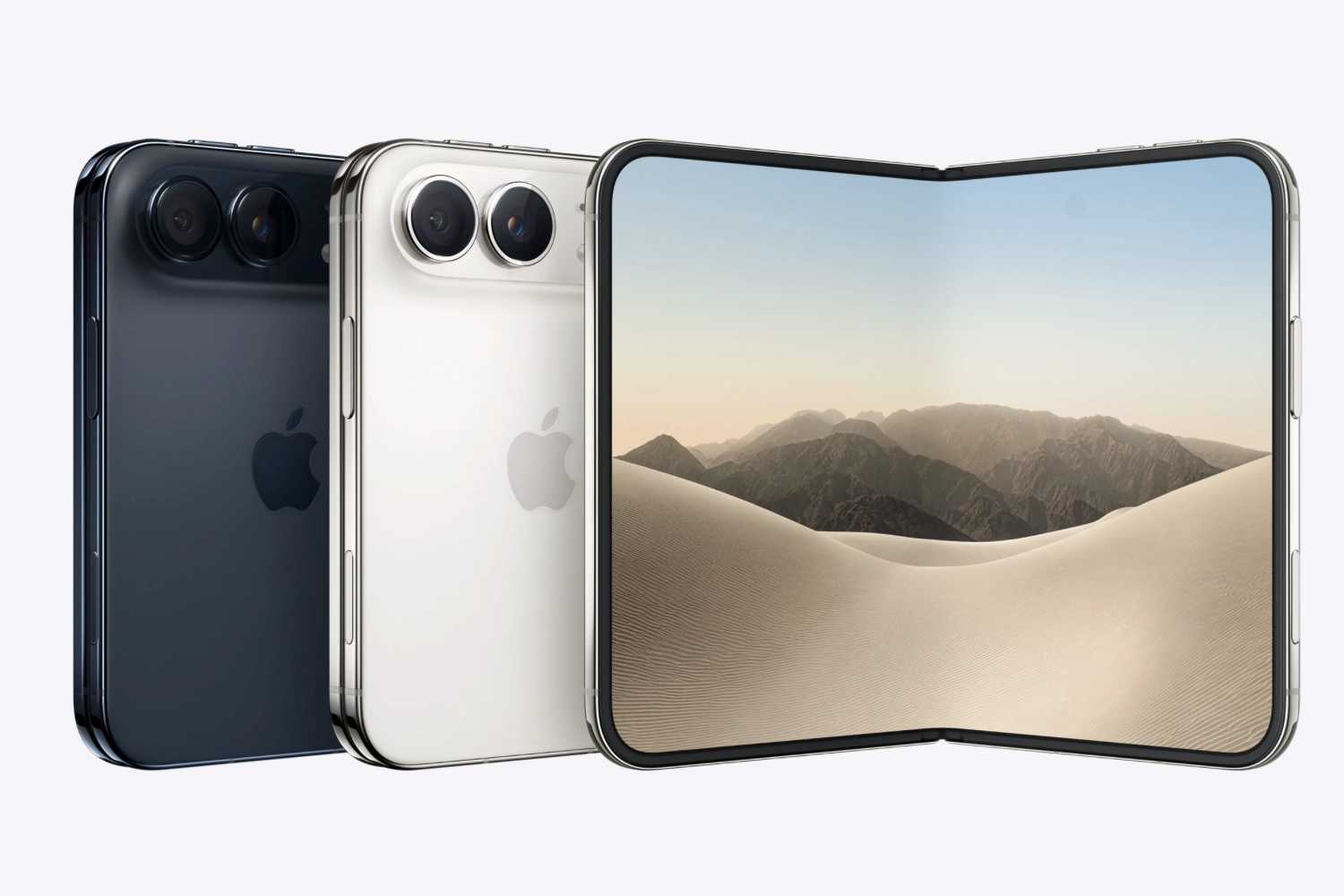
The iPhone Duo offers something no other iPhone can: a compact phone that unfolds into a 7.6-inch tablet-like device. The larger display gives you considerably more room for multitasking, watching video, reading, gaming and creative work, while the outer screen keeps it usable as a conventional phone when closed. Add the A20 Pro chip and clever dual-screen features and it’s easily Apple’s most innovative iPhone.
Buy iPhone Duo if
Buy the iPhone Duo if you want the versatility of an iPhone and small tablet in one device, regularly multitask between apps, consume lots of content on your phone, or simply want Apple’s most distinctive new hardware. It’s particularly compelling if you value screen space and flexibility more than having Apple’s absolute best camera system.
Don’t buy iPhone Duo if
Don’t buy the Duo if value, photography or portability are your priorities. At $1,999/£1,999 it costs $800/£800 more than the iPhone 18 Pro, while lacking Face ID, a dedicated telephoto camera, variable aperture, ProRes and the Action button. At 254g it is also the heaviest iPhone in the range. For most buyers, the iPhone 18 Pro or Pro Max will be a better all-round purchase.
What do you get that you don’t get with the iPhone 18 Pro and iPhone 18 Pro Max?
The Duo’s defining advantage is its 7.6-inch folding display, which offers around 50 percent more screen area than the iPhone 18 Pro Max and supports Split View multitasking, while the 5.4-inch outer screen keeps it usable like a compact iPhone when closed. You also get fold-specific features such as Duo Preview, Smart Take, Kid Cue, hands-free video positioning and an under-display inner camera, with Apple Pencil USB-C support coming later in 2026. The trade-off is photography: the Duo has only two 48MP rear cameras, with no dedicated telephoto, variable aperture, ProRes or Apple Log.
Key specs
The iPhone Duo transforms from a compact 5.4-inch phone into a 7.6-inch folding device, providing substantially more room for apps, video and multitasking. It combines two 120Hz ProMotion OLED displays with the A20 Pro chip, dual 48MP cameras, strong battery life and storage up to 2TB.
- Starts at: $1,999 / £1,999 (256GB)
- Displays: 5.4-inch outer + 7.6-inch folding OLED, ProMotion (120Hz)
- Chip: A20 Pro
- Storage: 256GB–2TB
- Cameras: 48MP Main + 48MP Ultra Wide, 12MP outer front camera + under-display inner camera
- Battery: Up to 44 hours of video playback on outer display; 31 hours on inner display
- Authentication: Touch ID
- Weight: 254g
Should you buy or wait?
The iPhone Duo goes on sale October 23, with pre-orders opening October 16. Buy at launch if you want Apple’s first foldable as soon as possible. If price matters more than being first, waiting until Black Friday on November 27 could bring carrier incentives or trade-in deals, although significant outright discounts on such a new and specialised device are unlikely.
5. Apple iPhone 17e – Best budget iPhone
Pros
- Excellent budget value
- Strong A19 performance
- 256GB base storage
Cons
- No ProMotion display
- No Ultra Wide camera
Best Prices Today:
Why we recommend it
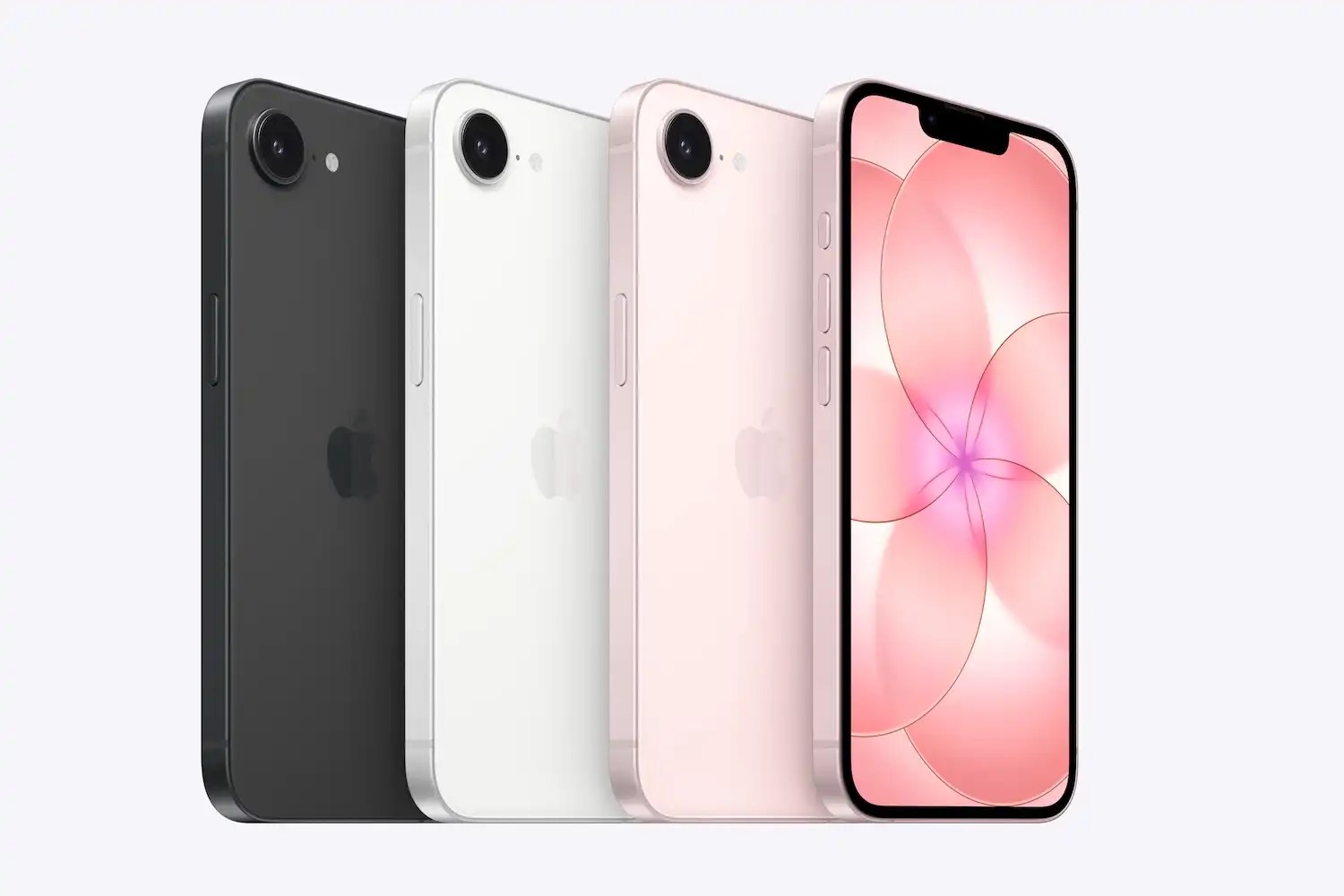
The iPhone 17e is Apple’s most affordable current iPhone, offering modern performance and Apple Intelligence without flagship pricing. It combines the A19 chip with useful upgrades including MagSafe and 256GB of base storage. If you don’t need multiple cameras or a high-refresh-rate display, it delivers the essentials at an attractive price.
Buy the iPhone 17e if
Buy the iPhone 17e if you want a modern iPhone with strong performance and years of software support for as little as possible. It’s particularly appealing to anyone upgrading from an iPhone 12 or 13, switching from Android or buying their first iPhone.
Don’t buy iPhone 17e if
Don’t buy it if you want ProMotion, an Always-On display, Dynamic Island or a versatile camera system. If your budget stretches another $200/£200, the iPhone 17 is a substantially more complete phone.
What do you get that you don’t get with the iPhone 16?
The iPhone 17e gives you the newer A19 chip, longer battery life, 256GB of storage as standard, Apple’s newer C1X modem and Ceramic Shield 2 protection. Its biggest advantage, however, is value: at similar real-world prices, it is generally the smarter long-term purchase.
What don’t you get that you get with the iPhone 17?
The iPhone 17 gives you a larger and significantly more advanced 6.3-inch 120Hz ProMotion display with Dynamic Island and Always-On support, plus a second 48MP Ultra Wide camera. You also get a better 18MP Centre Stage selfie camera, stronger graphics performance and longer battery life. The 17e covers the essentials extremely well, but the iPhone 17 feels much more complete.
Key specs
The iPhone 17e pairs the A19 chip with a 6.1-inch OLED display, 256GB of storage as standard and up to 26 hours of battery life, while omitting premium features such as Dynamic Island, ProMotion and an Ultra Wide camera.
- Starts at: $599 / £599 (256GB)
- Display: 6.1-inch Super Retina XDR OLED
- Chip: A19
- Storage: 256GB–512GB
- Cameras: 48MP Fusion Main with 2x optical-quality zoom + 12MP TrueDepth front camera
- Battery: Up to 26 hours of video playback
Should you buy or wait?
Buy now. The iPhone 17e offers excellent value and isn’t expected to be replaced until early 2027. Discounts could make it even more attractive, but there’s little reason to delay purely for the next generation.
Read our full
Apple iPhone 17e review
6. Apple iPhone Air – Best thin-and-light iPhone
Pros
- Exceptionally thin design
- Light and comfortable
- Powerful A19 Pro chip
Cons
- Single rear camera
- Relatively modest battery life
Best Prices Today:
Why we recommend it
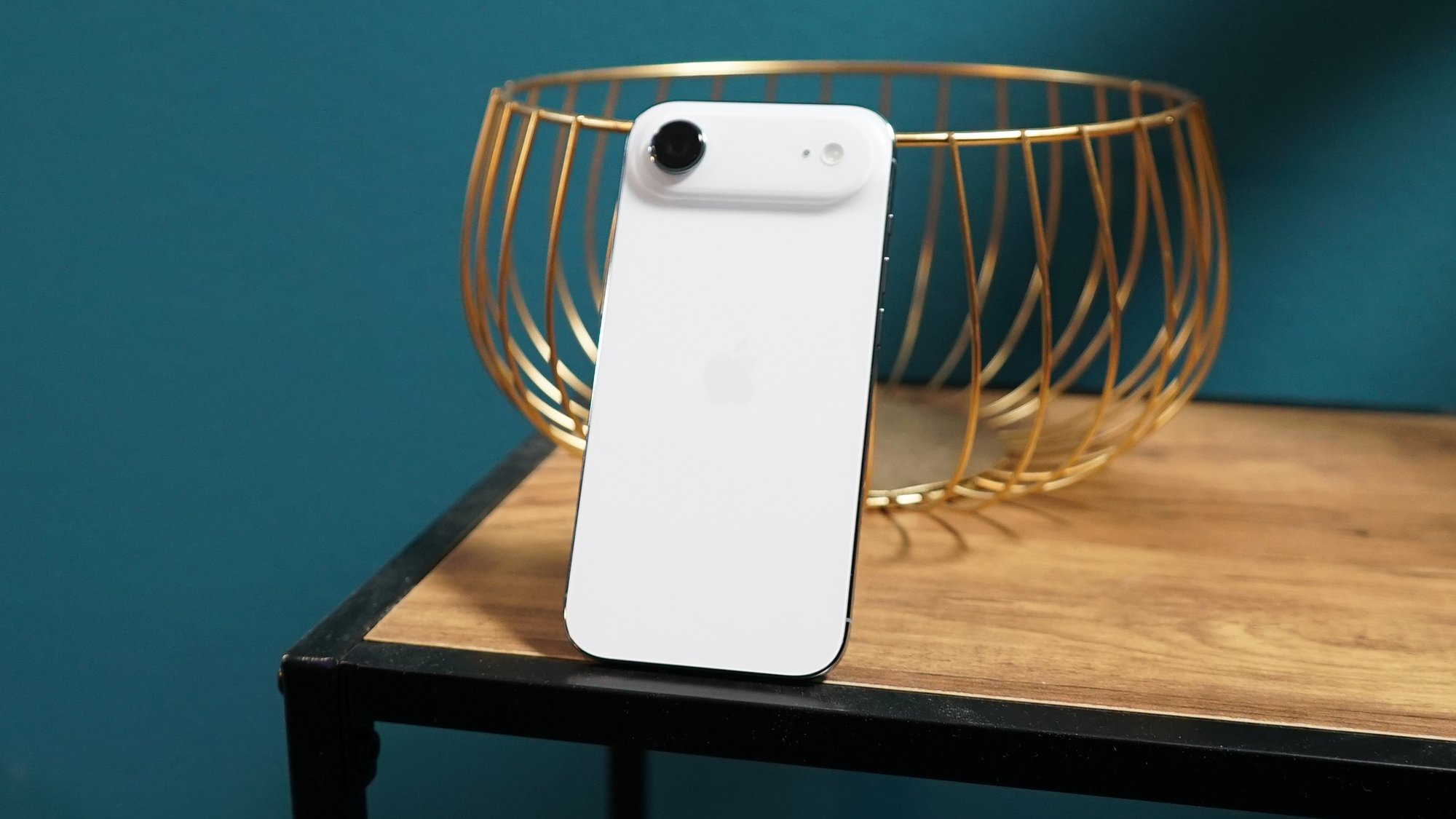
The iPhone Air’s defining feature is its exceptionally thin 5.6mm titanium design, making it noticeably lighter and more comfortable than other large-screen iPhones. Despite its slim profile, it still delivers flagship-level performance with the A19 Pro chip and a bright 120Hz ProMotion display. It’s the iPhone to choose if portability and design matter more than camera versatility or maximum battery life.
Buy the iPhone Air if
Buy the iPhone Air if you want a premium large-screen iPhone that feels exceptionally thin and light in the hand. It’s ideal for buyers prepared to sacrifice some camera flexibility and battery life in exchange for a much sleeker design.
Don’t buy iPhone Air if
Don’t buy it if photography or battery life are higher priorities. The iPhone 17 offers a more versatile dual-camera system for less money, while a Pro model is better suited to demanding photographers and power users.
What do you get that you don’t get with the iPhone 17?
The iPhone Air’s biggest advantage is its exceptionally thin and light titanium design. You also get a slightly larger 6.5-inch display, the more powerful A19 Pro chip and storage options up to 1TB. Those benefits come at the expense of the iPhone 17’s useful 48MP Ultra Wide camera, making the Air primarily a choice for buyers who value design and portability over versatility.
Key specs
The iPhone Air is Apple’s thinnest iPhone, combining a 6.5-inch display with an ultra-light titanium design. Despite measuring just 5.64mm thick, it still delivers flagship performance with the A19 Pro chip, a 120Hz ProMotion display, Ceramic Shield 2 and fast charging
- Starts at: $999 / £999 (256GB)
- Display: 6.5-inch OLED ProMotion (120Hz)
- Chip: A19 Pro (5-core GPU)
- Storage: 256GB–1TB
- Cameras: 48MP Main + 18MP Centre Stage front camera
- Battery: Up to 27 hours of video playback
Should you buy or wait?
Buy now if you love the Air’s distinctive thin-and-light design: there isn’t another iPhone quite like it. However, it’s also a model that frequently attracts discounts, particularly in the U.K., so it’s worth shopping around rather than paying full price.
Read our full
Apple iPhone Air (2025) review
7. Apple iPhone 16 – Best previous-generation deal
Pros
- Good dual cameras
- Apple Intelligence support
Cons
- Only 128GB storage
- Poor value full price


Why we recommend it
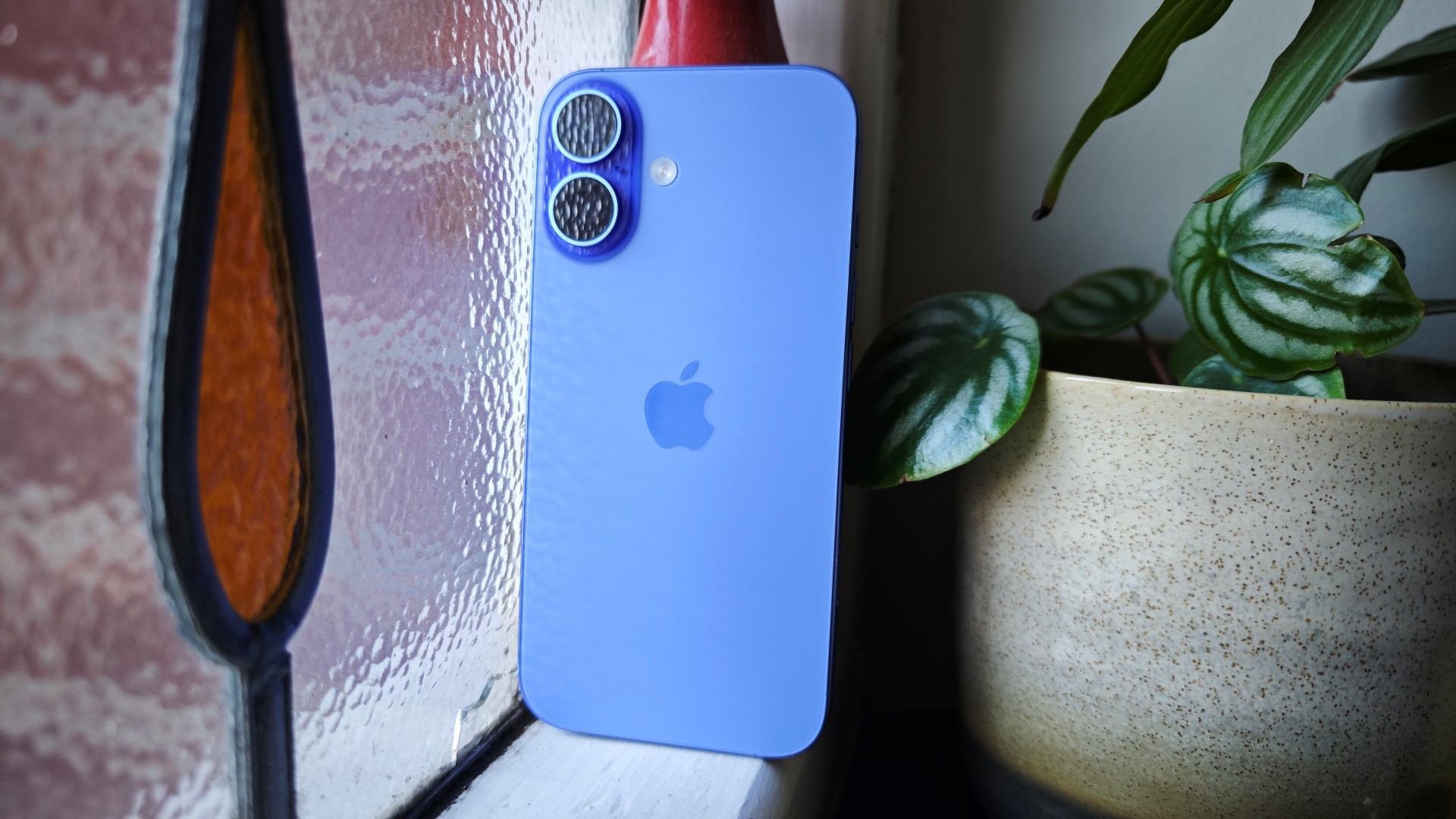
The iPhone 16 still delivers fast everyday performance thanks to its A18 chip, supports Apple Intelligence and includes a versatile dual-camera system with an excellent 48MP Main camera. Its main appeal in the current lineup, however, is price: it only makes sense when discounted significantly below the newer models.
Buy iPhone 16 if
Buy the iPhone 16 if you find it heavily discounted and want Apple Intelligence, a capable dual-camera system and features such as Camera Control and the Action button without paying for the latest generation.
Don’t buy iPhone 16 if
Don’t buy it at full price. The iPhone 17e offers newer hardware, twice the base storage and longer battery life for less, while the iPhone 17 is considerably more advanced for only a little more money.
What do you get that you don’t get with the iPhone 17e?
The iPhone 16 has a second 12MP Ultra Wide camera, giving it greater photographic versatility, as well as Camera Control and the Action button. Those features may make it preferable to the 17e for photography-minded buyers, but only if the price is right.
What do you miss compared with the iPhone 17?
The iPhone 17 gives you a larger 6.3-inch ProMotion Always-On display, newer A19 processor, upgraded 48MP Ultra Wide camera, improved 18MP Centre Stage selfie camera, longer battery life and 256GB of storage as standard. Unless the iPhone 16 is heavily discounted, the 17 is easily worth the difference.
Key specs
The iPhone 16 combines the A18 chip with a 48MP Fusion Main camera, 12MP Ultra Wide camera, Camera Control, the Action button and Apple Intelligence support. It remains a capable smartphone, but its 128GB starting storage and older display make it less compelling than the newer iPhone 17e and iPhone 17.
- Starts at: $699 / £699
- Display: 6.1-inch Super Retina XDR OLED
- Chip: A18
- Storage: 128GB–512GB
- Cameras: 48MP Main + 12MP Ultra Wide
- Battery: Up to 22 hours of video playback
Should you buy or wait?
Don’t buy at full price. Only consider the iPhone 16 if it’s heavily discounted below the iPhone 17e; otherwise, Apple’s newer models offer substantially better value.
Read our full
Apple iPhone 16 review
Which iPhone has the best camera? iPhone 18 Pro
Apple
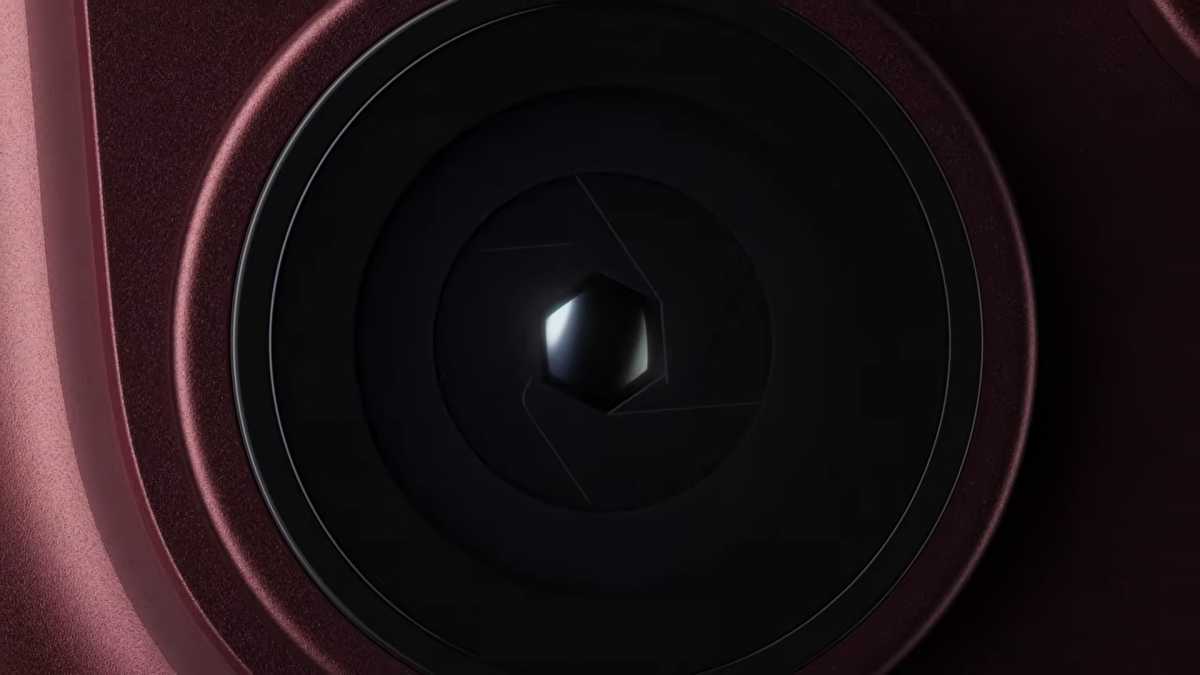
The iPhone 18 Pro and iPhone 18 Pro Max have the best camera systems of any current iPhone. Both models use the same triple-48MP rear camera setup, so there is no photographic advantage to choosing the larger Pro Max unless you also want its bigger display and longer battery life.
The headline upgrade is the 48MP Main camera with variable aperture, which gives photographers more control over depth of field and should improve low-light performance. The Pro models also include a 48MP Ultra Wide camera and a 48MP Telephoto camera with 4x and 8x optical-quality zoom, giving them far more flexibility than Apple’s cheaper iPhones.
The standard iPhone 17 is still an excellent camera phone, with 48MP Main and Ultra Wide cameras, plus an improved 18MP Centre Stage front camera. For everyday photography it will be more than enough for most people, but it lacks the dedicated telephoto lens, longer zoom and advanced video features of the Pro models.
The iPhone Duo is more compromised. Despite its premium price, it has only two 48MP rear cameras and lacks a dedicated telephoto camera, variable aperture, ProRes and Apple Log. Its strengths are instead its fold-specific shooting features and dual-screen flexibility.
The iPhone Air and iPhone 17e are the least versatile, with just a single 48MP rear camera.
Our choice: If photography and video are your priority, buy the iPhone 18 Pro. It offers the same camera system as the Pro Max for less money and in a more manageable size.
Which iPhone has the best battery life? iPhone 18 Pro Max
Bigger iPhone means bigger battery.
Apple
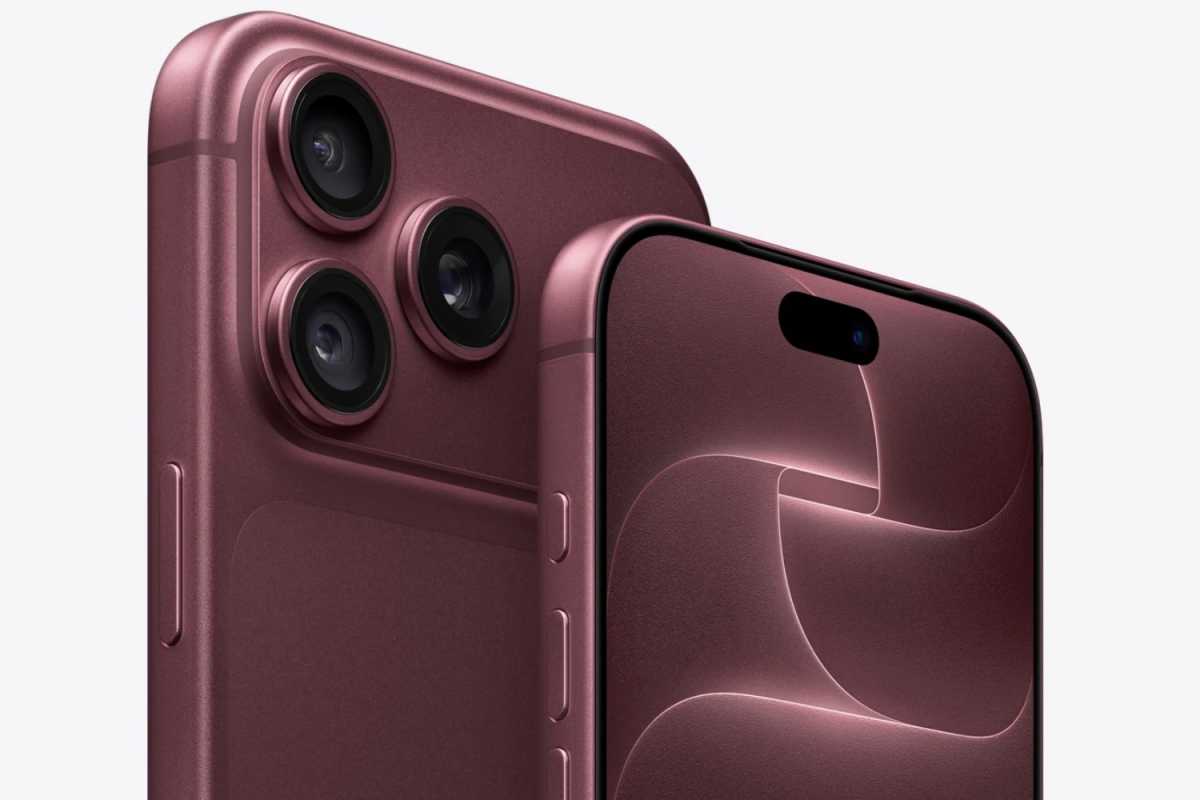
The iPhone 18 Pro Max has the best battery life of any current iPhone, with Apple rating it for up to 45 hours of video playback. That puts it comfortably ahead of the smaller iPhone 18 Pro and makes battery life one of the strongest reasons to choose the Pro Max.
The iPhone Duo comes surprisingly close, with up to 44 hours of video playback when using its outer 5.4-inch display. However, battery life drops to around 31 hours when using the larger 7.6-inch folding display, so the Pro Max remains the better choice if endurance is your priority.
The iPhone 18 Pro is also excellent, offering up to 36 hours of video playback. That makes it a good compromise if you want strong battery life without carrying the much larger and heavier Pro Max.
Further down the range, the iPhone 17 offers up to 30 hours, making it the best mainstream option for battery life. The iPhone Air manages around 27 hours despite its exceptionally thin design, while the iPhone 17e reaches 26 hours.
The older iPhone 16 trails the current lineup at up to 22 hours of video playback.
Our choice: If battery life matters above everything else, the iPhone 18 Pro Max is the clear winner. Its combination of a 45-hour rating, huge 6.9-inch display and Pro-level performance makes it particularly well suited to heavy users, travellers and anyone who wants to get through a long day without worrying about charging.
Here’s how the current iPhone lineup compares in terms of battery life
| Model | Video Playback (Apple’s rating) | Geekbench 4 Test (minutes) | Wired Charging (50% time) |
|---|---|---|---|
| iPhone 18 Pro Max | Up to 43 hours | TBC | ~15 min (60W+) |
| iPhone Duo | Up to 44 hours outer / 31 hours inner | TBC | ~20 min (60W+) |
| iPhone 18 Pro | Up to 34 hours | TBC | ~15 min (60W+) |
| iPhone 17 | Up to 30 hours | 1,053 | ~20 min (40W) |
| iPhone Air | Up to 27 hours | 880 | ~30 min (20W) |
| iPhone 17e | Up to 26 hours | 854 | ~30 min (20W) |
| iPhone 16 | Up to 24 hours | 867 | ~30 min (20W) |
What is the best value iPhone? iPhone 17
Hannah Cowton-Barnes / Foundry
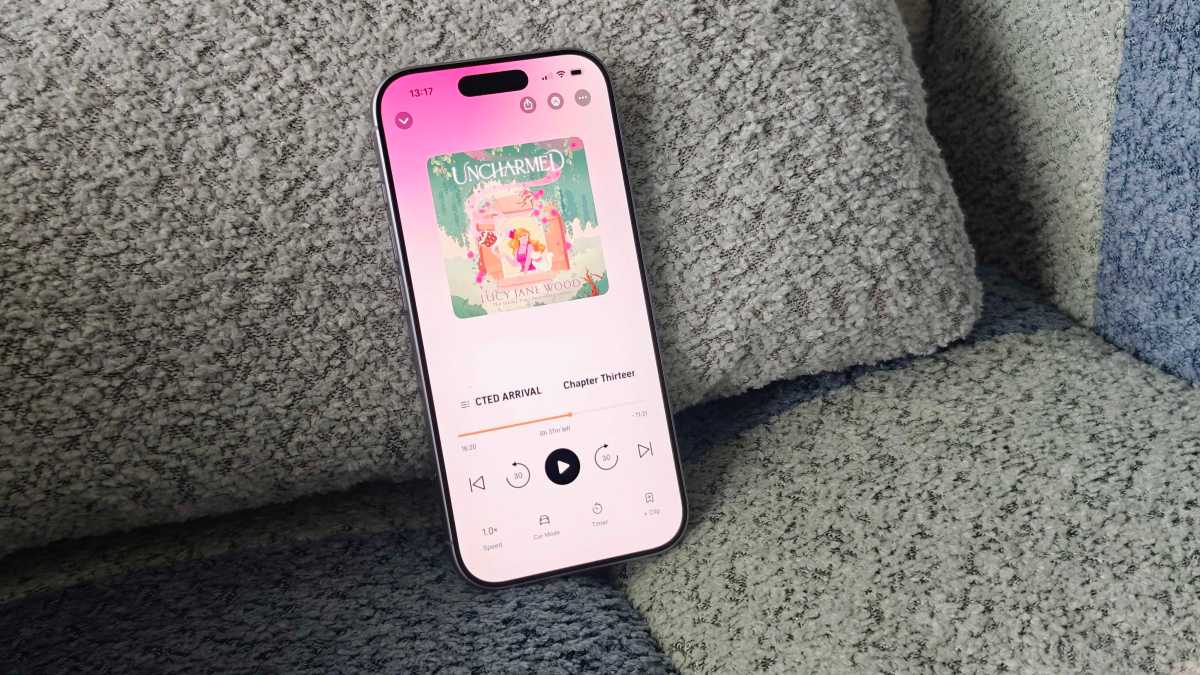
The iPhone 17 offers the best overall value for money in Apple’s current lineup. The iPhone 17e is cheaper, but the extra $200/£200 for the iPhone 17 buys a surprisingly large number of worthwhile upgrades.
You get a larger 6.3-inch 120Hz ProMotion display with Always-On support and Dynamic Island, rather than the 17e’s standard 60Hz 6.1-inch screen. The iPhone 17 also adds a second 48MP Ultra Wide camera, including macro photography, along with a better 18MP Centre Stage front camera.
Battery life is stronger too, at up to 30 hours of video playback, compared with 26 hours on the iPhone 17e. You also get stronger graphics performance and a more premium overall experience, while both phones start with a generous 256GB of storage.
At $799/£799, the iPhone 17 also compares very favourably with the older iPhone 16. For just $100/£100 more, you get double the base storage, ProMotion, a larger and brighter display, improved cameras, the newer A19 chip and significantly better battery life.
If your priority is spending as little as possible, choose the iPhone 17e which delivers excellent performance for $599/£599. Or seek out a refurbished iPhone from the Apple Refurbished Store or another place that sells refurbished iPhones.
Our choice: In terms of the features and hardware you get for every pound or dollar spent, the iPhone 17 is the sweet spot. For most buyers, it delivers the best balance of price, performance, cameras, display quality, battery life and longevity without paying for Pro-level features they may never use. Even better if you can find a iPhone 17 deal, then you are really getting a bargain.
Best iPhone for gaming: iPhone 18 Pro
Foundry
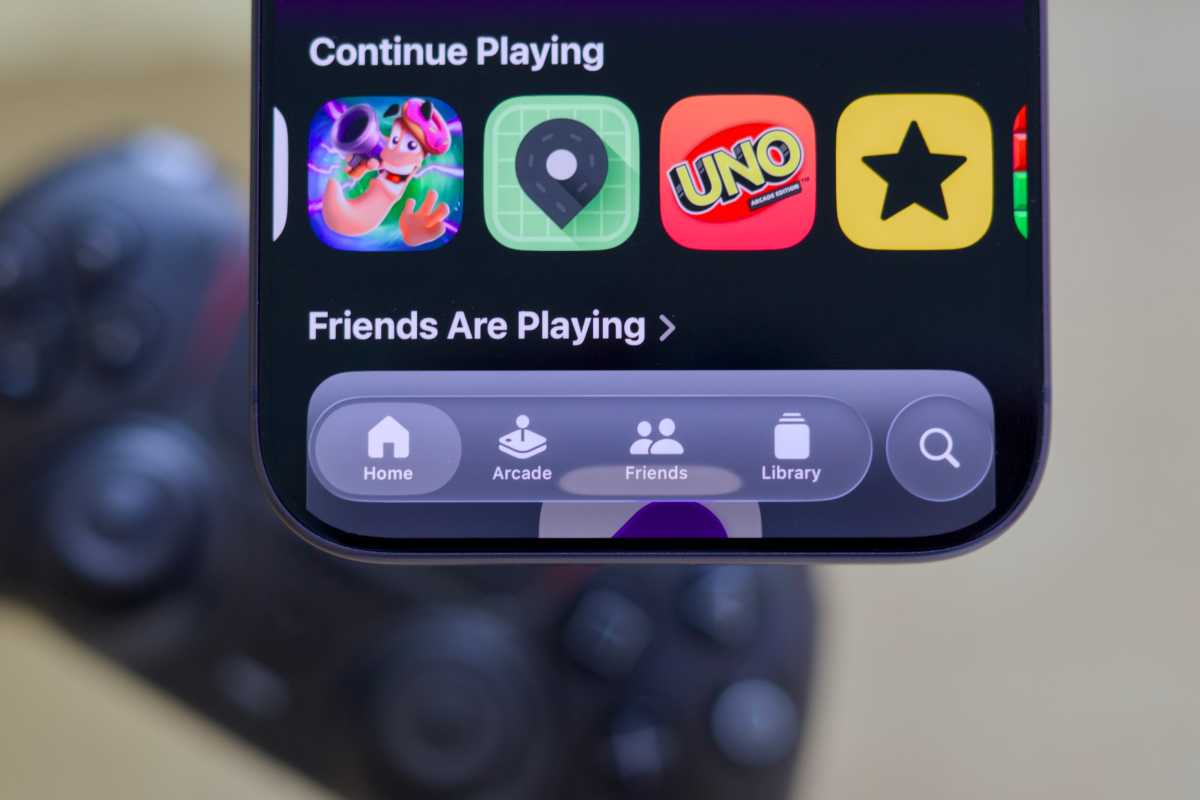
The iPhone 18 Pro is the best iPhone for gaming for most people, thanks to its combination of the A20 Pro chip, seven-core GPU and improved vapor-chamber cooling.
The A20 Pro is Apple’s fastest iPhone processor, but the cooling system is just as important for gaming. Better heat management should help the iPhone 18 Pro maintain high performance for longer during demanding games, rather than slowing down as the phone gets hot. Its 6.3-inch 120Hz ProMotion display also provides smooth animation and responsive gameplay without making the phone excessively large or heavy.
The iPhone 18 Pro Max offers essentially the same gaming performance, but adds a much larger 6.9-inch display and significantly longer battery life. That arguably makes it the best choice for serious mobile gamers who value screen size and endurance, although it is heavier and costs more.
The iPhone Duo also uses the A20 Pro and has an enormous 7.6-inch folding display, which could be fantastic for some games, but its weight, price and unconventional form factor make it a more specialised choice.
Our choice: For most gamers, the iPhone 18 Pro offers the best balance of performance, cooling, display quality and portability. It’s the best choice if you prefer a more pocketable device but still want top-tier gaming power.
Best iPhone for seniors and older users: iPhone 17e
David Price / Foundry
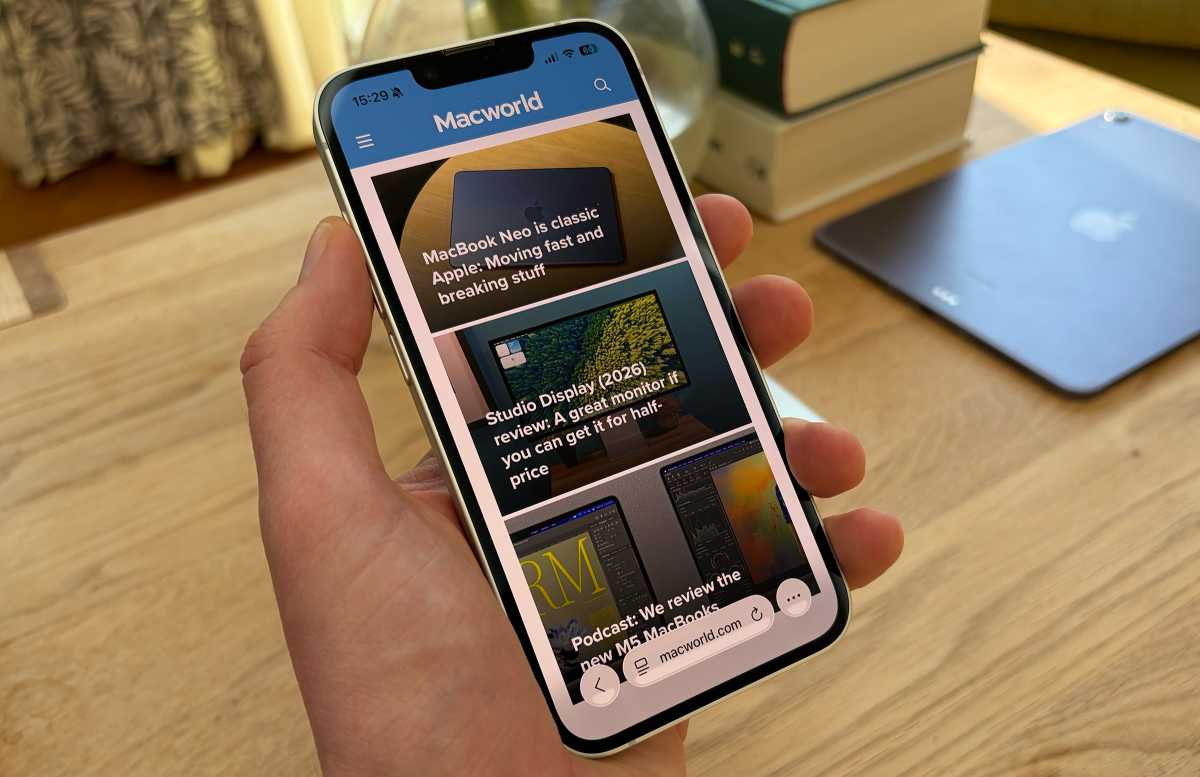
For most older users, the iPhone 17e is probably the best choice, because it combines a relatively simple feature set with modern performance, strong battery life and a lower price than Apple’s flagship models.
Its 6.1-inch OLED display is large enough to make text, icons and controls easy to see without making the phone too bulky, while the A19 chip should keep it feeling fast for years. It also supports Apple Intelligence and starts with 256GB of storage, so there’s plenty of room for photos, apps and videos.
The iPhone 17 is a better option for someone who would benefit from a larger and more advanced display. Its 6.3-inch ProMotion screen, Always-On support and higher brightness can make scrolling, reading and outdoor use more comfortable. It also offers stronger battery life and better cameras, although it costs more.
We don’t recommend the iPhone Air, Pro Max or Duo for older users. The Air sacrifices battery life and camera flexibility for thinness, while the Pro Max and Duo are much heavier and considerably more expensive.
Our choice: iPhone 17e is the perfect choice for most older users.
Best iPhone for kids: iPhone 17e
Ida Blix
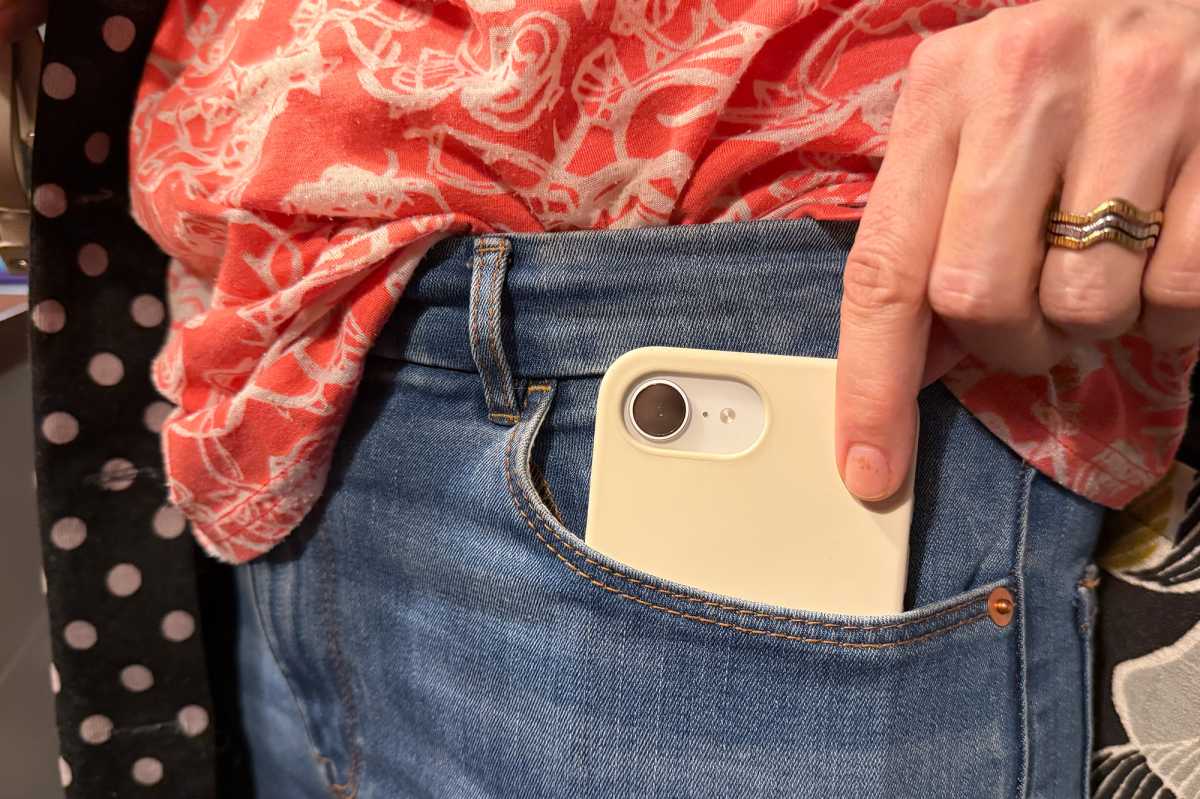
The iPhone 17e is the best iPhone for most children. As Apple’s most affordable current-generation model, it offers the best balance of price, performance and longevity, while being easier to justify than a flagship model if it gets lost or damaged.
It uses the same A19 chip as the iPhone 17, albeit with one fewer GPU core, so it’s easily fast enough for games, social media, schoolwork and Apple Intelligence. Battery life is strong, the 6.1-inch OLED display is a sensible size for smaller hands, and the 48MP camera is more than capable for everyday photos, even though it lacks an Ultra Wide lens.
The iPhone 17 is the better choice for older teenagers who care more about photography, video or display quality. It adds a 48MP Ultra Wide camera, a better front camera and a larger 6.3-inch ProMotion display, but costs considerably more.
A hand-me-down iPhone is also worth considering. It’s the cheapest option and better for the environment, provided you erase the phone first, create a Child Account through Family Sharing, and configure Screen Time and parental controls before handing it over. Read: How to set up an iPhone for a child.
Whichever iPhone you choose, those controls matter. In iOS 27, Apple is expanding Screen Time with new category-based Time Allowances, Ask to Browse, more flexible app schedules and improved contact controls. Communication Safety can also detect and blur sensitive, violent or graphic content.
For very young children, an iPad may still be a better first Apple device. By the time they reach 11 or 12 though, an iPhone becomes much more useful for staying in touch.
Our choice: iPhone 17e for most kids; iPhone 17 for older teens who want better cameras and display quality.
Should you buy an older iPhone?
Macwelt
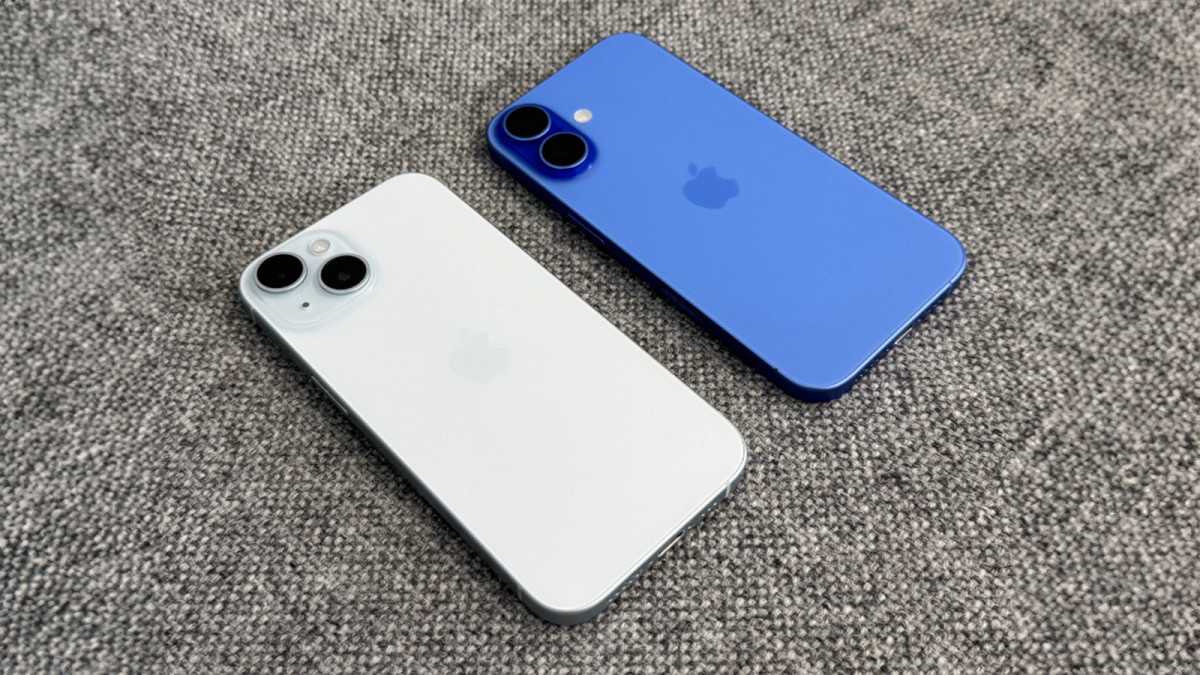
Buying an older iPhone can be a great way to save money, but the key is choosing a model that still has plenty of useful life ahead of it. Apple typically provides around five to seven years of major iOS updates, with security updates often continuing for longer, so a relatively recent iPhone can remain perfectly usable for years.
We wouldn’t recommend simply buying the cheapest iPhone you can find. Very old models may technically run recent versions of iOS, but performance, battery condition and access to newer features can become increasingly compromised. We currently recommend avoiding anything older than the iPhone 15 Pro because even the iPhone 15 doesn’t support Apple Intelligence. You should definitely avoid models such as the iPhone XS and XR that can no longer run the latest iOS releases.
A refurbished recent-generation iPhone can offer particularly good value. You may be able to buy a former Pro model with better cameras and displays for less than a new entry-level iPhone. Buying from a reputable refurbisher is important, however: check the warranty, battery condition, returns policy and whether genuine replacement parts have been used. Apple’s own refurbished iPhones include a new battery and outer shell and come with a one-year warranty.
Our advice: A discounted or refurbished iPhone 16 or newer should offer an excellent combination of price, features and longevity.