Apple released macOS 27 Golden Gate on September 14, 2026, but development hasn’t stopped. Just two days later on September 16, Apple issued the first developer beta of macOS 27.2, beginning testing of the operating system’s next major point update. Yes, that’s macOS 27.2, not macOS 27.1.
The macOS 27.2 beta gives developers and testers early access to Apple’s latest fixes, refinements and any features that weren’t ready for the initial Golden Gate release.
However, as with any beta software, it may introduce bugs, compatibility problems and poorer battery life so we recommend caution if you wish to install it.
Here’s everything you need to know about the latest macOS beta, including what’s new, when the next public beta is likely to arrive and whether you should install it.
What’s the latest macOS beta?
Apple offers two beta streams: a developer beta and a public beta. The public beta allows enthusiasts and early adopters to test upcoming changes before they are released to everyone. You need to join Apple’s Beta Software Program to access it.
The latest Mac beta is macOS 27.2 beta 1, which Apple released to registered developers on September 16, 2026. It arrived two days after the public release of macOS 27 Golden Gate.
The corresponding macOS 27.2 public beta is expected shortly. Public betas usually follow developer betas, although Apple does not guarantee a particular schedule.
macOS 27 Golden Gate beta version tracker
- Apple released macOS 27.2 Golden Gate Developer Beta on September 16, 2026.
- The macOS 27.2 Golden Gate Public Beta should be released sometime the same week; new versions are usually released a day or two after the new developer beta.
macOS 26 Tahoe beta: Apple may continue updating macOS 26 Tahoe with security and maintenance releases, but macOS 27 is now the current operating system and the focus of Apple’s beta program.
macOS 27 Beta timeline
| Release | Date |
| Beta 1 | June 8, 2026 |
| Beta 2 | June 22, 2026 |
| Beta 3 | July 6, 2026 |
| Beta 3 v.2 | July 13, 2026 |
| Beta 4 | July 20, 2026 |
| Beta 5 | August 10, 2026 |
| Beta 6 | August 17, 2026 |
| Beta 7 | August 24, 2026 |
| Beta 8 | August 31, 2026 |
| Release Candidate 1 | September 9, 2026 |
| Public Beta 1 | July 13, 2026 |
| Public Beta 2 | July 22, 2026 |
| Public Beta 3 | August 11, 2026 |
| Public Beta 4 | August 17, 2026 |
| Public Beta 5 | August 24, 2026 |
| Public Beta 6 | August 31, 2026 |
| Final Release | September 14, 2026 |
| macOS 27.2 developer beta 1 | September 16, 2026 |
What’s new in the latest beta?
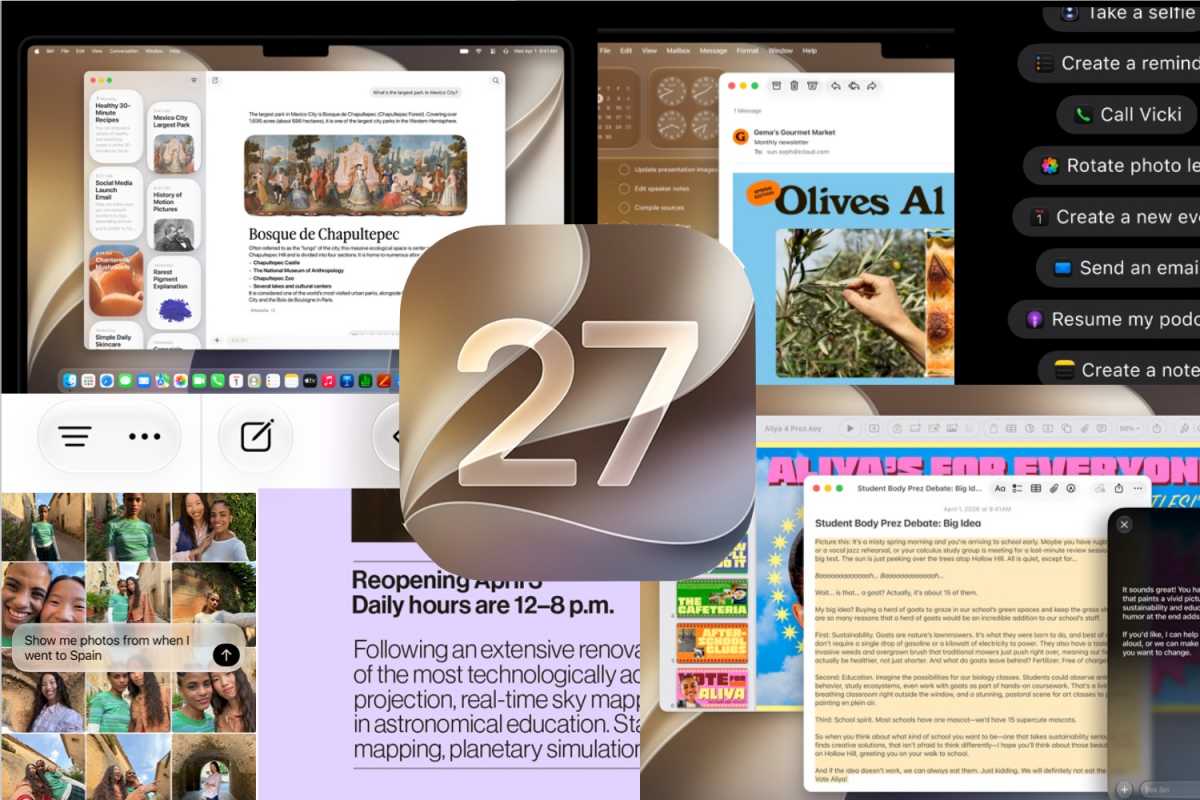
New features in macOS 27.
Foundry
Apple has not announced any major consumer-facing additions in macOS 27.2 beta 1. The following changes are expected though:
- Bug fixes and performance improvements: Addressing issues in the first release of macOS 27.
- Additional Siri AI languages: Apple has said the Siri AI will expand to French, Japanese, Korean, Portuguese and Spanish in October.
- Automatic password changes: The promised feature that automatically changes compromised passwords has not yet been implemented, but it could arrive in macOS 27.2..
We’ll update this section as changes are discovered.
See Apple’s developer website for more information about the beta.
Should you install the macOS beta?
Apple
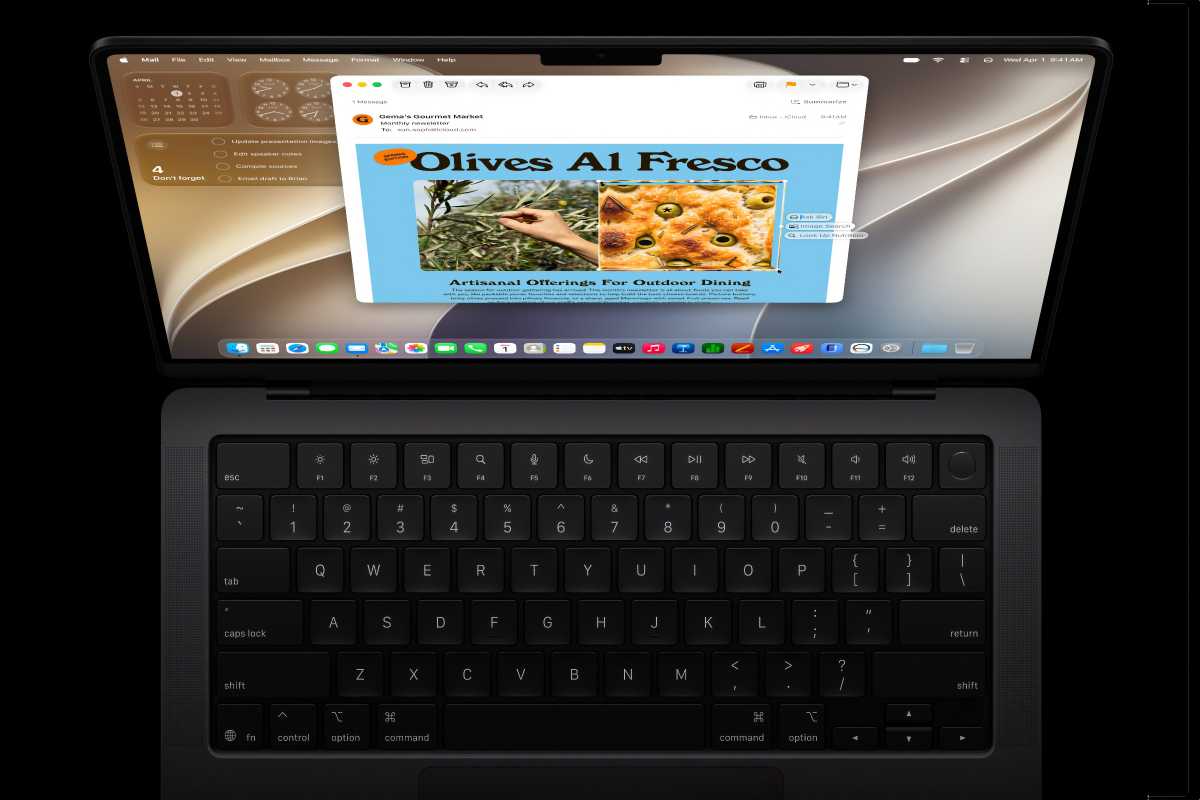
Installing the macOS beta lets you test Apple’s next round of features, fixes and refinements before their public release. Most Mac users should remain on the standard version of macOS 27, particularly if they rely on their Mac for work.
Install if…
- You need to test apps
- You want early access to new features
- You have a secondary Mac available
Wait if…
- This is your primary work machine
- You rely on niche or specialist software
- Stability is critical to your workflow
| Who are you | Should you install? |
|---|---|
| A developer testing apps | Consider the developer beta |
| An enthusiast with a spare Mac | Consider the public beta |
| General user with one Mac | Stay on macOS 27 |
What are the risks of installing beta software?
Installing pre-release software on a primary device carries several risks.
- System instability: Performance problems, freezes, crashes, and other unexpected behavior are common during beta testing.
- App failures: Third-party applications may crash, behave unpredictably, or stop working entirely.
- Hardware strain: Early beta builds can increase battery drain and cause Macs to run hotter than usual.
- Data loss: Software bugs may corrupt files, and downgrading to a stable version often requires a complete system reset.
Safety precautions and best practices
If you decide to install the beta, take the following precautions:
- Use a secondary device: Avoid installing beta software on your primary Mac or on any machine used for critical work.
- Create a full backup: Use Time Machine to create a complete backup before upgrading so you can restore your Mac if something goes wrong. Note that this needs to be a Time Machine backup from before the beta was installed and you will lose anything saved subsequently.
- Install on a separate volume: Consider installing the beta on a separate volume or external SSD rather than replacing your main operating system.
- Check storage space: Make sure you have at least 15GB of free storage available before beginning the installation.
How to install the macOS beta
Foundry
The process for installing a macOS beta depends on whether you are seeking the Developer Beta or the Public Beta. Apple simplified this process a few years ago, removing the need for a paid developer account to access early builds.
The first step is to join Apple’s beta testing program. We explain how to do that in a separate article.
You will need to register your account either as a public beta tester or as a developer in order to enable beta updates on your Mac.
To install the beta follow these steps:
- Back up your Mac: Before installing any pre-release software, it is critical to prepare your Mac to avoid data loss. Beta software is inherently unstable and can cause crashes or app compatibility issues.
- Register your account either as a public beta tester or as a developer in order to enable beta updates on your Mac:
For the Public Beta: Visit the Apple Beta Software Program website, sign in with your Apple ID, and agree to the terms.
For the Developer Beta: Register as an Apple Developer on Apple’s website, download the Apple Developer app from the App Store, sign in with your standard Apple ID, and complete the free registration process. - On the Mac where you wish to install the beta, open System Settings and navigate to General > Software Update.
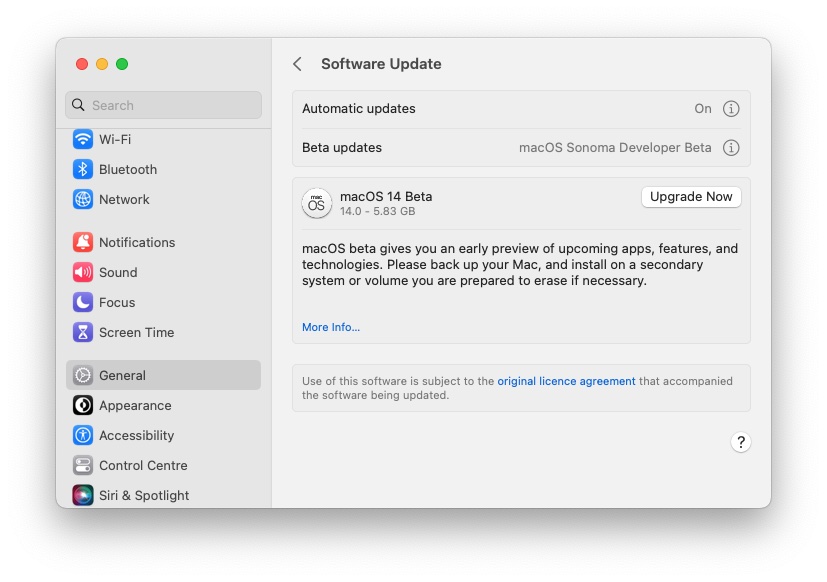
- Click the (i) info button next to Beta Updates.
- Enable Beta Updates.
- The beta will appear as an available upgrade. Select the macOS beta you want to install (e.g., macOS Public Beta or Developer Beta).
- Click Upgrade Now to begin the download and installation.
As long as you are a registered developer or enrolled in the public beta program, when the relevant macOS Beta becomes available, it will also show up on your Mac.
Once you are running the beta, the updates will come through to your Mac automatically; you just need to go to Software Update in System Settings and click to install. See How to install macOS.
How to get a free Apple developer account
If you just want a free Apple Developer account so you can access the beta, you can get this via Xcode or the Apple Developer app in iOS. Here’s how to do it via the Apple Developer app on an iPhone:
- Get the Apple Developer App from the App Store.
- Open the app on your iPhone.
- Tap on Account.
- Tap on Sign In.
- Sign in using your usual Apple ID.
If you wish to actually publish applications to the App Store or receive support, you’ll need to pay $99/£79 per year for a paid account. You can compare the free and paid accounts here.
FAQ
Who can run the macOS beta?
Anyone can run the macOS beta, but to do so, you do need to register for either the developer beta, the public beta, or both.
Apple offers both developer and public beta programs for macOS, enabling all interested users to test pre-release versions of the operating system. While both betas provide early access to new features, they cater to different user profiles based on technical expertise and risk tolerance. Beta software tends to be buggy so the more stable public beta version may be preferable, but even that will not be bug-free.
In the past, the developer beta was only available to developers who had paid to join Apple’s Developer Program (which costs $99/£79). However, for a couple of years now, Apple has opened up the developer beta to registered developers with free developer accounts. We explain how to get a free developer account below.
If you decide you no longer want to run the beta version of macOS read this: How to remove the macOS beta.
macOS public beta vs developer beta
Since 2023, the Developer Beta has been available to anyone who registers as a developer, even if they aren’t a paid-up member of Apple’s Developer Program. As a result, people with a basic free developer account can download the new macOS developer beta (we show you how to register below).
Whether you should download the developer beta if you aren’t a developer is another question. We don’t recommend you install the developer beta if you aren’t a developer. Instead, our recommendation is to use the public beta (the first version of which usually arrives in July).
There are a few differences between the public and developer betas. The public beta is not the same as the beta that is released through the developer program. The public beta typically launches after the developer beta has undergone initial testing and refinement
Developers get updates to their beta first, and possibly more frequently. But you should keep in mind that betas are by nature not stable, and because the public beta comes after the developer beta it could be a little safer to install.
The most significant difference is probably the motive of the testers: Developers usually have the aim of ensuring their apps work when the updated macOS is released to the general public, while public beta testers are essentially helping Apple detect bugs and offering feedback on the features. Because of this, developers may get to test new features not available in the public beta.
If you want to get the public beta the first thing you need to do, if you haven’t already, is join Apple’s beta programs read this for more information: How to become an Apple beta tester.
Is the macOS beta stable?
By its nature, a beta has the potential to be unstable. Therefore, it’s not advised that you install it on a Mac that you rely on. If you have a second Mac that isn’t mission-critical, then install it there. We strongly recommend that you don’t risk all by putting the macOS beta on your primary Mac, especially not in the early days of the beta development.
If you don’t have a second Mac, there are a couple of ways you could run macOS beta on your Mac without running the risk of losing data or finding your Mac stops working:
- We recommend installing it on a partition, which these days is really a volume (and is much easier to create than a partition was). Read about how to do that here: How to dual-boot Mac: Run two versions of macOS on a Mac.
- Alternatively, you could install the macOS beta on an external drive and run it on that.
We discuss the safety of the macOS beta and the risks you might be taking in more detail in a separate article.
How to prepare your Mac for the beta
Update your software: We recommend you have the latest full version of macOS installed, although Apple says that the macOS Developer Beta Access Utility requires macOS 10.8 or later.
Make space: We’d recommend at least 25-30GB of available space because the macOS betas tend to be very large. If you end up requiring more space, read: How to free up space on Mac. Note that we always recommend that you have at least 10% space free on your Mac at any time, so if you don’t have that, expect problems!
Back up: Before you install a beta on your Mac, you should make a backup of your data and files. You can find out how to use Time Machine to back up your Mac. We also have a round-up of suitable backup solutions.
How to send feedback to Apple
Should you come across an error or a bug, you should use the Feedback Assistant app to provide feedback to Apple. Launch the app and follow the appropriate steps, selecting the area about which you’re providing feedback and then any specific sub-area. Then describe your issue in a single sentence, before providing a more detailed description, including any specific steps that reproduce the issue. You’ll also be able to attach other files.
You’ll also have to give permission for the Feedback Assistant app to collect diagnostic information from your Mac.
It won’t always be obvious whether something is a bug or just not as easy to use as you might have hoped. Either way, if your feedback is that something appears to work in an illogical way, Apple will want to know that.
If you are having trouble with a third-party app, you can let Apple know by reporting it through the 3rd-party Application Compatibility category in the Feedback Assistant. However, we’d suggest that you also provide feedback to the app’s developer, who will no doubt be grateful.
Will I be able to update from macOS beta to the final version?
Beta users can move to the finished release once its build is newer than – or equivalent to – the beta installed. Read: How to leave the macOS beta.
Can I talk about the beta publicly?
According to Apple and the license agreement all beta testers must agree to, the beta is “Apple confidential information”. By accepting those terms, you agree not to discuss your use of the software with anyone who isn’t also in the Beta Software Program. That means you can’t “blog, post screenshots, tweet, or publicly post information about the public beta software.”
However, you can discuss any information that Apple has publicly disclosed; the company says that information is no longer considered confidential.
How to downgrade from the macOS beta
You can always revert to an earlier version of macOS, though depending on how you back up, it’s not necessarily a painless process.
Start by making sure the data on your drive is backed up, then erase the drive and install the latest public version of macOS. When you first start up your Mac, you can use the Migration Assistant to import your data from the backup. Here’s a more detailed tutorial on downgrading from the macOS beta and we also have a tutorial on downgrading to an older version of the Mac OS.
Is the beta free to download?
Yes, the macOS beta is free to download for both developers and the general public. Apple offers two distinct tracks for testing pre-release software: the Developer Beta and the Public Beta, both of which are now accessible without a paid subscription.
Can I go back to the stable version?
Yes, you can go back to the stable version of macOS from a beta, but the complexity of the process depends on whether the final version of that software has been released yet.
If you are running macOS 27.2 beta and want to return to the current public release of macOS 27, simply turning off Beta Updates will stop future beta installations, but it will not immediately downgrade the Mac. To return before Apple releases an equivalent public build, you may need to erase the Mac and reinstall macOS, then restore data from a backup made before installing the beta.
Should I install the beta on my main Mac?
Installing a macOS beta on your primary computer is generally not recommended due to the inherent risks of using unfinished software. While beta programs offer early access to new features, they are designed for testing and often contain significant bugs that can disrupt your daily workflow.
Do I need an Apple Developer account to install the beta?
You do not need a paid Apple Developer account to install the macOS beta. While access to developer betas was previously restricted to those paying a $99/£79 annual fee, Apple changed this policy in 2023 to allow anyone with a free developer account to access these builds. Alternatively, you can join the Public Beta program, which is also free and accessible to anyone with a valid Apple ID.
How often are new beta versions released?
New macOS beta versions are typically released every one to two weeks, with the frequency increasing as the final public release date approaches. The beta updates refine features and address bugs identified by testers.
Is the macOS beta safe to install?
The beta is generally safe to test, but it may contain bugs that cause crashes, poor battery life, app compatibility issues, or data loss. Always back up your Mac before installing.
Will my apps work with the macOS beta?
Many apps will work normally, but some third-party software may crash, perform poorly, or not launch at all until developers release updates.