Wondering which versions of macOS your Mac can run? We’ve put together a macOS compatibility checker that will show you what Macs the different versions of macOS and Mac OS X support, so you can tell what version you should be running on your Mac if you want the latest features and security protections.
Read on to find out exactly which Macs are supported by each version of the Mac operating system.
Latest supported macOS version
The latest macOS version is macOS 26 Tahoe, which can run on all M-series Macs and a small number of Intel-powered Macs from 2019, but the older Macs don’t get all the new features. There are also two versions of macOS that receive security updates: macOS 15 Sequoia and macOS 14 Sonoma.
- Latest version: macOS 26 Tahoe, released September 15, 2025
- Latest update: macOS 26.3, released February 11, 2026
- Supports: All M-series Macs and most Intel Macs from 2019 onward
- Security-supported versions: macOS 15 Sequoia (15) and Sonoma (14) still get critical security updates
Which version of macOS can my Mac run?
Apple releases a new version of the Mac operating system every year—but the newest version of the Mac operating system does not support every Mac. Each year more and more Macs fall off the compatibility list and are unable to be updated to take advantage of the latest features.
Here’s a simple table you can use to identify the version of macOS your Mac can run based on the year it was introduced. Note there are some exceptions where only certain models are compatible with a macOS version. For more details of specific models check the sections later on in this article.
| Year | MacBook Air | 14-inch MacBook Pro | 16-inch MacBook Pro | iMac | Mac mini | Mac Studio | Mac Pro | 13-inch MacBook Pro | 15-inch MacBook Pro | iMac Pro |
|---|---|---|---|---|---|---|---|---|---|---|
| 2025 | macOS 26 Tahoe | macOS 26 Tahoe | macOS 26 Tahoe | – | – | – | – | – | – | – |
| 2024 | macOS 26 Tahoe | macOS 26 Tahoe | macOS 26 Tahoe | macOS 26 Tahoe | – | macOS 26 Tahoe | – | – | – | – |
| 2023 | macOS 26 Tahoe | macOS 26 Tahoe | macOS 26 Tahoe | macOS 26 Tahoe | macOS 26 Tahoe | macOS 26 Tahoe | macOS 26 Tahoe | – | – | – |
| 2022 | macOS 26 Tahoe | macOS 26 Tahoe | macOS 26 Tahoe | – | – | macOS 26 Tahoe | – | macOS 26 Tahoe | – | – |
| 2021 | macOS 26 Tahoe | macOS 26 Tahoe | macOS 26 Tahoe | macOS 26 Tahoe | – | – | – | macOS 26 Tahoe | – | – |
| 2020 | macOS 26 Tahoe (M1 only) & macOS 15 Sequoia (Intel) |
– | – | macOS 26 Tahoe (27-inch model only) | macOS 26 Tahoe | – | – | macOS 26 Tahoe (4-ports only) | – | – |
| 2019 | macOS 14 Sonoma | – | macOS 26 Tahoe | macOS 15 Sequoia | – | – | macOS 26 Tahoe | macOS 15 Sequoia | macOS 26 Tahoe | – |
| 2018 | macOS 14 Sonoma | – | – | – | macOS 15 Sequoia | – | – | macOS 15 Sequoia | macOS 15 Sequoia | – |
| 2017 | macOS 12 Monterey | – | – | macOS 14 Sonoma | – | – | – | macOS 13 Ventura | macOS 13 Ventura | macOS 15 Sequoia |
| 2016 | macOS 12 Monterey | – | – | – | – | – | – | macOS 12 Monterey | macOS 12 Monterey | – |
| 2015 | macOS 12 Monterey | – | – | macOS 12 Monterey | – | – | – | macOS 12 Monterey | macOS 12 Monterey | – |
| 2014 | macOS 11 Big Sur | – | – | macOS 12 Monterey | macOS 12 Monterey | – | – | macOS 11 Big Sur | macOS 11 Big Sur | – |
| 2013 | macOS 11 Big Sur | – | – | macOS 11 Big Sur | – | – | macOS 12 Monterey | macOS 11 Big Sur (Retina only) | macOS 11 Big Sur | – |
For advice about installing macOS read: How to install macOS on your Mac and read our guide to every version of macOS released to find out about the latest version.
macOS 26 Tahoe compatibility
There were fears that macOS Tahoe would not support any Intel-powered Macs – luckily this isn’t the case, but Apple has confirmed this will be the last version of macOS to support Macs that don’t run on Apple’s own silicon.
To drill in to exactly which Mac model run macOS Tahoe you can browse the chart below:
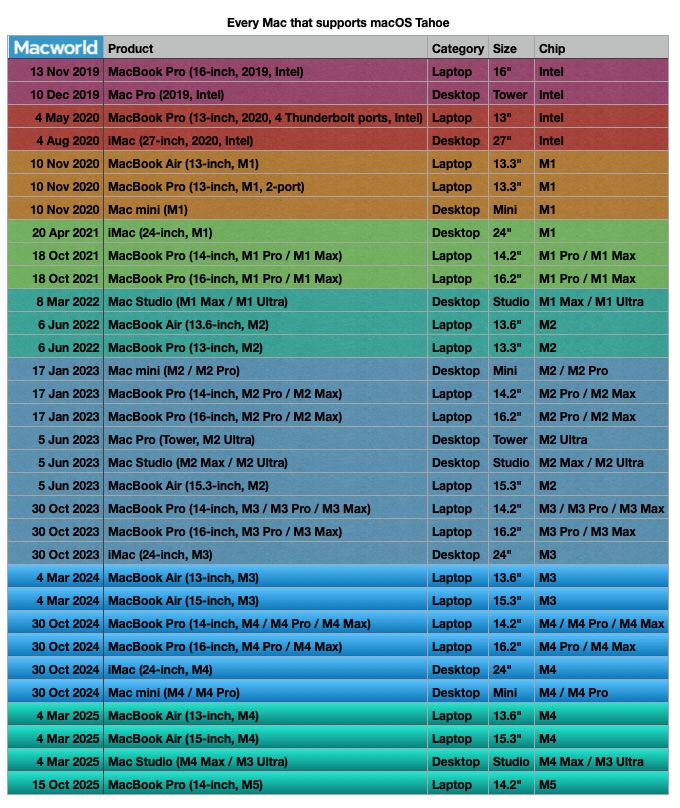
Every Mac that supports macOS Tahoe
Foundry
Apple lists the following Macs as compatible with macOS 26 Tahoe and the Apple Intelligence-powered features:
M-series Macs that run Tahoe
- MacBook Pro (M1 and later)
- MacBook Air (M1 and later)
- iMac (M1 and later)
- Mac mini (M1 and later)
- Mac Studio (M1 and later)
- Mac Pro (M1 and later)
Intel Macs that run Tahoe
These are the Intel Macs that run macOS Tahoe (but don’t support Apple Intelligence):
- MacBook Pro (Intel, 13‑inch, 2020, Four Thunderbolt 3 ports)
- MacBook Pro (Intel, 16‑inch, 2019)
- Mac Pro (Intel, 2019)
- iMac (Intel, mid 2020)
Macs that don’t run Tahoe
The following Macs that were supported by 2024’s macOS Sequoia, and any that are older than these, are not able to run Tahoe:
- iMac (Intel, 2019)
- iMac Pro (Intel, 2017)
- Mac mini (Intel, 2018)
- MacBook Pro (Intel, 2018)
macOS 15 Sequoia compatibility
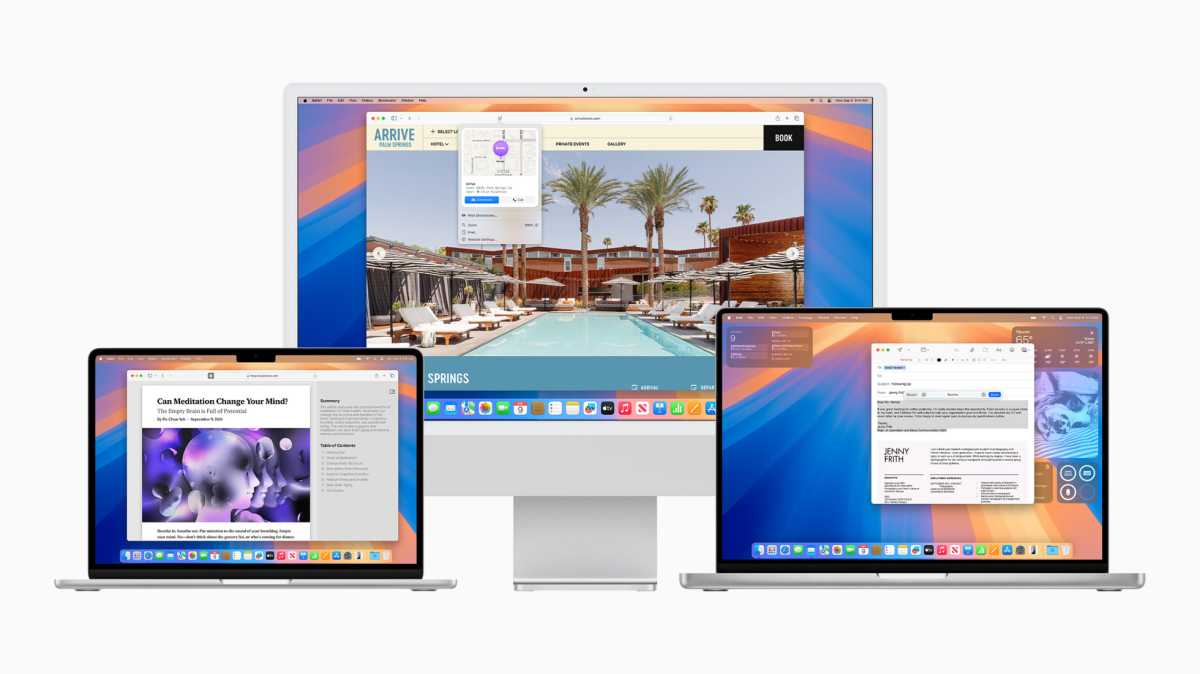
Which Macs run Sequoia? All the M-series Macs!
Apple
Sequoia (macOS 15) became available on Tuesday, September 16, 2024. The software was regularly updated prior to the introduction of Tahoe, but now that Tahoe is here Sequoia will only get security updates when required.
Latest version: macOS Sequoia 15.7.4 on February 11, 2026.
M-series Macs that run Sequoia
All M-series Macs can support Sequoia (and Apple Intelligence features), including:
- MacBook Air (M1 and later)
- MacBook Pro (M1 and later)
- iMac (M1 and later)
- Mac Pro (M1 and later)
- Mac Studio (M1 and later)
- Mac mini (M1 and later)
Intel Macs that run Sequoia
The following Intel Macs can run Sequoia. None of these models can support the Apple Intelligence features though.
- iMac (Intel, 2019 and August 2020)
- Mac Pro (Intel, 2019)
- iMac Pro (Intel, 2017)
- MacBook Air (Intel, March 2020)
- Mac mini (Intel, 2018)
- MacBook Pro (Intel, 2018, 2019 and May 2020)
Macs that don’t run Sequoia
The following Macs that were supported by 2023’s macOS Sonoma, and any that are older than these, are not able to run Sequoia:
- MacBook Air (Intel, 2019)
- MacBook Air (Intel, 2018)
For more information read: Can my Mac run Sequoia?
macOS 14 Sonoma compatibility
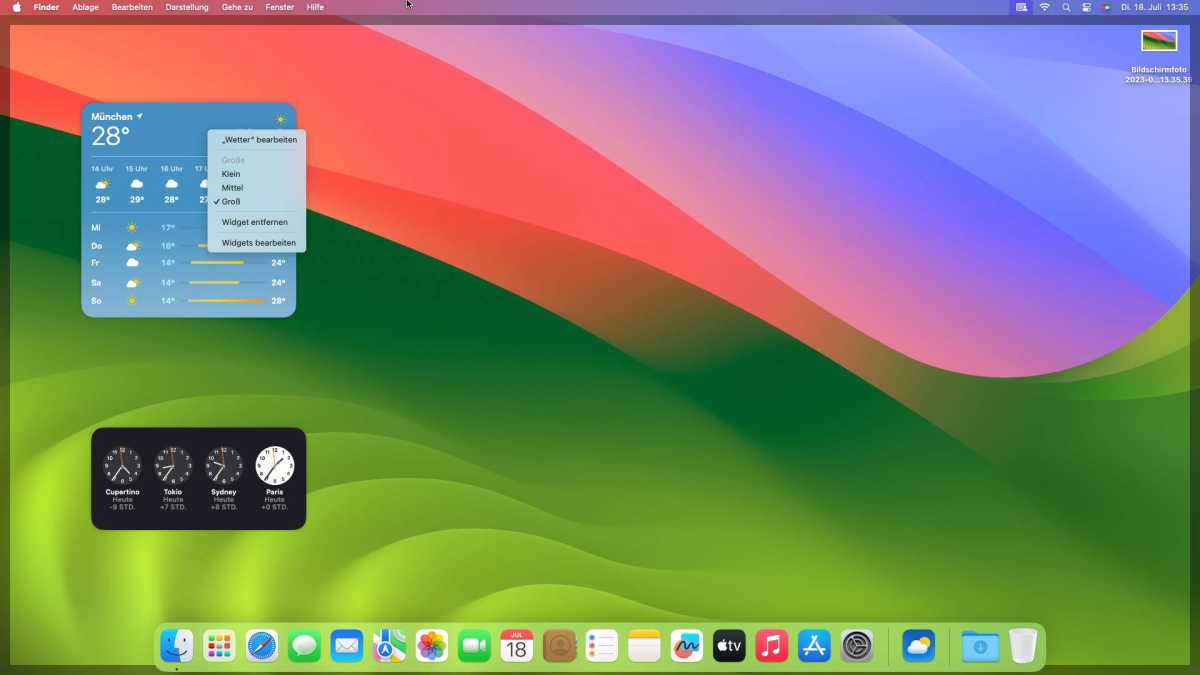
macOS Sonoma
arrived in 2023
IDG
macOS 14 Sonoma became available on Tuesday, September 26, 2023. Apple is still issuing security updates for Sonoma.
Latest version: macOS Sonoma 14.8.4 on February 11, 2026.
Macs that run Sonoma
- iMac from 2019
- Mac Pro from 2019
- iMac Pro from 2017
- Mac Studio from 2022
- MacBook Air from 2018
- Mac mini from 2018
- MacBook Pro from 2018
For more information read: Can my Mac run Sonoma?
macOS 13 Ventura compatibility
Apple
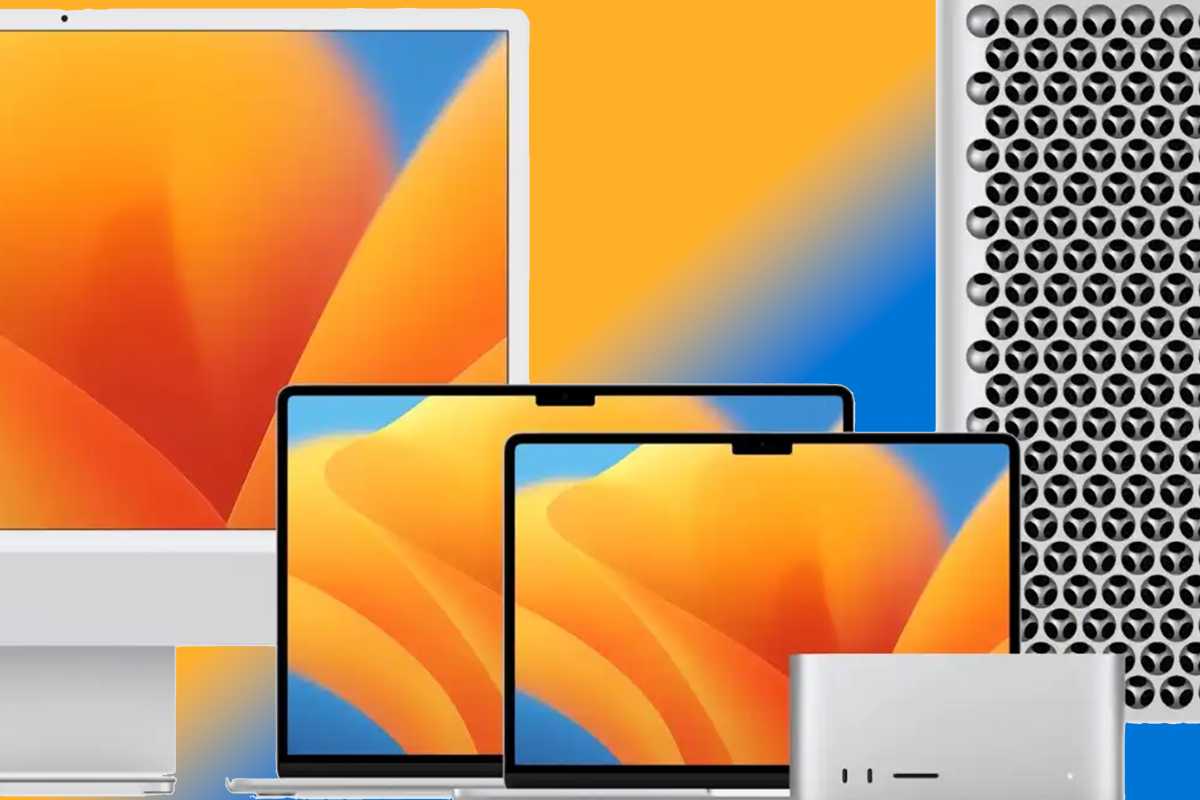
Apple released macOS 13 Ventura to the public on October 24, 2022. Apple is still issuing security updates for Ventura, the most recent was 13.7.8 in August 2025, this may be the last Ventura update now Tahoe is here, as Apple tends to only support the past two versions with security updates.
Latest version: macOS Ventura 13.7.8, August 2025.
Macs that run Ventura
- MacBook models from 2017 or later
- MacBook Air models from 2018 or later
- MacBook Pro models from 2017 or later
- Mac mini models from 2018 or later
- iMac models from 2017 or later
- iMac Pro (all models)
- Mac Pro models from 2019 or later
- Mac Studio (all models)
For more information read: Can my Mac run Ventura?
macOS 12 Monterey compatibility

Apple
macOS 12 Monterey was made available to download on October 15, 2021 (latest version 12.7.6 in July 2024). Apple is no longer issuing security updates for Monterey.
Latest version: macOS Monterey 12.7.6, July 2024.
Macs that run macOS Monterey
- MacBook models from early 2016 or later
- MacBook Air models from early 2015 or later
- MacBook Pro models from early 2015 or later
- Mac mini models from 2014 or later
- iMac from 2015 or later
- iMac Pro (2017 and later)
- Mac Pro models from late 2013 and later
- Mac Studio
macOS 11 Big Sur compatibility
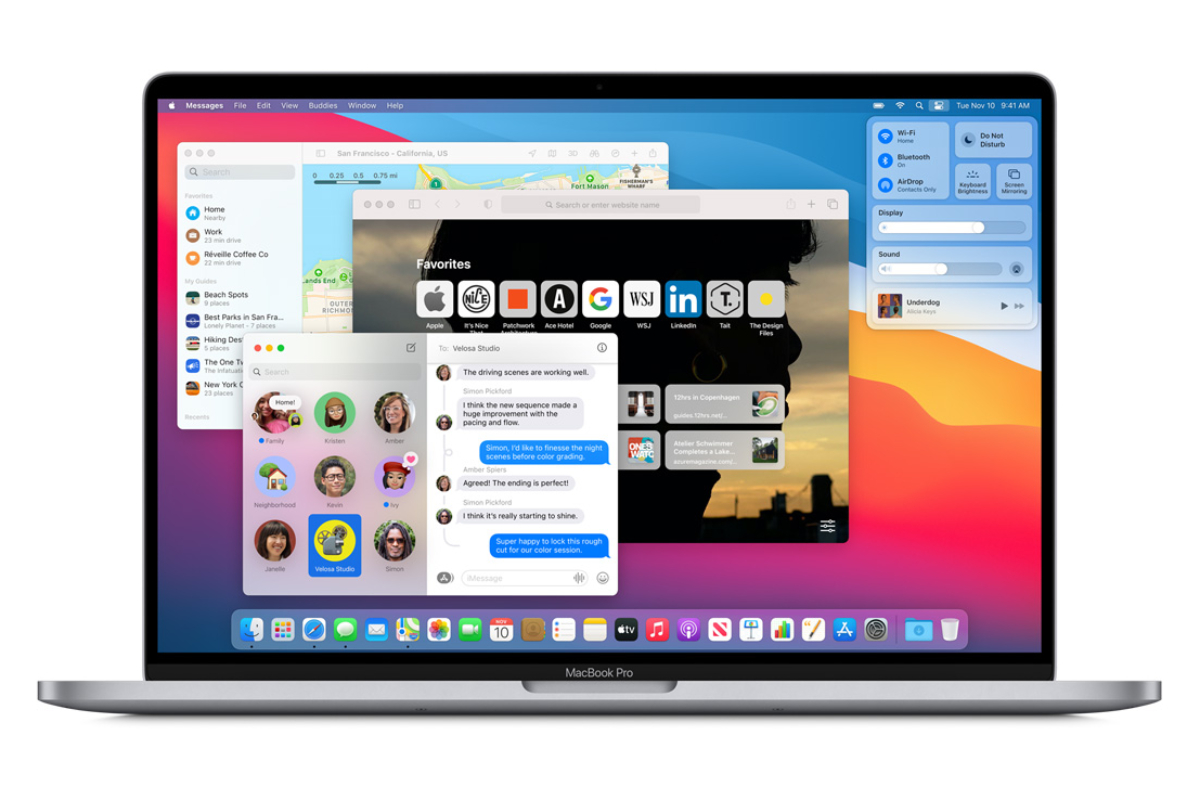
Apple
macOS 11 Big Sur was the version of macOS that arrived on November 12, 2020. Apple is no longer issuing security updates for Big Sur, but it did issue an update in February 2026 to address a certificate issue with FaceTime and Messages.
Latest version: macOS Big Sur 11.7.11, February 2026.
Macs that can run macOS Big Sur
- MacBook models from early 2015 or later
- MacBook Air models from 2013 or later
- MacBook Pro models from 2013 or later
- Mac mini models from 2014 or later
- iMac from 2014 or later
- iMac Pro (all models)
- Mac Pro models from 2013 and 2019
macOS 10.15 Catalina compatibility
Catalina arrived in October 2019. Apple is no longer issuing security updates for Catalina, but it did issue an update in February 2026 to address a certificate issue with FaceTime and Messages.
Latest version: macOS Catalina 10.15.8, February 2026.
Macs that can run Catalina
- MacBook (2015 to 2017)
- MacBook Air (Mid 2012 to 2019)
- MacBook Pro (Mid 2012 to 2019)
- Mac mini (Late 2012 to late 2018)
- iMac (Late 2012 to 2019)
- iMac Pro (all models)
- Mac Pro models from 2013
Note that the M-series Macs will not be able to run Catalina or earlier.

macOS 10.14 Mojave compatibility
Mojave arrived in September 2018 (latest version 10.14.6 in July 2021) and can run on the following Macs:
- MacBook (Early 2015 to 2017)
- MacBook Air (Mid 2012 to 2017, because it’s the same as 2015 model)
- MacBook Pro (Mid 2012 to 2018)
- Mac mini (Late 2012 to late 2018)
- iMac (Late 2012 to mid 2017)
- iMac Pro (all models)
- Mac Pro (Late 2013, plus mid 2010 and mid 2012 models with recommended Metal-capable GPU)
macOS 10.13 High Sierra compatibility
High Sierra arrived in September 2017 (latest version 10.13.6) and can run on the following Macs:
- MacBook (Late 2009 to 2017)
- MacBook Air (Late 2010 to 2017, which is same as 2015 model)
- MacBook Pro (Mid 2010 to 2017)
- Mac mini (Mid 2010 to 2014)
- iMac (Late 2009 to mid 2017)
- Mac Pro (Mid 2010 and 2013)
macOS 10.12 Sierra compatibility
Sierra, the first update to drop the “X” from the name, arrived in September 2016 (latest version 10.12.6) and can run on the following Macs:
- MacBook (Late 2009 to 2017)
- MacBook Air (Late 2010 to 2017, which is same as 2015 model)
- MacBook Pro (Mid 2010 to 2015)
- Mac mini (Mid 2010 to 2014)
- iMac (Late 2009 to 2015)
- Mac Pro (Mid 2010 and 2013)
Mac OS X 10.11 El Capitan compatibility
El Capitan arrived in September 2015 (latest version 10.11.6) and can run on the following Macs:
- MacBook (Early 2015 to 2017)
- MacBook (Late 2008 to 2010)
- MacBook Air (Late 2008 to early 2015)
- MacBook Pro (Mid/Late 2007 to early 2015)
- Mac mini (Early 2009 to 2014)
- iMac (Mid 2007 to mid 2015)
- Mac Pro (2008, 2010, 2013)
OS X 10.10 Yosemite compatibility
Yosemite arrived in October 2014 (latest version 10.10.5) and can run on the following Macs:
- MacBook (Late 2008 to 2010)
- MacBook Air (Late 2008 to mid 2013)
- MacBook Pro (13″ Mid 2009 to mid 2014)
- MacBook Pro (15″ Mid/Late 2007 to mid 2014)
- MacBook Pro (17″ Late 2007 to 2011)
- Mac mini (Early 2009 to 2012)
- iMac (Mid 2007 to mid 2014)
- Mac Pro (2008 and 2010)
Mac OS X 10.9 Mavericks compatibility
Mavericks arrived in October 2013 (latest version 10.9.5) and can run on the following Macs:
- MacBook (Late 2008 to 2010)
- MacBook Air (Late 2008 to mid 2013)
- MacBook Pro (Mid 2007 to early 2013)
- Xserve (Early 2009)
- Mac mini (Early 2009 to 2012)
- iMac (Mid 2007 to early 2013)
- Mac Pro (Early 2008 and 2010)
Mac OS X 10.8 Mountain Lion compatibility
Mountain Lion, the last of the “big cat” versions of the Mac operating system launched in July 2012 (latest version 10.8.5) and can run on the following Macs:
- MacBook (Late 2008 to 2010)
- MacBook Air (Late 2008 to mid 2012)
- MacBook Pro (Mid/Late 2007 to mid 2012)
- Mac mini (Early 2009 to 2011)
- iMac (Mid 2007 to 2011)
- Mac Pro (Early 2008 and 2010)
Wondering how long Apple will support your Mac for? Read:
How long do Macs last?
Can I install an older OS on my Mac?
Officially, the operating system that was available on your Mac at the time that you bought it is the oldest version of macOS that can run on that Mac. It’s likely that an older OS won’t include the necessary drivers for the hardware on newer Macs. For this reason, it is unlikely that you will be able to install an older version of macOS on a new Mac—but you can take a look at how to install old versions of macOS or OS X for other Macs. Owners of Macs with M-series chips (sometimes referred to as Apple Silicon) won’t be able to run older versions of macOS that weren’t designed for Apple Silicon Macs which use a different architecture, known as ARM, instead of x86.
But it may not just be a case of wanting to know if your Mac can run the newest operating system. You might also want to know if it is possible to downgrade your Mac to an older version of macOS and need to know the oldest version of macOS you can use. You’ll also find that information below. You can also see a complete list of all the different versions of macOS and Mac OS X. Not sure which Mac you own? Check our article about how to identify your Mac.