The Apple Watch is by far the most popular smartwatch on the planet. It offers a wide range of health sensors, integration with other Apple products, and advanced features that replicate a basic iPhone. Today, users can rely on the cellular-enabled model to independently call and text others, stream music, record workouts, view notes, and much more. While the technology packed in this tiny form factor is undoubtedly impressive, it can feel overwhelming.
Fitness trackers are a solid smartwatch replacement for users interested in collecting health data and nothing else. Google just launched the Fitbit Air, featuring stress-free battery life, support for various data types, and an alluring $99.99 price tag. Products like Whoop and Oura have been growing in popularity. Meanwhile, Apple’s cheapest alternative is the Apple Watch SE, which requires daily charging and starts at $249. A screen-less “Apple Watch Neo” would complement the company’s lineup, compete directly against Fitbit and Whoop, and act as a gateway to the higher-end smartwatches.
Always-off display
Every few years, the Apple Watch’s display just a little bit bigger, adapting to the increasing complexity of watchOS and its on-screen elements. It’s time to think differently and offer a completely screen-less model for users opposed to the regular evolution.
The always-on display technology has become standard on Apple’s flagship iPhones, letting users easily glance at the date, time, notifications, and widgets. For many of us, that’s sufficient to stay up to date throughout the day. And given that your iPhone and Mac can show all that information as well, there’s little need to have them duplicated on our wrists.
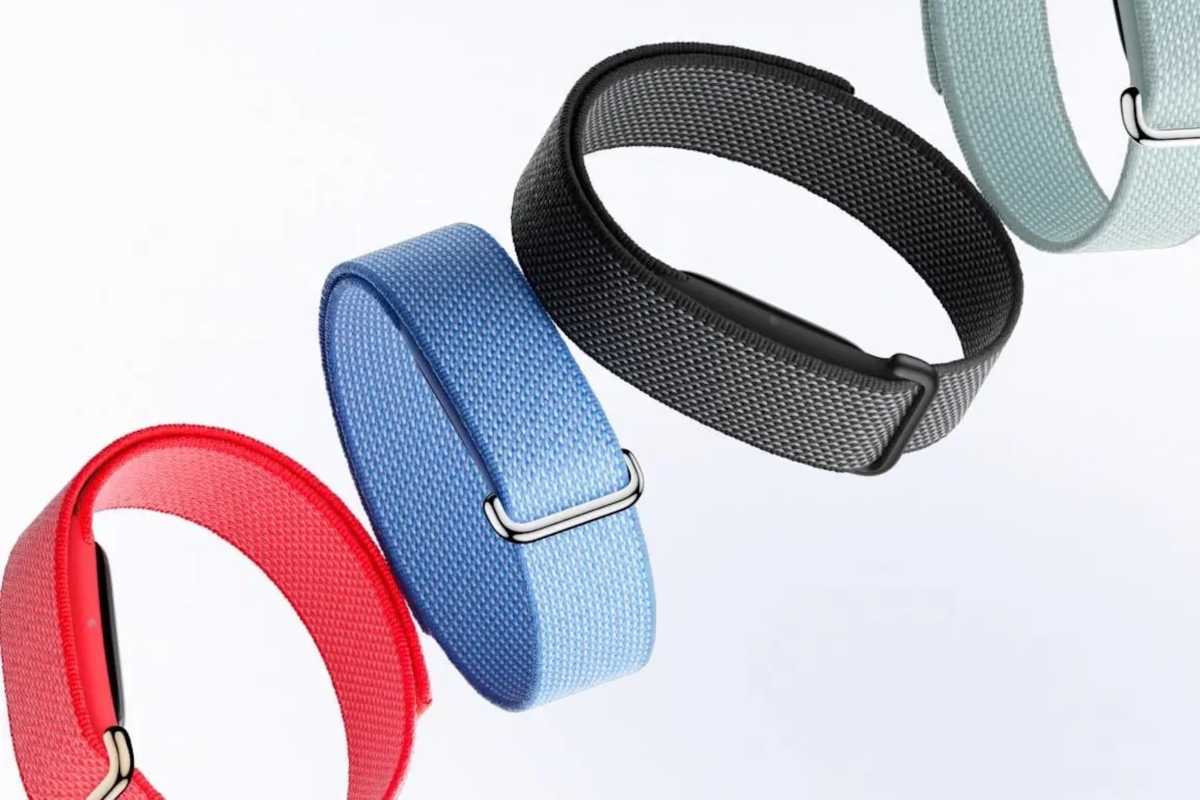
That’s not to say that Apple should completely eliminate the watch’s display. Many users appreciate the Apple Watch’s advanced utility, including the constant notification buzzing. But a simpler, standalone screen-less variant would cater to customers suffering from screen fatigue.
Charging forward
Users typically need to charge their Apple Watches daily—a recurring stressor that the Mindfulness app does little to alleviate. It’s particularly problematic for those tracking their sleep, who can’t just charge their watches overnight. Instead, they have to dedicate time during the day to ensure that the watch is sufficiently charged before bed.
Foundry
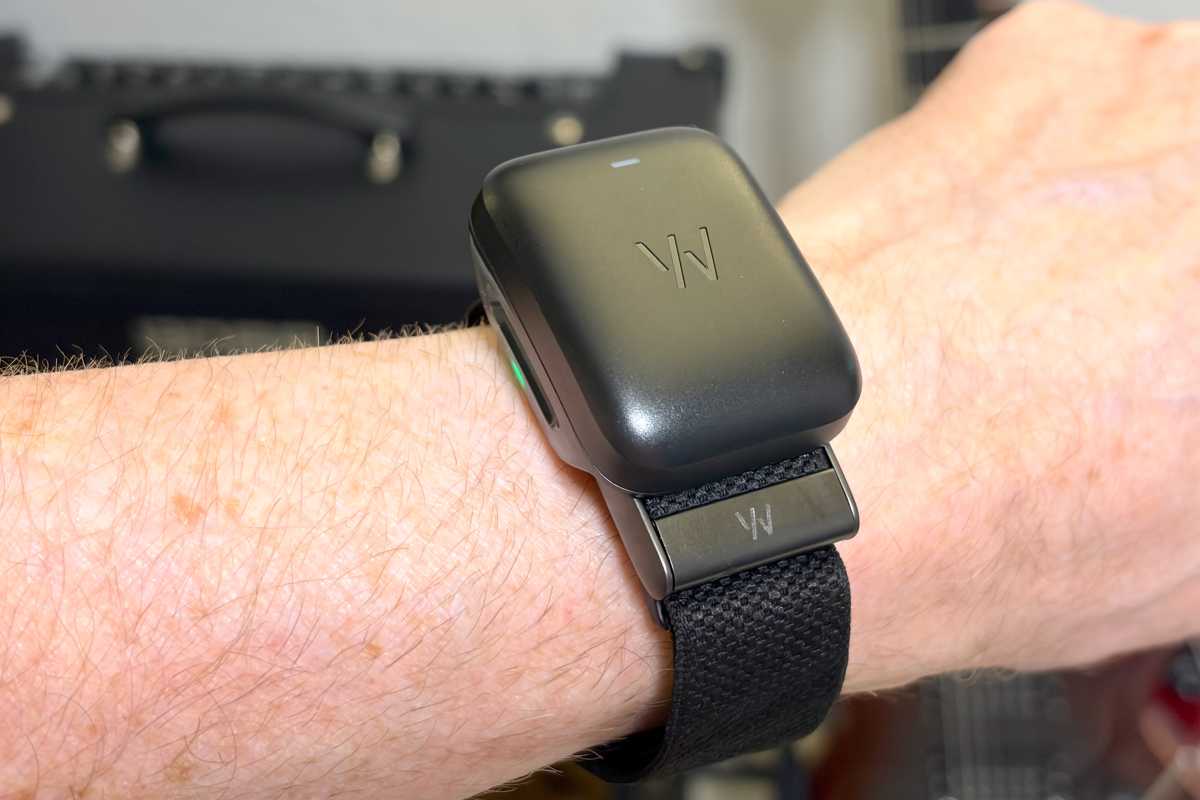
In contrast, the new Fitbit Air and Whoop last for a full week, eliminating a daily task from your routine. And if by any chance you forget about charging it once a week, a 5-minute top-up can provide power for a full day of use—making it effortless to avoid tracking interruptions.
Monitor-less monitoring
One would assume that the Apple Watch—considering its bulk—would collect more health and fitness data types. While, yes, there are certain smartwatch exclusives, such as the ECG sensor, Google’s Fitbit Air supports most of the relevant metrics users need.
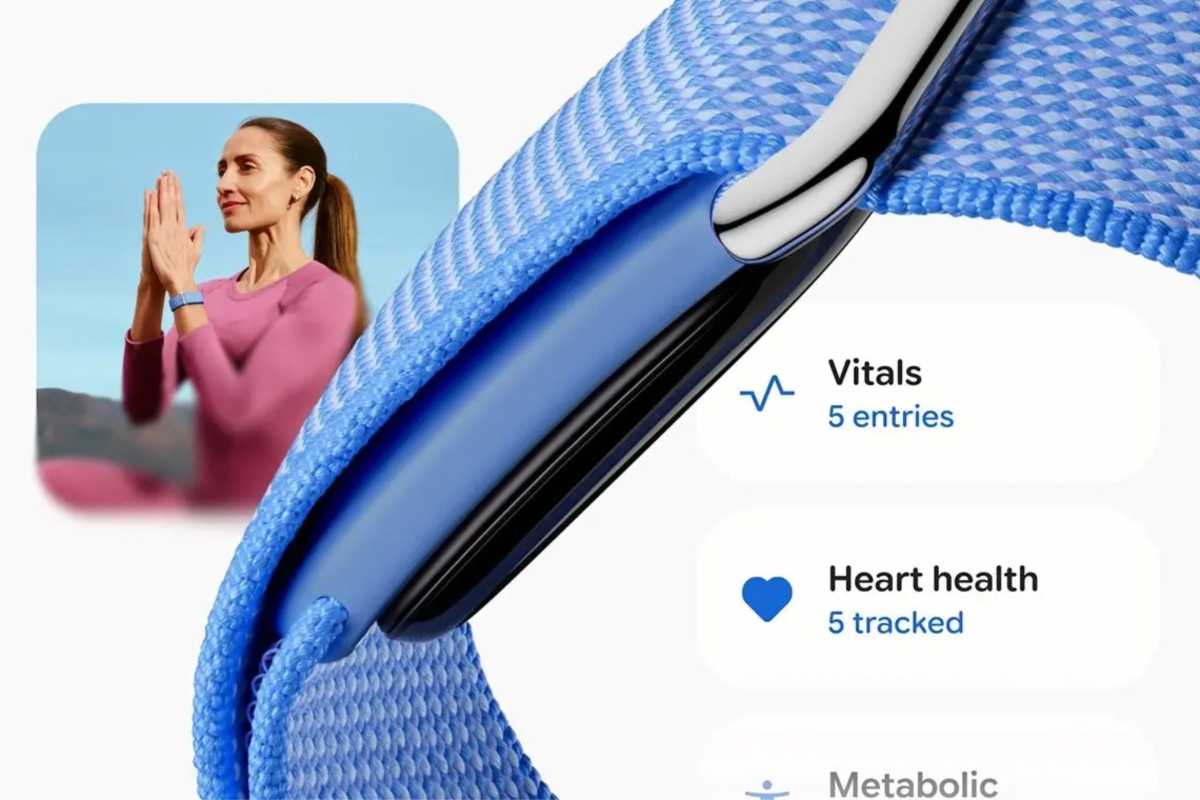
These include activity tracking, exercise modes, daily readiness score, cardio load, active zone minutes, calorie burn, goals, heart rate (including irregularities), stress management, skin temperature, sleep insights, and the (long) list goes on… Despite its sleek design, the Fitbit Air is a comprehensive fitness tracker that monitors more values than you’d expect.
Wrist rest
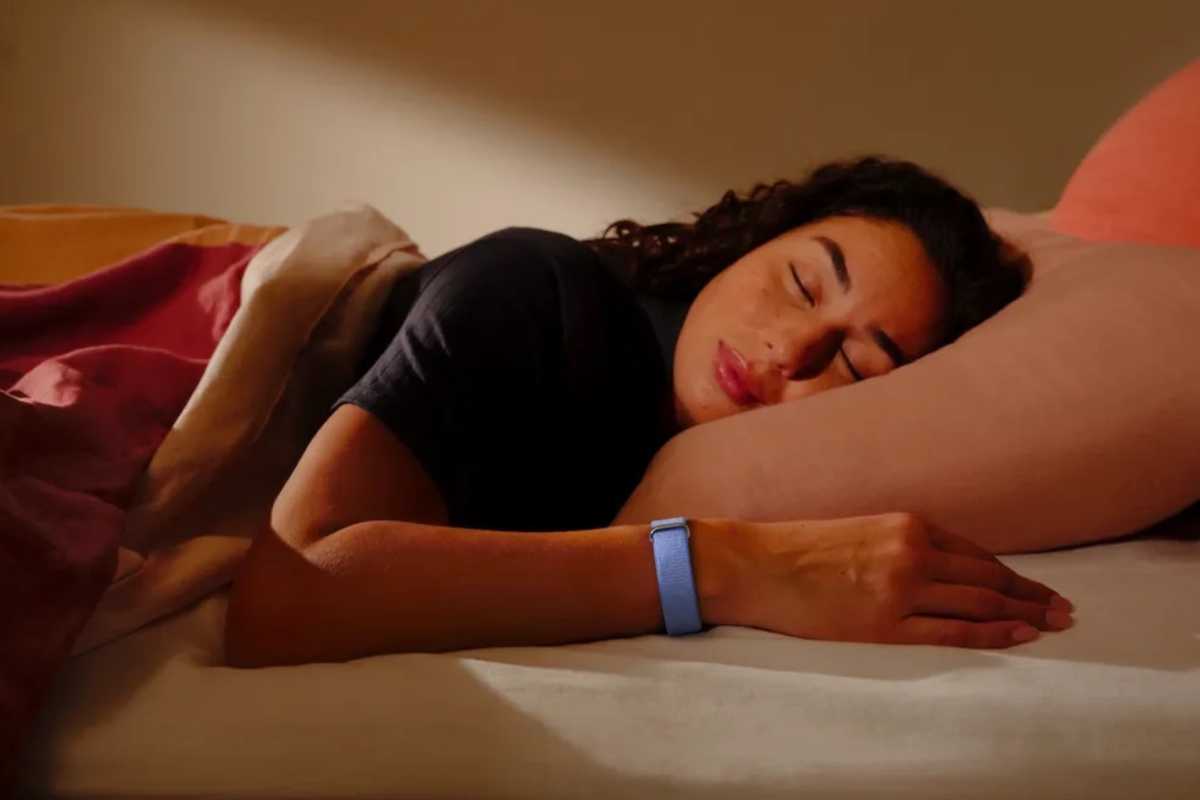
Another smartwatch annoyance is the above-mentioned bulk. Many users find it awkward to sleep while wearing their Apple Watches but are pushed to do so for overnight data collection. Plus, you’ve got to stay aware of your wrist’s movements throughout the day to avoid smashing its display against a rough surface. In general, the Apple Watch requires more care and is less durable, comfortable, and practical than wristbands like Fitbit. Fitness trackers are liberating in comparison.
A new Neo
One could argue that uninterested users can turn off most of the Apple Watch’s smart features to preserve battery, minimize distractions, and treat it as a basic fitness tracker. That doesn’t address its price tag, which starts at $249 for the SE model or $399 for the regular one. Given that the Fitbit Air costs just $100 and works with iOS, Google could attract budget-conscious iPhone users who can’t justify buying an Apple Watch SE.
An “Apple Watch Neo” that drops the display wouldn’t cannibalize standard Watch sales, as it’ll miss out on a ton of handy perks that power users depend on. Some of the watchOS features it would miss out on include music playback via AirPods, Maps, iMessage, and of course notification mirroring. A basic Neo fitness tracker would attract those currently seeking third-party options and potentially convert them to flagship Apple Watch users when they’re ready to unlock the wearable’s full potential.
Regardless of its exact specs and price, there’s no denying that a dedicated fitness tracker is missing from Apple’s product line. This is particularly surprising, as Apple has long been invested in personal health and continues to expand upon its established foundation. With its main rivals, Google and Samsung, offering simpler form factors through wristbands and smart rings, Apple is ignoring a significant, untapped market. A heart rate sensor in AirPods Pro 3 is not a sufficient substitute.