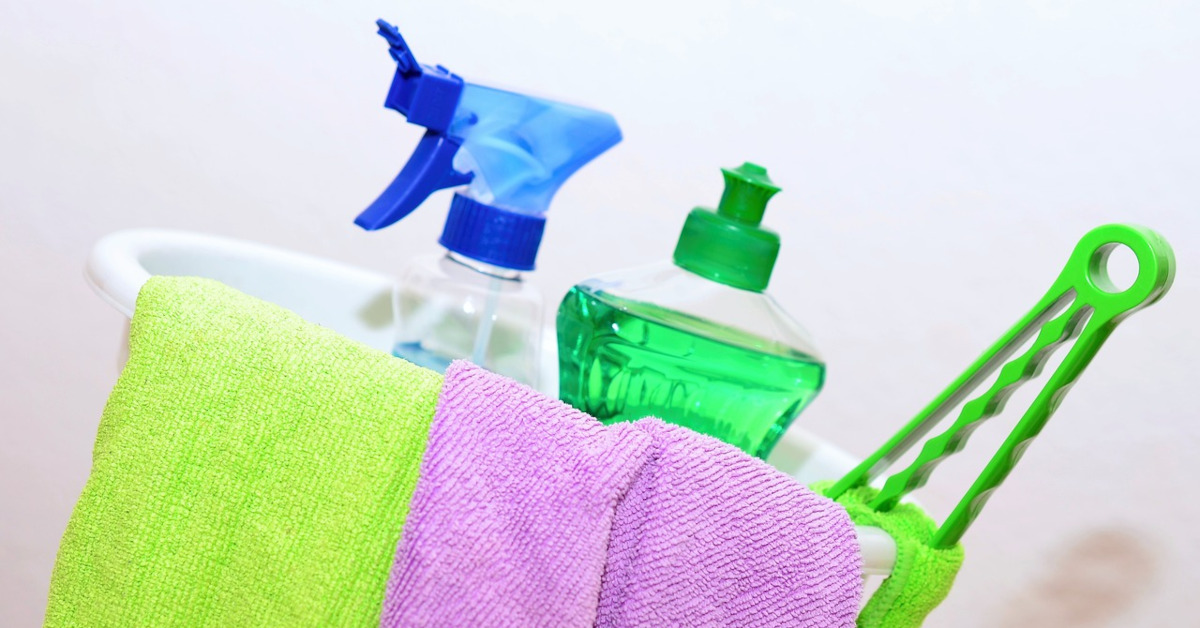
Image by congerdesign from Pixabay
Your walls are often the largest visible surface in any room, yet they’re frequently overlooked in regular cleaning routines. Over time, dust accumulates, scuffs appear, and walls can begin to look dull and tired. The good news? Maintaining clean, fresh walls doesn’t require extensive effort or specialized equipment. With a simple, consistent routine, you can keep your walls looking pristine year-round while preserving their finish and extending their lifespan.
Understanding Your Wall Surfaces
It’s important to recognize that different wall finishes require different approaches. Most homes feature either matte, eggshell, satin, or semi-gloss paint finishes. Matte finishes are more delicate and prone to damage from aggressive scrubbing, while semi-gloss finishes can handle more robust cleaning. Identifying your wall type will help you choose the most effective and safe cleaning method.
Dust and Cobweb Removal
Begin your weekly wall maintenance by removing surface dust. Use a microfiber cloth or soft-bristled duster attached to a long handle to gently wipe walls from top to bottom. Pay special attention to corners, ceiling edges, and areas around light switches where dust tends to accumulate.
Target Problem Areas
While dusting, identify any visible scuffs, smudges, or marks on your walls. Rather than waiting for a deep clean, address these spots immediately using appropriate methods for your wall finish.
The Magic Eraser Method
Magic erasers are remarkably effective for removing stubborn marks, scuffs, and light stains. However, use them cautiously on delicate finishes. Test the eraser on an inconspicuous area first. For matte finishes, use gentle circular motions rather than aggressive scrubbing. The slightly abrasive nature of these erasers can remove marks without damaging most paint types when used carefully.

Image by Hanjörg Scherzer from Pixabay
Gentle Washing Solution
For a more thorough monthly cleaning, prepare a mild wash solution with warm water and a few drops of dish soap. Dampen a soft cloth – not soaking wet – and gently wipe walls in sections. Work from top to bottom so any drips flow downward. Rinse your cloth frequently in clean water to avoid spreading dirt around.
Scuffs and Shoe Marks
Shoe scuffs are particularly common in hallways and near baseboards. These often respond well to gentle rubbing with a slightly damp cloth. If they persist, a magic eraser applied lightly usually does the trick.
Greasy Buildup
Kitchens and dining areas often develop greasy residue from cooking and eating. Address this with your mild soap solution, using slightly more soap than usual. For stubborn grease, adding a small amount of white vinegar to your cleaning solution can help break down grease buildup without damaging paint.
Water Stains and Marks
Water stains from splashes or humidity can often be removed with a damp microfiber cloth. If stains persist, a mixture of equal parts white vinegar and water applied to a cloth can help dissolve mineral deposits.
Utilize a Variety of Prevention Measures
Preventing wall damage is far easier than fixing it. Position furniture strategically to minimize wall contact and potential scuffing. Install protective corner guards in high-traffic areas, particularly if you have children or pets. Use wall-mounted shelving and artwork hangers that distribute weight properly to avoid permanent marks.Spring and fall are ideal times for more comprehensive wall cleaning. During these seasons, open windows for proper ventilation while washing walls, and take advantage of moderate temperatures that prevent cleaning solutions from drying too quickly.
Conclusion
Maintaining clean, fresh walls is achievable through simple, consistent routines that combine weekly dusting with monthly deep cleaning and spot treatment. By addressing issues promptly and understanding your wall finish, you preserve your home’s appearance while protecting your investment. A few minutes of regular attention keep walls looking new and vibrant.
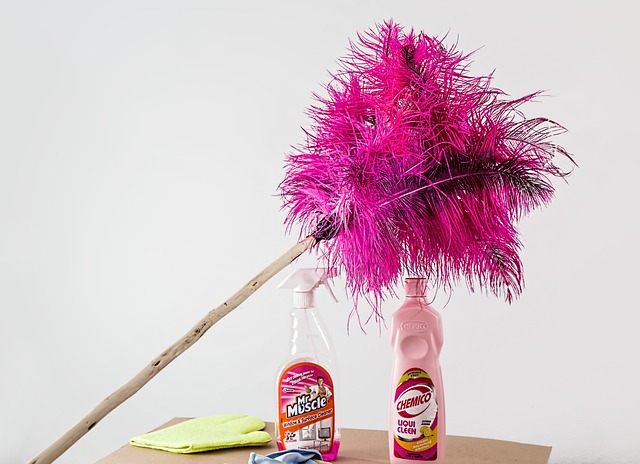
Image by Steve Buissinne from Pixabay