It’s been almost 12 years since Apple unveiled its smartwatch to the world, and if you compare that first model to the newest Series 11, you’ll see that a lot has changed. Apple Watch has become slimmer, larger, and packed with more sensors. Even so, Apple continues to update its Watch every year with incremental improvements.
Now, when a new Apple Watch arrives, the reaction is more like, “Is anything new?” In fact, the latest models don’t differ much from one another, and some people are wondering when the next big change to the Apple Watch will come.
The thing is, it might be a long time before we see another radical change coming to the Apple Watch. That doesn’t mean Apple has stopped innovating, but rather that the Apple Watch has matured enough to establish itself as the leading smartwatch maker and one of the top wristwatch makers in the world. And while its Android competitors might think they’re keeping pace, they’re actually very far behind.
A mature platform
When the original Apple Watch launched in 2015, the entire category felt experimental. Apple’s early vision for the product wasn’t even entirely clear. The company talked about communication, fashion, fitness, productivity, apps, and luxury all at the same time during its introductory keynote.
Over time, the usage patterns of Apple Watch buyers revealed what people really wanted. Most users didn’t care about the luxury factor, nor did they want to replace their smartphones entirely. They simply wanted something to do basic things like check notifications and other quick updates without pulling out their phone.
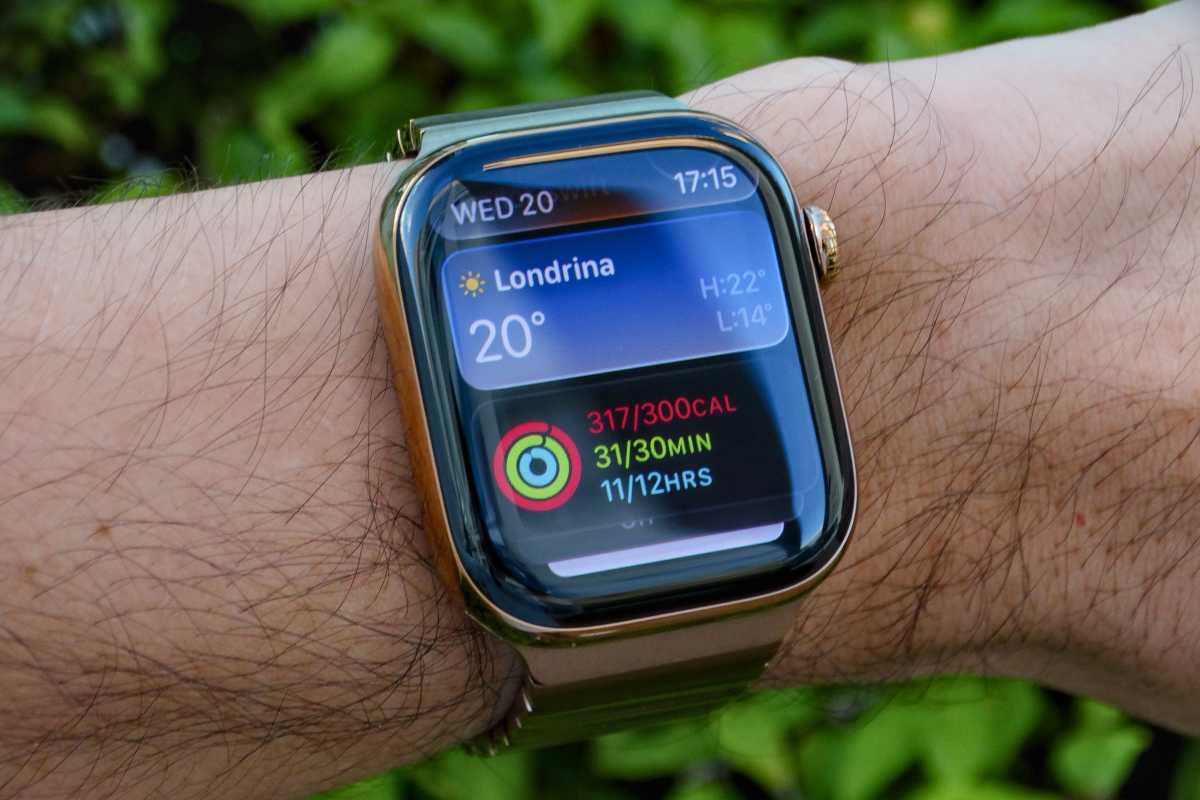
The Apple Watch has a familiar, easy-to-use interface that’s been crafted over a decade of evolution.
Foundry
Apple also discovered that users were most interested in health and fitness features. By the time the Apple Watch Series 2 was released, Apple already had a clearer vision of what the future of the Apple Watch should look like.
The Apple Watch can now take ECGs (Series 4), track blood oxygen levels (Series 6), measure wrist temperature (Series 8), and much more. The interface has also been continuously updated to make it more practical and convenient, showing useful information at a glance. At the same time, the design now looks more modern, yet still quite familiar.
But the excitement between generations is largely gone. For instance, the Apple Watch Series 11 introduced 5G connectivity, slightly better battery life, and improved durability. These are nice-to-have improvements, but they certainly don’t sound exciting to many people.
When people complain that Apple Watch updates have become boring, they’re not entirely wrong. The differences between recent generations are smaller than they used to be. But that’s also true for many mature product categories.
Smartphones no longer evolve as dramatically as they did 10 years ago. The same applies to laptops. Once companies figure out the ideal balance between hardware and software, improvements become more focused on refinement rather than reinvention. The Apple Watch seems to have reached that point.
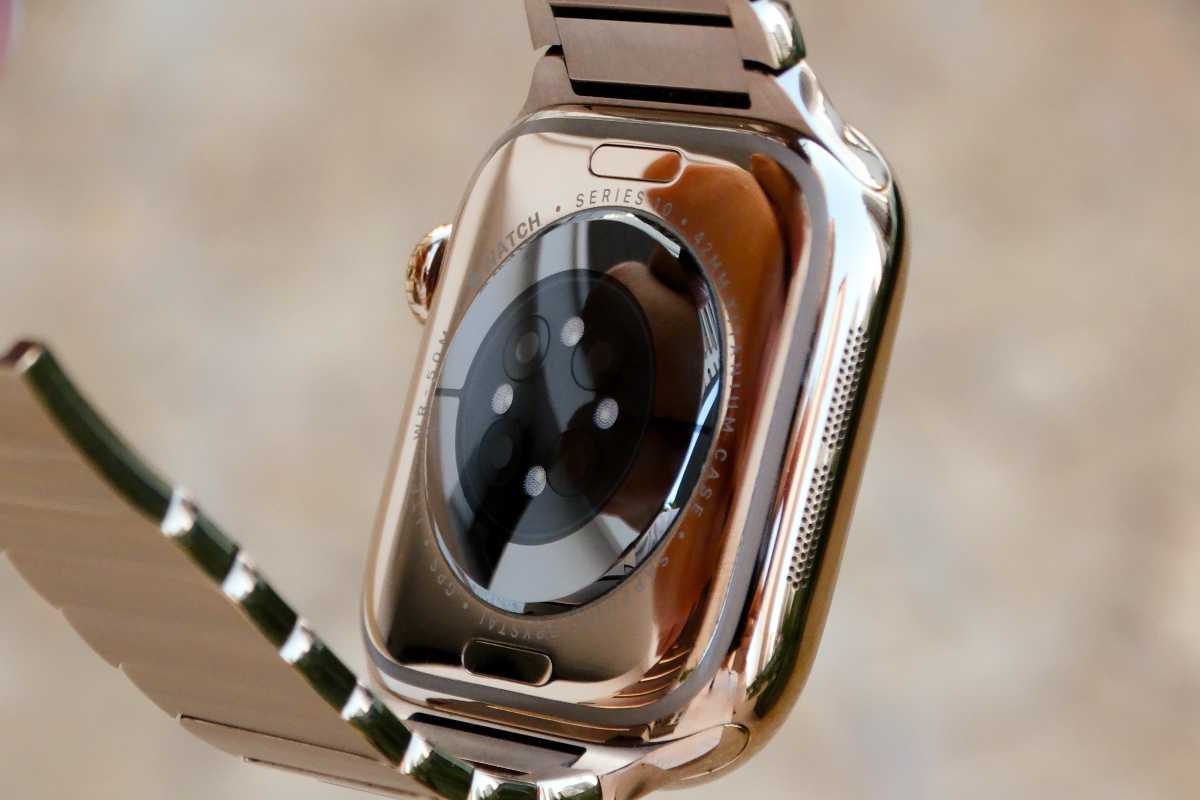
The Apple Watch design has evolved, but there are few notable changes between generations.
Foundry
For instance, the transition from the original Apple Watch to the Series 4 felt huge. Apple introduced a significantly larger display, a more modern design, and an ECG sensor. The evolution from Series 4 to Series 11, however, feels much smaller. And honestly, that’s fine.
The Apple Watch already does most things people expect from a smartwatch extremely well. Notifications are reliable, fitness tracking works great, health features have become incredibly advanced, and the integration with the iPhone remains unmatched.
Competition lagging behind
Looking at the smartwatch landscape, it’s clear that other smartwatches have also improved significantly. For Android users, there are great options such as Google’s Pixel Watch. Garmin remains unbeatable when it comes to battery life and advanced fitness metrics. And just this week, Samsung unveiled the Galaxy Watch 9 and Galaxy Watch Ultra 2 with AI fitness coaching and more accurate health tracking.
Even so, none of these products can beat the full Apple Watch experience on its own. The Apple Watch still feels like the default smartwatch for most people, especially for iPhone users. In fact, it’s hard to think of another wearable that integrates so seamlessly and simply with any other ecosystem.
This is due, in large part, to the advantages of Apple’s Continuity features. Users love features like unlocking their Mac with their Apple Watch, syncing health data across devices, or quickly pinging their iPhone with just a tap, not to mention the integration with Apple Fitness+. Competitors still struggle to fully replicate that experience.
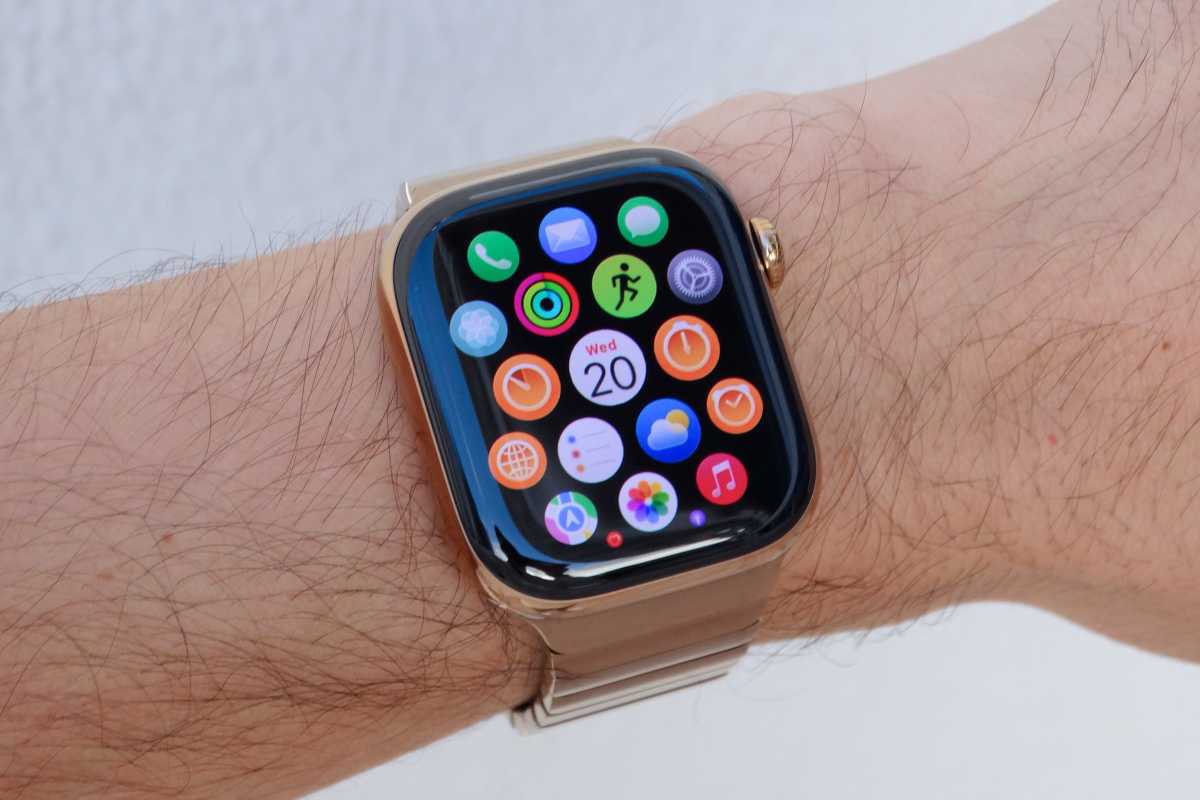
None of Apple Watch’s competitors can compete with the smarts and simplcity of watchOS.
Foundry
That’s why the Apple Watch feels so mature today. It’s no longer trying to prove itself with experimental ideas or flashy concepts. It has already figured out what most people expect from a smartwatch, and now it simply does those things better than anyone else.
Plus, Apple just announced watchOS 27, which brings Apple Intelligence and the new Siri AI to the Apple Watch for the first time. Gemini support was one of the main advantages of buying a Pixel or Galaxy watch, and even though the new Siri will require a nearby iPhone, it takes away one of the few reasons to consider an Android watch.
Some companies are taking a very different approach, such as Samsung with the Galaxy Ring, Google with the screenless Fitbit Air, and Garmin’s new CIRQA Smart Band. Still, these products don’t have the same appeal as the Apple Watch. They just feel incomplete compared to a fully integrated communication device.
Room for improvement
At this point, Apple doesn’t need another major Apple Watch redesign. It doesn’t need a camera on your wrist or some other flashy feature that only looks impressive in advertisements.
What the Apple Watch really needs now is to continue gaining quality-of-life improvements. Specifically, better battery life.
The Apple Watch battery has improved over the years, with fast charging support arriving in 2021 and last year’s models getting a significant battery life boost to 24 hours. But after almost 12 years, it’s still a device that requires daily charging, forcing users to find charging windows during the day. And while most Apple Watch owners adapted to this routine, it’s still the biggest compromise of the product.
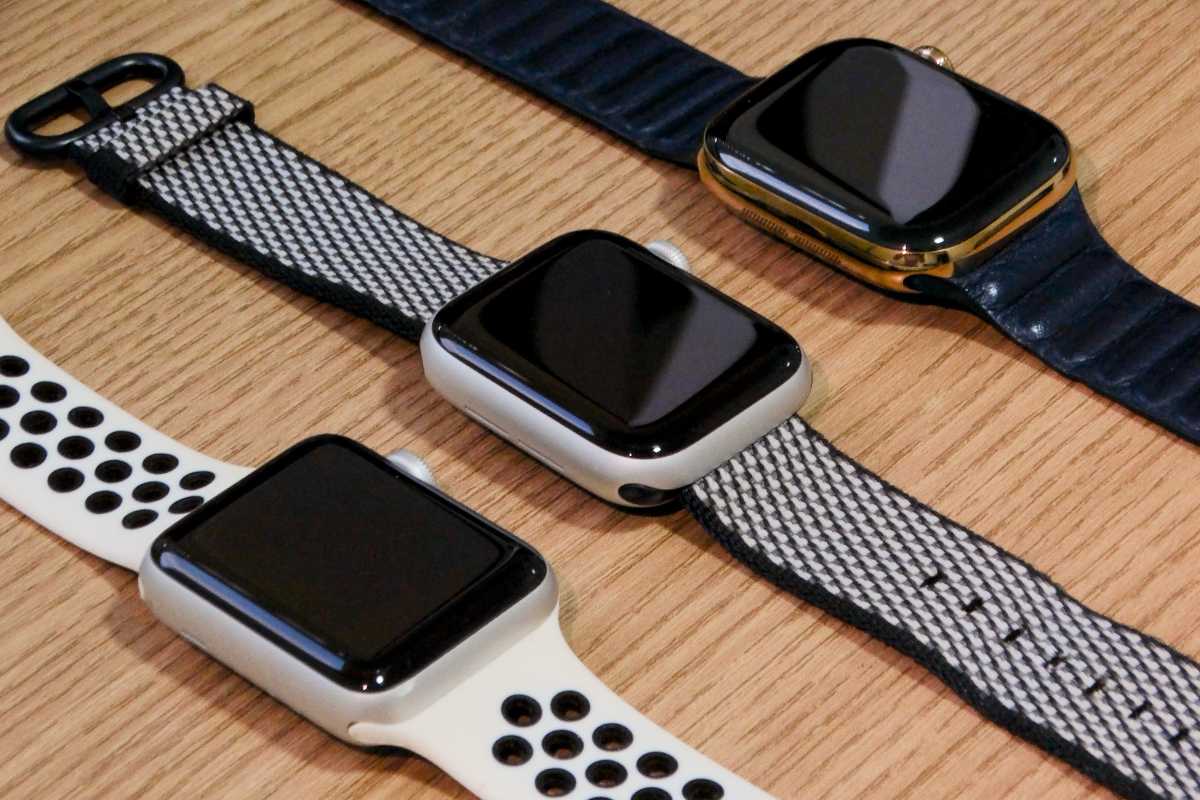
The Apple Watch is iconic in a way no other smartwatch is.
Foundry
Users are no longer asking Apple to reinvent what the smartwatch is supposed to do. Most users already seem satisfied with the overall experience. What they want now are improvements that make the device more practical.
These changes may not sound all that exciting, but they would improve the Apple Watch experience far more than a dramatic redesign or a radical hardware overhaul. This just highlights how mature the Apple Watch has become.
Apple doesn’t need to reinvent the Apple Watch because it already figured out what most people want from a smartwatch. At this point, the future of the Apple Watch isn’t about a dramatic change, but rather about refining what already works very well.