Hard to believe, but Beats by Dr. Dre has officially been part of Apple for 12 years now — and the brand itself turns 20 this year. Suffice it to say, it’s a brand that has continued to evolve and drastically improve its quality over the years, all while maintaining its cultural relevance.
That second part is the surprising one. When Apple bought Beats in 2014 for around $3 billion, the conventional wisdom was that it had paid a lot of money for a cultural brand, and that the hardware would eventually be folded into Cupertino and quietly retired. Beats Music did get absorbed, becoming Apple Music. Most people assumed the headphones would follow.
Instead, the opposite happened.
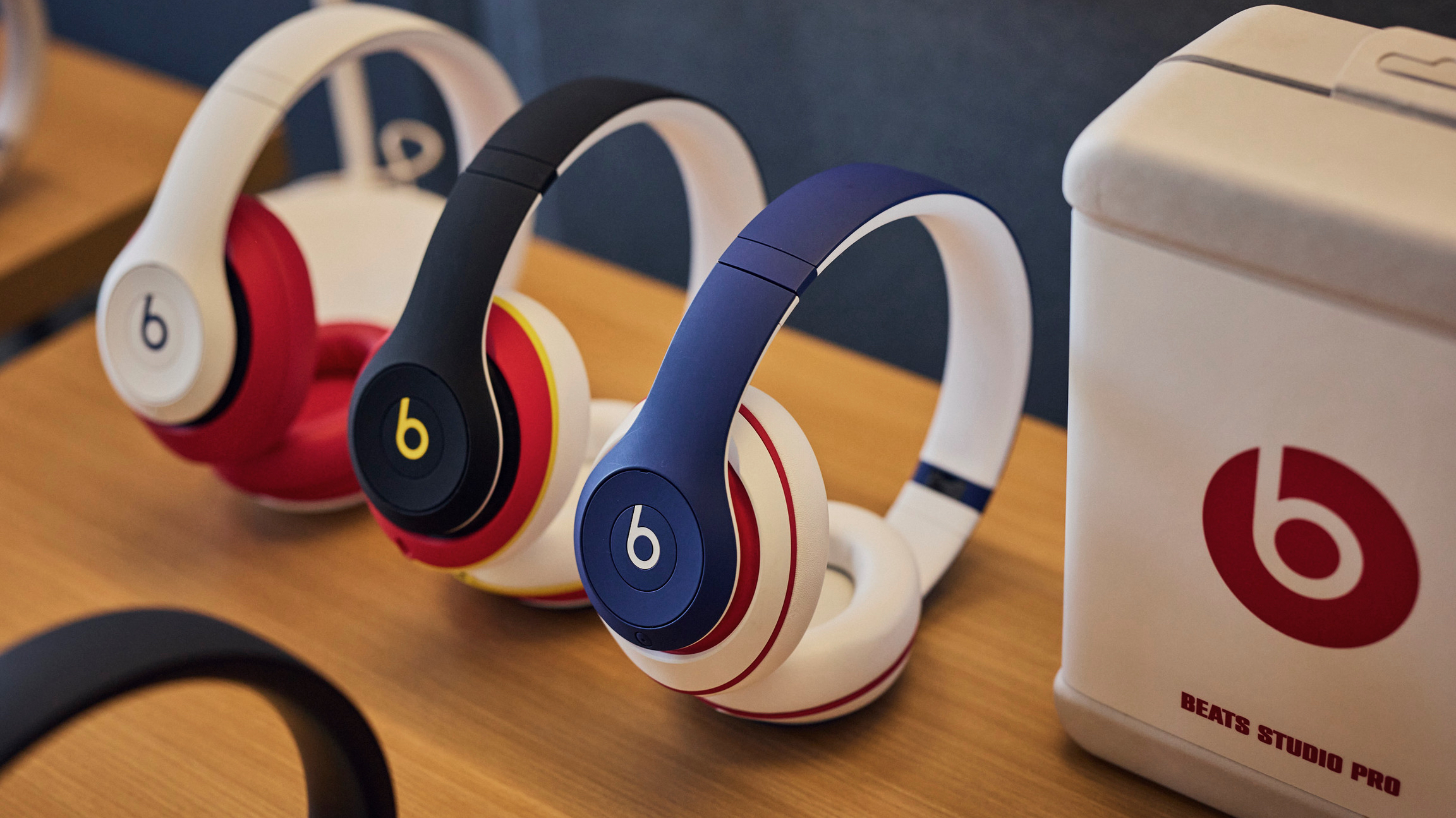
We’ve all been out and about and spotted the iconic “b” logo on headphones and earbuds, but we’ve also seen it on athletes, musicians and celebrities alike — and never more so than this summer. An unannounced pair of Beats over-ear headphones has quietly spent months appearing on some of the world’s most photographed athletes, first on Lamine Yamal, then across the FIFA Club World Cup on Antonee Robinson, Lee Kang-in, Jamal Musiala, Ritsu Doan, Kobbie Mainoo, Antoine Semenyo, and Nico Paz, before surfacing at Wimbledon on Aryna Sabalenka and, most recently, on LeBron James.
By the time Sabalenka stepped onto the grounds at Wimbledon wearing a pair, an FCC filing had already confirmed the existence of a real product with a real model number. What it didn’t confirm was anything else — no name, no price, no release date. Months of conversation, generated by a company that, as of this publishing, still hasn’t announced the headphones at all.
So with Beats turning 20 and 12 years inside Apple, I spent two days inside the brand’s Culver City campus — the first and only journalist granted access to the offices and the engineering labs — to understand how it keeps creating these moments.
I expected to see more of the surface of Beats: the campaigns, the partnerships, the customs. I found something considerably deeper. Beats has quietly become a brand that kept its cultural identity while evolving into one of Apple’s most sophisticated hardware organizations.
Apple didn’t replace Beats
The location tells part of the story. What began as Beats’ independent headquarters is today part of Apple’s Southern California campus, with the original building still home to much of the audio brand’s team. Just steps away are other Apple organizations, including the relatively new Apple Music building, creating a campus where music, design, engineering, and culture intersect. It’s a fitting setting in the Hayden Tract, a neighborhood whose history spans Hollywood production, aerospace, and some of Southern California’s most ambitious creative architecture.
And Beats clearly has a bench of in-house resources for making a product. Design, engineering, tuning, and quality all sit within a short distance of one another, across two buildings — the main offices and a separate engineering facility built specifically for the brand.
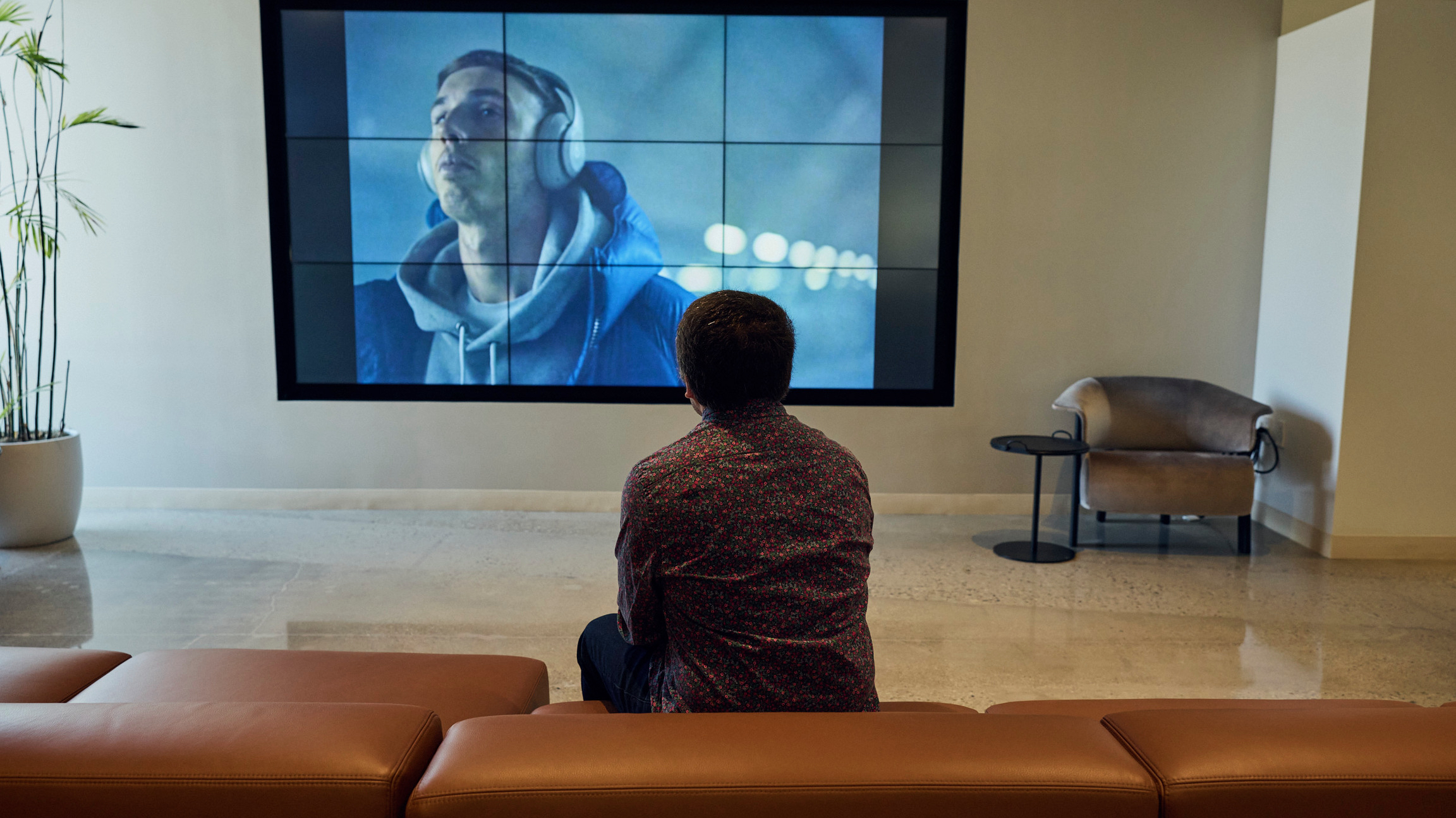
Past security, though, it feels like a modern office. A massive video wall cycles through Beats campaigns featuring athletes, musicians, and creators. Product photography fills the hallways. Open workspaces stretch across the building. It feels creative, colorful, and unmistakably Beats.
The culture never left it — it grew with it
Oliver Schusser, Apple VP of Beats, Music and Sports
More striking than the office itself were the people inside it. Many of the employees I met had been with Beats long before Apple acquired the company, and more than a decade later they’re still designing products, building custom headphones, and shaping the future of the brand. The teams are surprisingly small, and there’s a passion for Beats that still feels closer to a startup than to one of the world’s largest companies.
“Twenty years is a long time for any brand to stay relevant, but what makes Beats unique is that the culture never left it — it grew with it,” said Oliver Schusser, Apple VP of Beats, Music and Sports. “The people, the partnerships, the music, the sport — that’s not a marketing strategy, that’s who this brand has always been. Our job has been to make sure that never changes.”
That continuity is something Matthew Costello, VP of Hardware Engineering at Apple, has watched from the inside. “We were a young company when we got acquired,” he said.
“We were very, very small back then.” A lot of the core engineering and operations team who were in the building on August 1, 2014 — the day the deal formally closed — are still in it. “What we’ve managed to do is sort of combine the teams that existed from Beats and sprinkled in some Apple expertise as well on top of that.”
My first stop wasn’t engineering, though — it was the customs team.
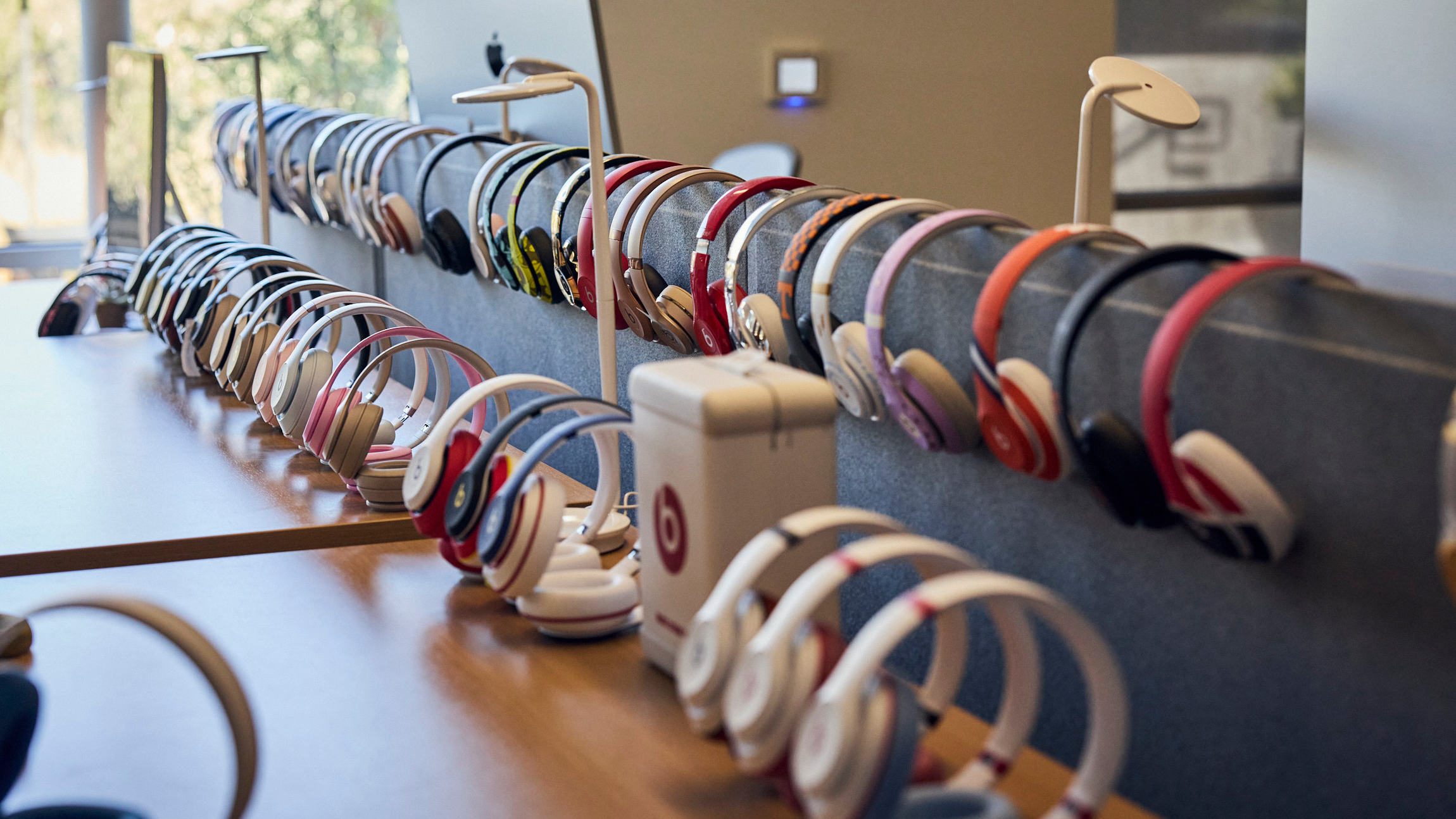
Spread across the desks were Studio Pro and Solo headphones unlike anything consumers can buy. Some existed as a single pair, made specifically for an athlete, musician, or celebrity. Others were produced in runs of only a few hundred. One pair featured a rough, cement-like texture across the ear cups. Another experimented with entirely different materials for the iconic Beats “b.” Every design felt like an opportunity to try something new.
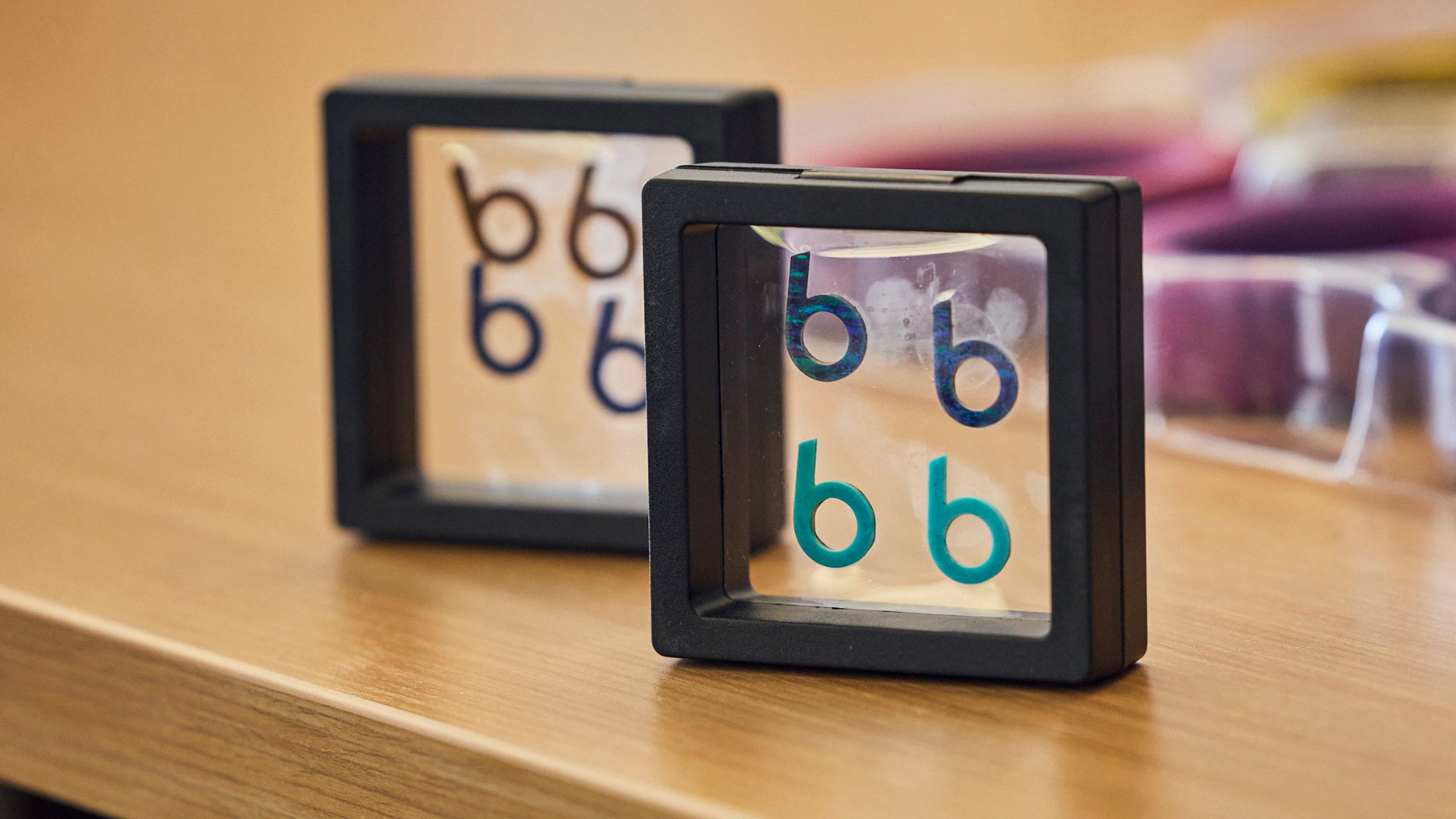
It’s a remarkably small team, made up of designers and craftspeople whose job is to experiment — people who hold the relationships with talent, work out what matters to them, and hand that to designers who can play with colors and finishes until there’s something worth building.
Chris Thorne, Beats’ CMO and head of product, says it runs in both directions. “Sometimes we’ll surprise them and say, ‘Hey, look what we made for you,’ and hopefully blow their mind,” he told me. “And sometimes they’re in the process, and they come to us and say, ‘Hey, I have this idea, this thing’s really special to me, is there any way I can make a headphone for that?’”
Upstairs, in a lab of sorts, is a wall holding what I’d estimate is only 10 to 20% of every custom Beats has ever made. There was a pair for Lionel Messi with Inter Miami on one ear cup and Argentina on the other. Another celebrated LeBron James and his son. Others had been built for Kim Kardashian’s holiday party.
For Schusser, the wall is proof of something deliberate. “Beats sits at the center of culture, sport, fashion and entertainment, but none of that exists without music as the foundation,” he said. “That’s the thread that runs through all of it.”
Then I spotted something familiar: at a previous FIFA tournament, players wearing Beats had to tape over the logo, since FIFA counts another headphone brand among its partners. Rather than treat that as a problem, Beats leaned all the way into it — and there on the wall were customs with Xs printed over the Beats logo, the restriction turned into the artwork.
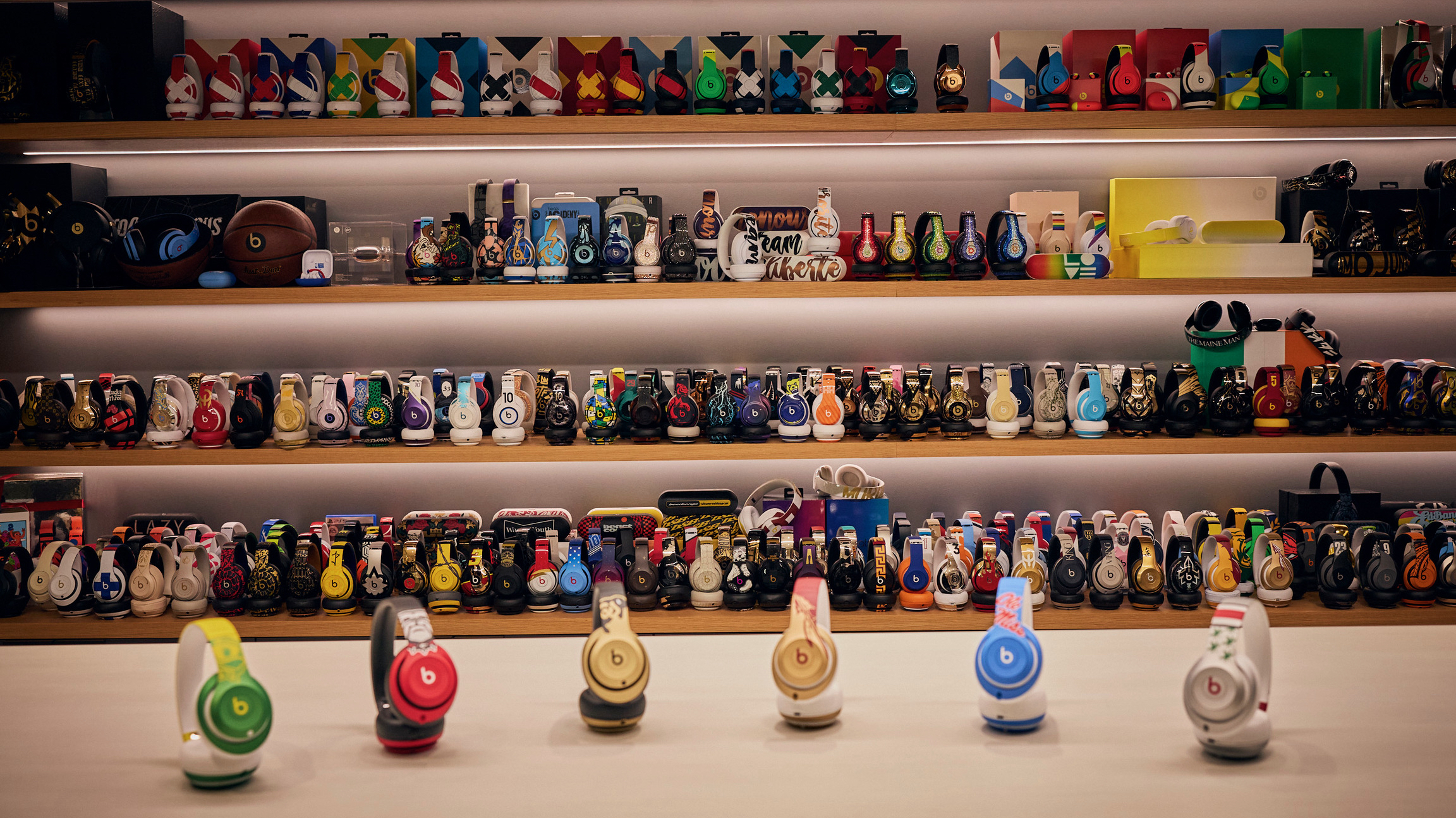
That’s the pattern, and once you see it, you can’t stop seeing it. Beats teased the Powerbeats Pro 2 by putting them on Shohei Ohtani. It’s doing the same thing right now with the over-ears nobody can buy. Long before consumers ever see a new Beats product, the company has often been putting it into the hands of athletes, musicians and creators, creating conversation months before a launch event is ever scheduled.
It works because of what the brand has come to mean to those people. “Beats transformed headphones from a purely functional accessory into something much bigger,” Schusser said. “They became a global status symbol and a cultural icon. You see them embraced by athletes, musicians, and celebrities, and they’ve become woven into the fabric of hip-hop, sports, and streetwear as an expression of style and identity.”
But the customs room is doing something else, too, and it’s the part that surprised me most. Many of the colors, finishes, and materials first explored here eventually find their way into products consumers can actually buy. Thorne describes the team as an incubator — an experimentation platform, in his words, that he thinks is genuinely differentiated in the category.
The one-offs are “amazing in process, experimental, with colors and materials, finishes, and all kinds of different ways of looking at a headphone,” he said, “that, over time, lead to consumer products that we launch.” A texture that starts as a one-off for a single athlete can end up as a retail colorway years later. The room isn’t simply preserving Beats’ history — it’s a research lab, or an experimental playroom, for what the brand sells next.
Walking out of Customs, it would be easy to think of Beats as primarily a marketing operation, but next up I was treated to an inside look at what goes on under the hood.
The other half of the story
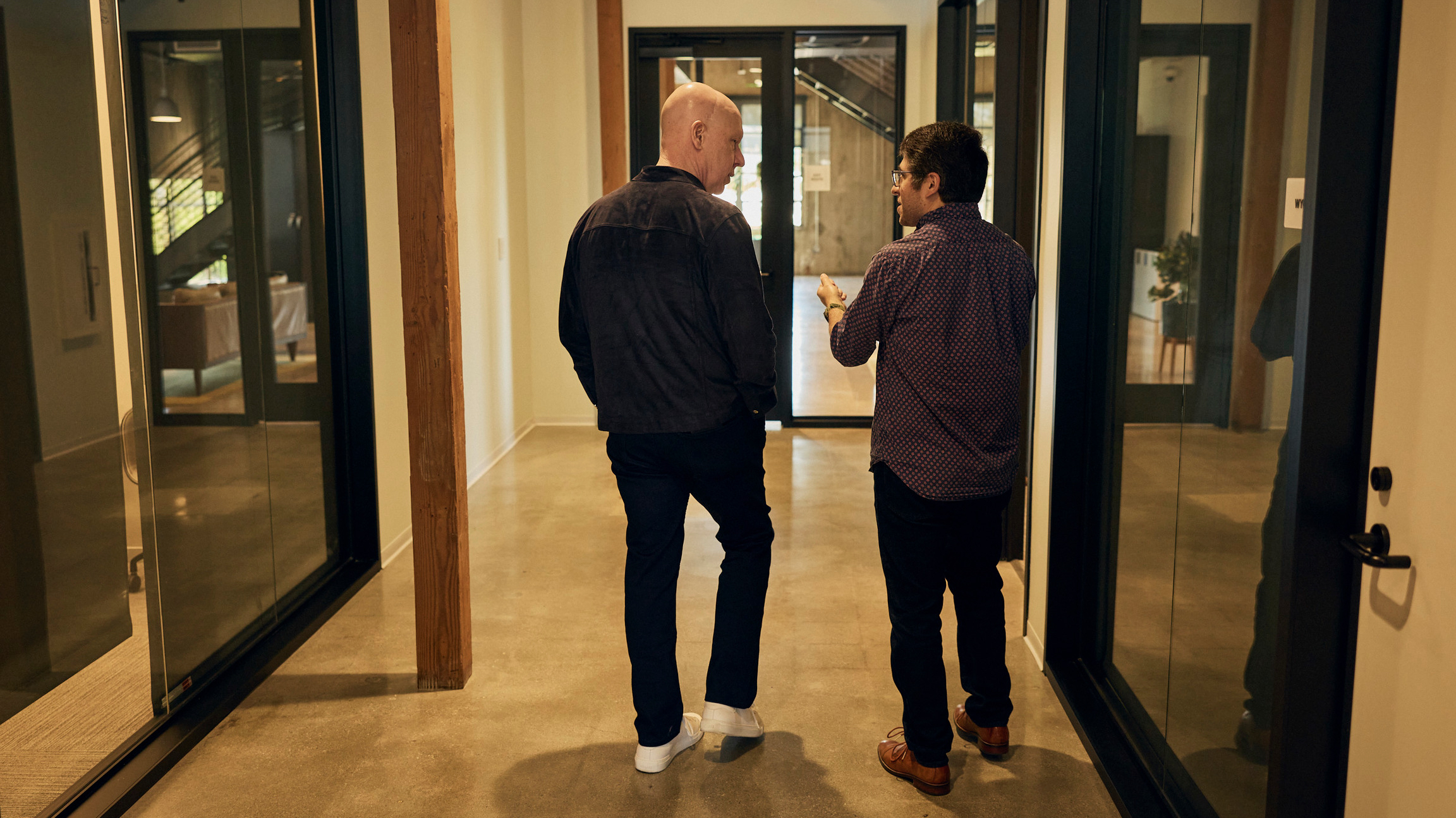
The engineering building is a separate space, and it’s where Beats cements its status as a hardware company.
Schusser put it plainly. “When I talk to people about Beats, they’re sometimes surprised to learn how much of what we do is fundamentally an engineering story,” he said. “The investment we’ve made in the hardware — the testing, the tuning, the science behind the fit and the sound — that’s not something you see from the outside. But it’s the foundation everything else is built on.”
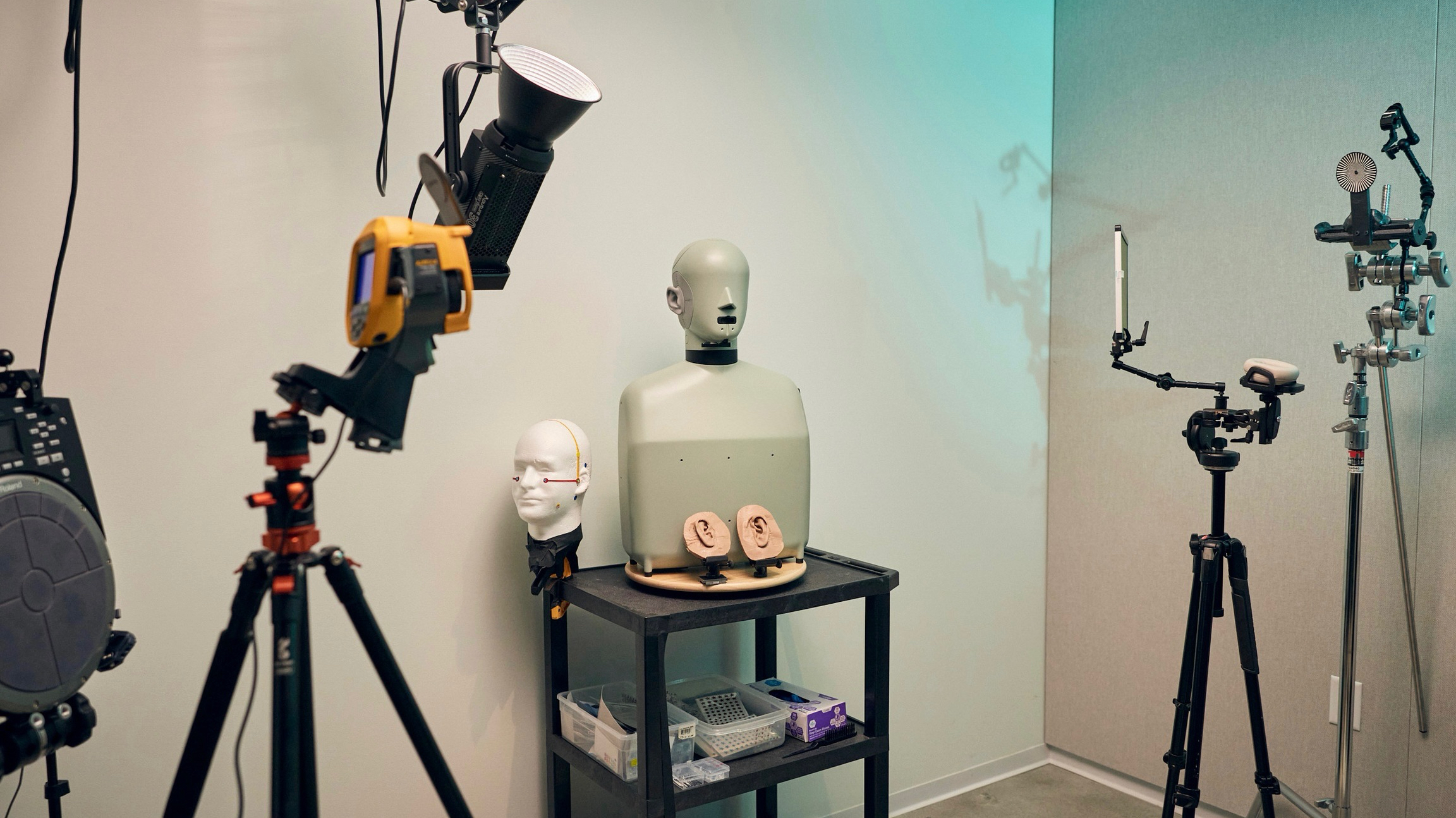
There are labs here dedicated to the study of human ears — the same discipline Apple has talked about for AirPods — and the data feeds designs for in-ears like the Solo Buds and Powerbeats Pro 2 as well as over-ears. There’s a quality lab lined with machines that test final units and, notably, customer returns. If something’s going wrong out in the world, they want to find out why here with a slew of dedicated machines.
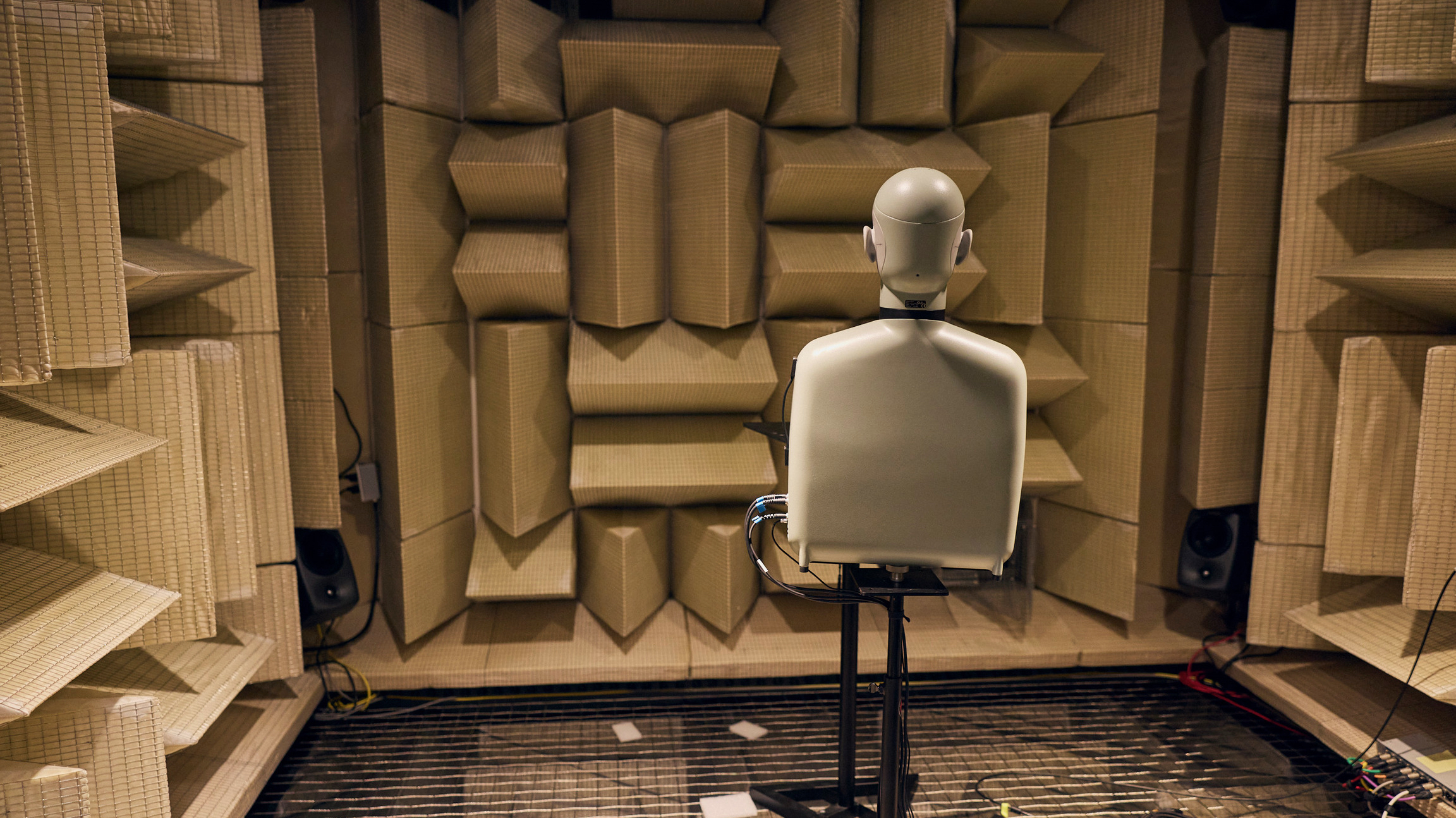
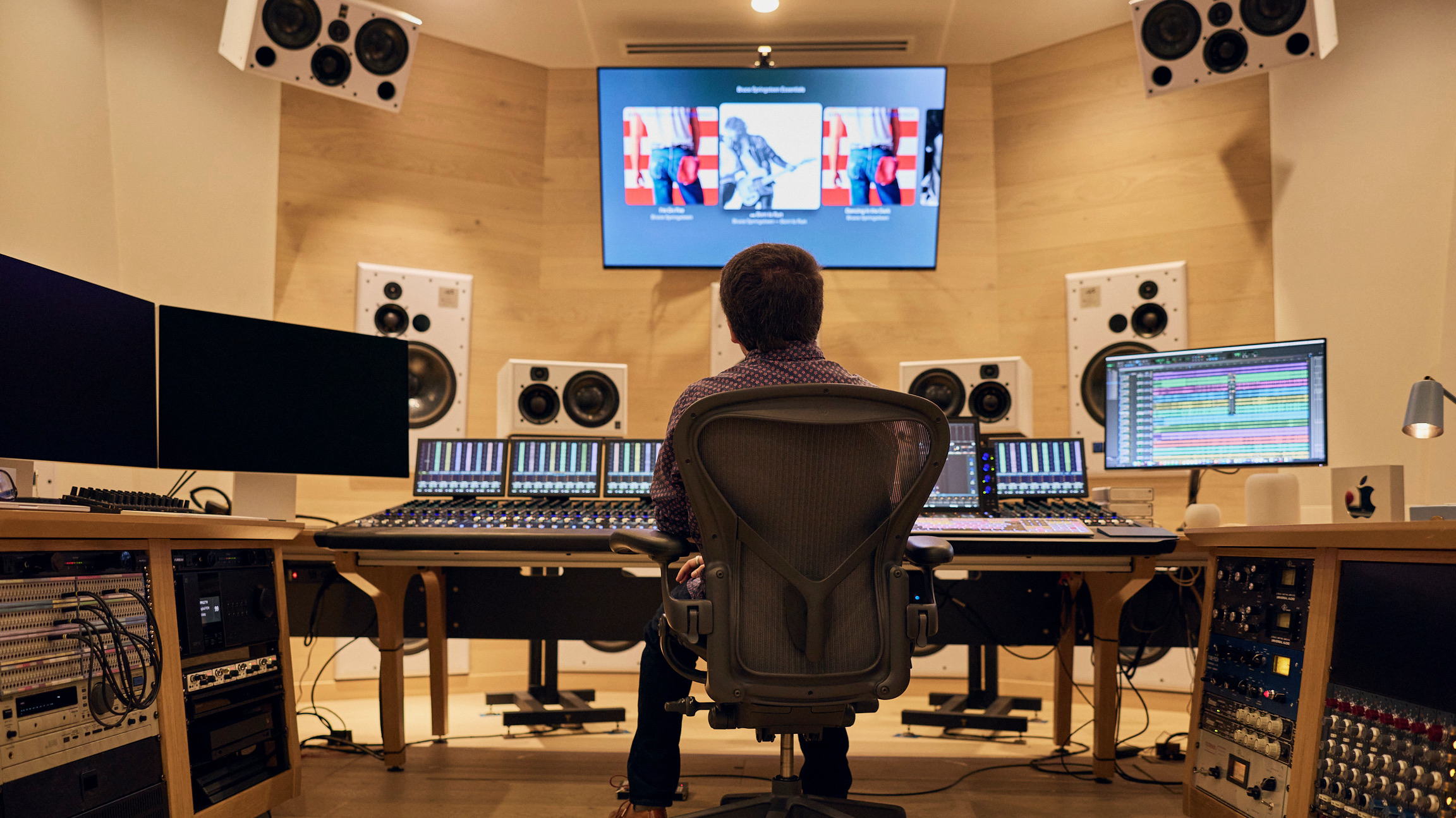
And then there are the anechoic chambers. Beats has five of them. Two are full-size, big enough to walk into. Once the door shuts and you’re standing on the suspended floor, it’s quiet enough that you can hear your own heartbeat. They’re used for everything from audio quality and active noise cancellation to voice pickup, and one of them houses a mannequin rigged with components that headphones get placed on. There are smaller chambers too, better suited to testing a speaker like the Pill.
Down the hall is the listening room and the tuning studio, where every Beats product gets its final voicing.
Costello leads engineering and operations across every Beats product — the earbuds, the over-ears, the cables, the cases, and the Pill. He’s been doing it long enough to have watched the brand go from an independent company to an Apple one, and when I asked what had changed and what hadn’t, he started with the thing that hasn’t.
“We’ve tried to stay true to the roots of the brand,” he told me. “As we’ve evolved the portfolio, one of the things we really focused on was making the products something that both we as Beats and Apple would also be proud of.”
The Beats sound, 20 years in
If you’ve ever dismissed Beats as bass-first, Costello won’t entirely argue with you about the early years.
“In the beginning it was super boomy,” he said, “and it’s sort of evolved from there.” The sound signature has moved steadily toward balance since then, though he’s clear that it’s a negotiation rather than a correction. “It’s always balance,” he said. “We hear from our customers what they appreciate.”
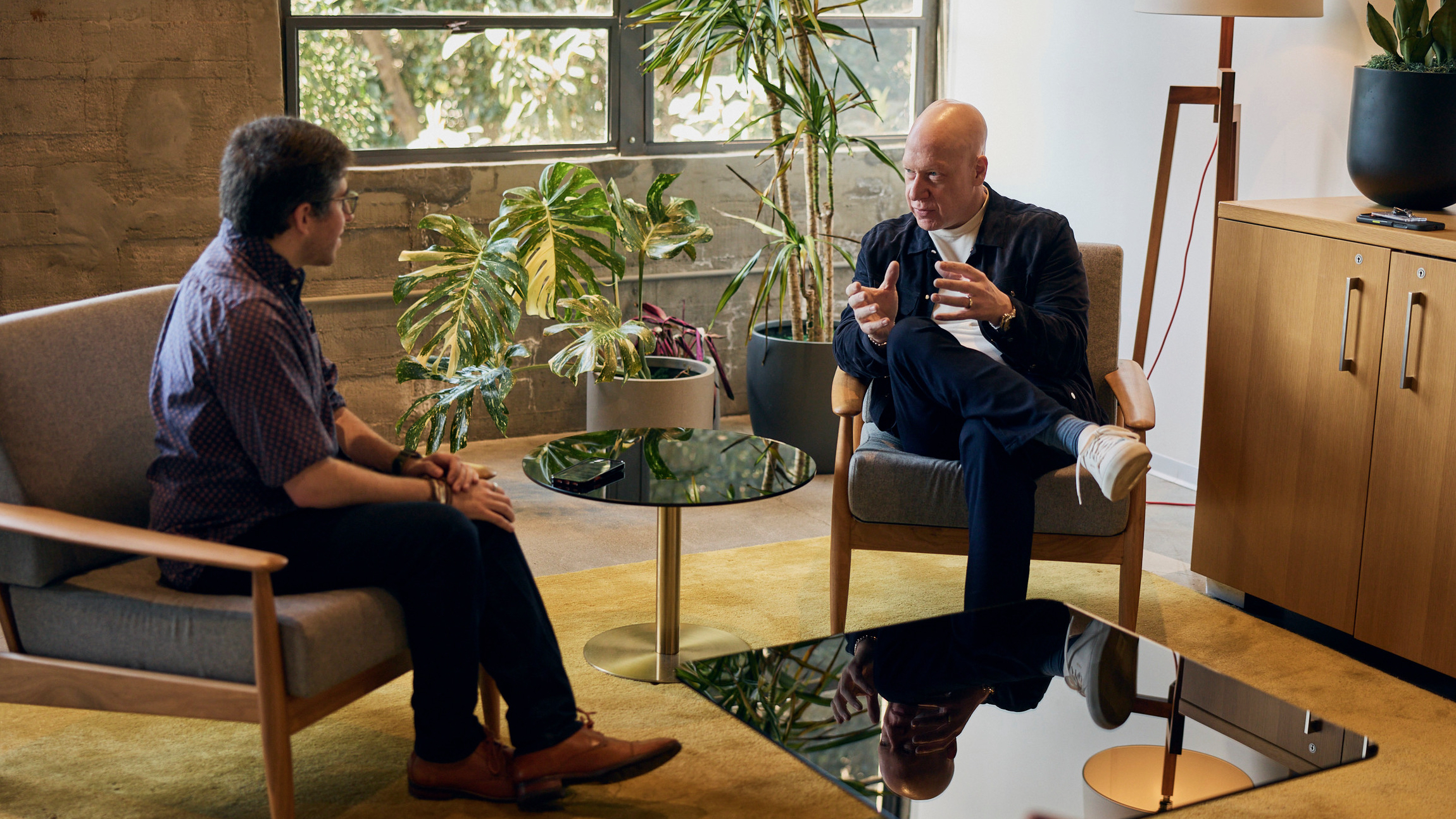
What’s changed most, he told me, is the speed of that loop. “That’s actually one thing that’s changed a lot over the last 15 years, which is the real-time responsiveness of customers and the feedback we’ve gotten. We’re able to adapt quickly.”
He described the development process as running in two directions at once. “We have both a forward-looking process, which is like tech forward from Apple, where we kind of know what technologies are coming,” he said. “But then also we take the feedback from the customers. It’s kind of a forward-looking, tech-forward process and also like a reverse-engineering process, to make sure we’re improving things as well.”
‘Everyone said it won’t work’
Ask Costello what he’s proudest of, and he doesn’t name a flagship, but rather says the wingtip on the Powerbeats Fit — the flexible tip that holds the earbud in place.
“When we started ideating that, everyone kind of said it won’t work,” he told me. The worry was that it sat awkwardly between an earbud and an ear hook: not stable enough, not flexible enough. He loves it anyway. “It’s just super seamless and easy, and it’s great for fitness, it’s great for all-day wear.”
To land on that final wingtip, the team worked through hundreds of variants — and that pattern came up more than once. Shrinking the Powerbeats case while keeping the buds securely retained inside it was, in his words, “a science project.”
Then there’s the Beats Studio Buds, which featured a custom chip — a first for the brand. The decision started with an idea that initially confused people internally when the team first pitched it.
“We took this bet that we would be sort of the dual ecosystem play,” Costello said. “When we first started socializing that concept, people were like, ‘Well, what does that mean?’ And we said, ‘Google and Apple together.'”
It worked, and it did something no custom colorway can. It “expanded our addressable market,” as he put it — and it’s the clearest answer I heard all week to why Apple keeps Beats around at all. Costello describes the whole portfolio as deliberately built to complement AirPods, a project dating back to 2016, and calls it one of the secrets of the last decade.
Beats sells to Android users. Beats sells at price points Apple doesn’t. Beats makes sporty, wing-tipped, brightly colored products. Apple’s own brand can’t do any of that without becoming something else.
The Studio Buds line produced one more surprise, and it came out of the workshop rather than the roadmap. I spoke with Costello and Thorne together to ask how it happened.
“It actually kind of happened by accident,” Costello said. As part of developing any product from the ground up, the team builds a transparent version so they can see what’s going on inside. “Both at Apple and Beats, we take both the external form as well as the internals very seriously. So we do a transparent, and we showed it to this guy here, and he had some thoughts about it.”
The guy in question was Thorne, standing next to him.
“We kind of take it upon ourselves to ask for the impossible of these guys, and they figure it out,” Thorne said. The transparent Studio Buds + he’d been shown “was never made for production or anything,” but marketing wanted it immediately and asked whether they could have it as a real product. “It was a very last-minute, crazy ask, but somehow you guys figured it out.”
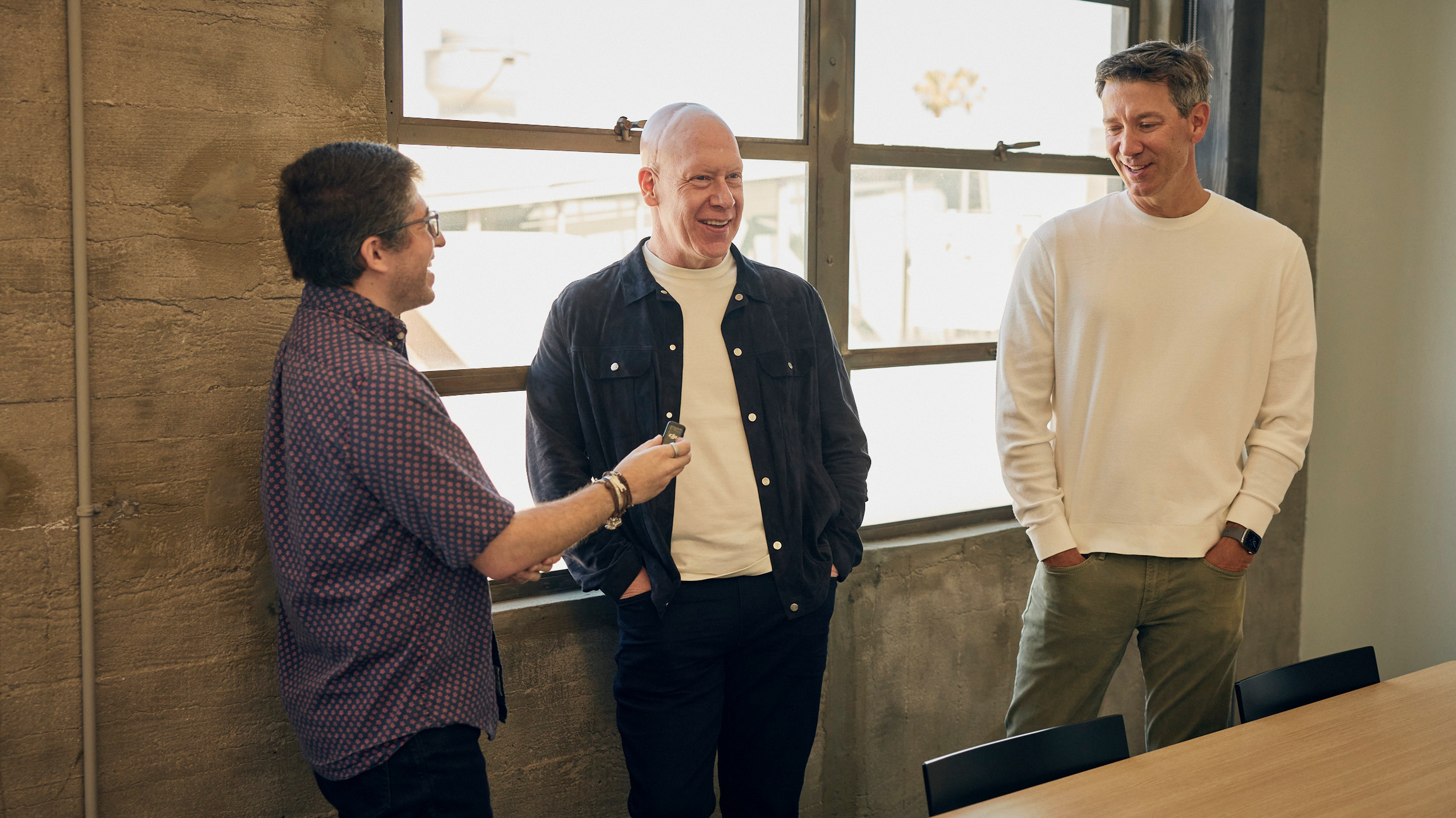
“We had to dial it in,” Costello said. “We had to make sure everything was in the right place, and everything looked like it was supposed to look, to make it production, customer-ready. But we turned that in a very, very short period of time. It was really fun.”
It shipped and was well received, but more interestingly, it changed what came after it.
“Consumers loved it so much because it was really special and unique,” Thorne said. “We had great other colors, but they really loved the transparent for Studio Buds +. When we set out to build Solo Buds, we started from a place of knowing we wanted that.”
The earbuds with a case that does nothing
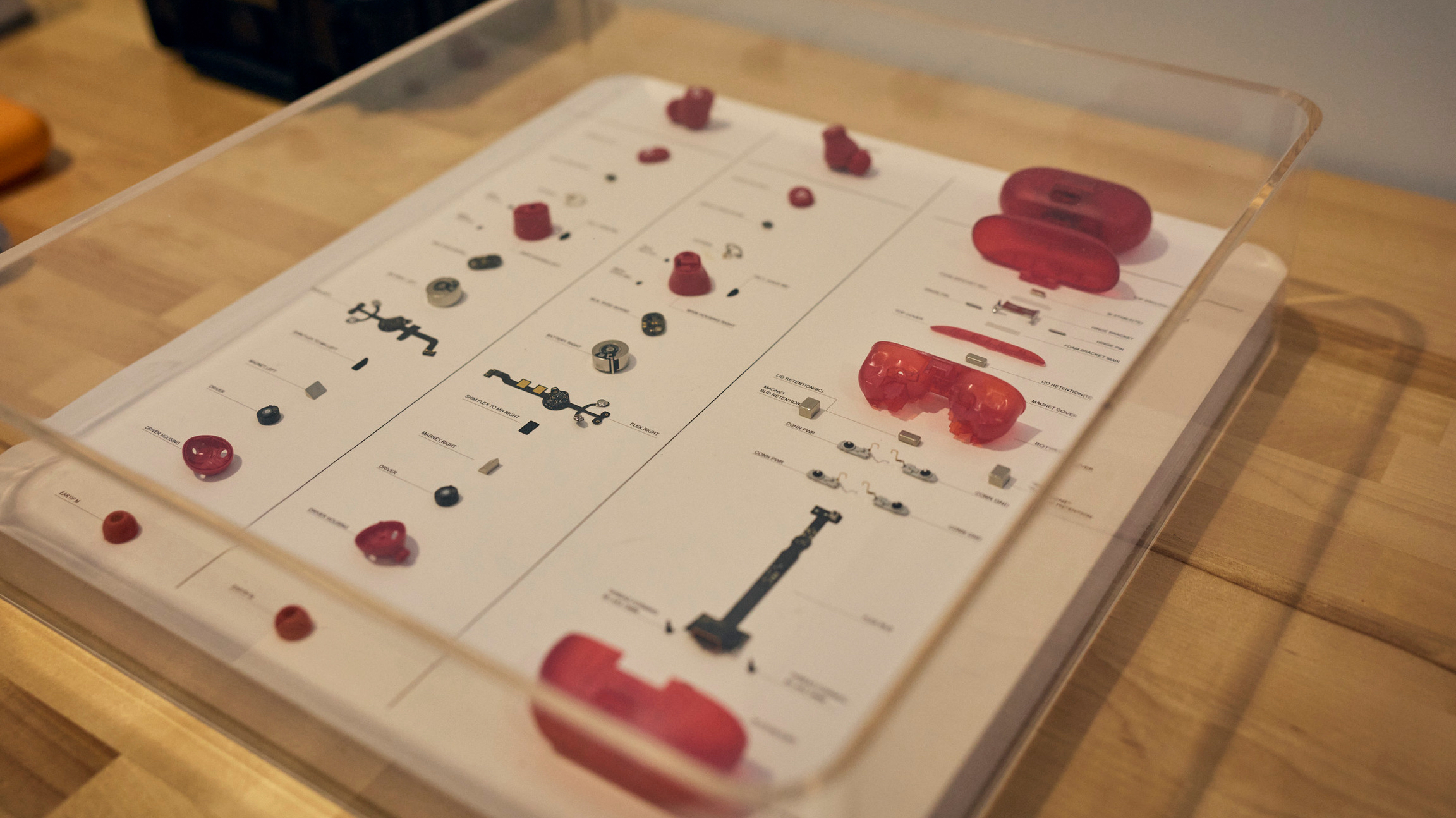
And that brings us to Solo Buds, priced at $79.99 / £79.99 / AU$129.95, and arguably the best example of how the Beats team thinks. The carrying case has no battery, no charging electronics, and no pairing button — which certainly raised eyebrows, both internally and externally. Solo Buds are ultimately the smallest case that Beats has ever shipped, and that Apple has ever made.
“Everyone was like, ‘Why would you do that?'” Costello said. “And it worked. The product is great, and the bud life is really all you need for all-day wear.”
What I find genuinely clever is that the decision forces every decision after it.
If the case can’t recharge the buds, the buds have to last a full day alone — hence a custom cell rated at 18 hours, better single-charge life than most flagship earbuds. And if the case has no electronics, it can’t tell the buds anything, including that it’s been opened.
So the solution is a physical switch hidden inside the case, which signals the earbuds to wake, pair, and run their checks the moment you lift the lid. Everything that does the actual work lives on the left and right buds themselves.
What you experience is completely ordinary: open the case near your phone, iPhone or Android, and the pairing card appears. It’s also extraordinary because it all happens without any electronics in the case.
What Apple actually gave them
Costello is direct about what the acquisition traded.
Beats kept its identity “from a form factor perspective,” he said, while gaining Apple’s infrastructure underneath it. Reliability, quality, environmental and wireless performance are now tested exactly as Apple’s own products are. “I’m amazed at how far you can walk across a room and still get good, solid Bluetooth performance with our latest today,” he told me.
We’ve been able to keep our identity and do things unique for Beats, but at the same time leverage the incredible capabilities of the Apple system,
Matthew Costello, VP of Hardware Engineering at Apple
“We’ve learned so much from the teams up in Cupertino, and leveraged the core technologies, the processes, the discipline,” he said.
“We’ve been able to keep our identity and do things unique for Beats, but at the same time leverage the incredible capabilities of the Apple system,” he said. “That’s been the unlock over the last — now it’s almost 12 years.”
It didn’t happen immediately. “It took some time to sort of find our rhythm,” Costello admitted, before adding that the last several years have been the fun ones.
He’s also clear about what keeps the team there. “The beauty of being inside of Apple is that it’s a technology marvel,” he said. “All the time we are finding new things that we’re either exploring and prototyping, or we’re able to productize and bring into products.”
And what keeps the engineers interested is being handed genuinely hard problems. “Engineers like to solve tough problems,” Costello said. “They don’t want to do the same thing day after year after year. So we try to find those things that are really landmarks or milestones from an achievement perspective, and then we work backwards from that.”
‘Widening the aperture’
The part that seems to energize him most is how far the brand’s remit has stretched.
“The advantage we have at Beats is that we can go really wide with different types of explorations,” he said. “It makes it a lot of fun to think through different new product categories, new types of products, new products within the category itself. We’ve got all kinds of crazy ideas.”
He put it more simply a moment later: “We’ve kind of widened the aperture of where the brand can go.”
Thorne is more blunt about the appeal of it. “I love to be unexpected, to give something to people, to consumers, that they didn’t see coming,” he said, pointing to the move into iPhone cases — “I don’t think anybody saw that coming, and I love that.”
The logic, he said, starts with what people tell them. “Whenever we can make a great product that we think is differentiated from something that’s in the market, we talk to consumers about it, we look at insights and data, we hear from them in social — what products are they interested in, what do they feel is missing out there. And when we see that opportunity, we like to experiment there.”
He’s also clear that none of it has to be audio at all. The brand can move into other areas, he told me, as long as it goes “always through the lens of Beats style, design, and color.”
Beats’ USB-C and Lightning cables trickle down the durability and speed of Apple’s own, in fun colors and more sizes. Maybe most importantly, they brought down the price. These are fairly premium cables, with strong woven outers and rigorous testing against snapping, at reasonable money.
What comes next
Now, as this feature publishes, Beats has not said a single word formally about the forthcoming over-ear headphones that have been spotted on athletes and celebrities. When I pressed, Schusser coyly said, “I can’t say too much, but what I will say is — we have the ability to introduce our products in ways that are creative and unexpected, and we’re very excited about what’s coming.”
That’s not giving much away, but I have my own thoughts on these very customizable-looking premium cans. Given that the Studio Pro is already on the market, Beats is likely setting its sights on Apple’s own AirPods Max, Bose’s QuietComfort line, and Sony’s WH-1000XM6, among several others. It’s a crowded market, but judging by the many styles we’ve seen — and fingers crossed that a bit of the customs team’s work is trickling down to consumers — Beats might be poised to deliver its signature sound in an athlete-approved, hopefully more durable over-ear that can be mixed and matched.
I’d also hope these push Beats’ audio quality further, doubling down on active noise cancellation and transparency, and potentially taking a page from competitors by powering them with dual chips inside. Time will tell, but considering the teases have already started, I’d suspect we see them before the end of 2026.
And you can bet they’ll support both iPhone and Android. Even though Apple owns and operates Beats, it’s clear the company wants the brand to continue growing — whether that means catering to its own users who want fun colors, bold sound and unique looks, or reaching people who want something platform-agnostic.
So now, 20 years on since inception and over a decade within Apple, I think it’s clear the Cupertino-based tech giant was right about the acquisition. Apple is letting Beats be a cultural brand as much as an audio company, one that still inspires copycats, but that also knows that while it could rest on its laurels, it’s being pushed to go further — whether that’s entirely new categories like cases and cables, bringing down the price of its signature sound, re-entering spaces it once exited, or starting something fresh.
Time will tell, but I think Beats will let the beat go on, and on.