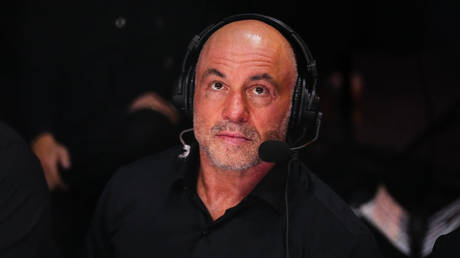
The clock is ticking; in just a few days, Tim Cook’s 15-year tenure as Apple CEO will come to an end. Looking back at the past decade and a half, I’d distill the company’s progress into a couple of words: growth and stability. Cook may not be perceived as iconic or innovative as Steve Jobs, but he was undoubtedly the perfect pick to lead Apple after his death. And he may go down as the best CEO Apple has ever had.
Back in 2011, Apple needed a mastermind who would further establish it as a leading tech brand, grow its customer base and value, and prepare it for the next phase. Tim Cook did exactly that, building upon Steve’s legacy, strengthening Apple’s structure, and forging new paths for the future.
Inheriting the empire
Succeeding Steve Jobs is a challenge in itself. Apple enthusiasts and shareholders naturally had high expectations, leaving Tim Cook little room for error. Despite that, Cook cooked, as the kids say. Not only did he launch a wide array of budget-friendly products, but Tim also maintained Apple’s overall image as a premium brand that sells high-quality, carefully crafted devices. Apple’s attention to detail lives on, and so do its trendsetting designs.
When Tim took over in 2011, Apple’s market value was around $337 billion, nothing to scoff at. Today, the company is worth around $4.5 trillion, a whopping 13.5-fold increase that has crowned it as one of the world’s most valuable companies. It now also makes over 4x more in annual revenue, and the number of active Apple devices has risen from 200 million to over 2.5 billion—a 14x increase over 15 years.
Catering to more than a billion unique customers comes with lots of hurdles, including geopolitical ones. During his time as CEO, Cook expanded manufacturing to new countries, such as India and Vietnam, reducing Apple’s reliance on China. He also maintained lower product pricing for longer than Apple’s competitors during the current memory crisis.
Transforming existing devices
It might seem like an easy task to take over the reins of Apple after the iPhone and iPad had already been launched, but in fact, it’s quite the opposite. Cook had to juggle numerous products in their infancy while fending off competitors and giving users reasons to upgrade every year.
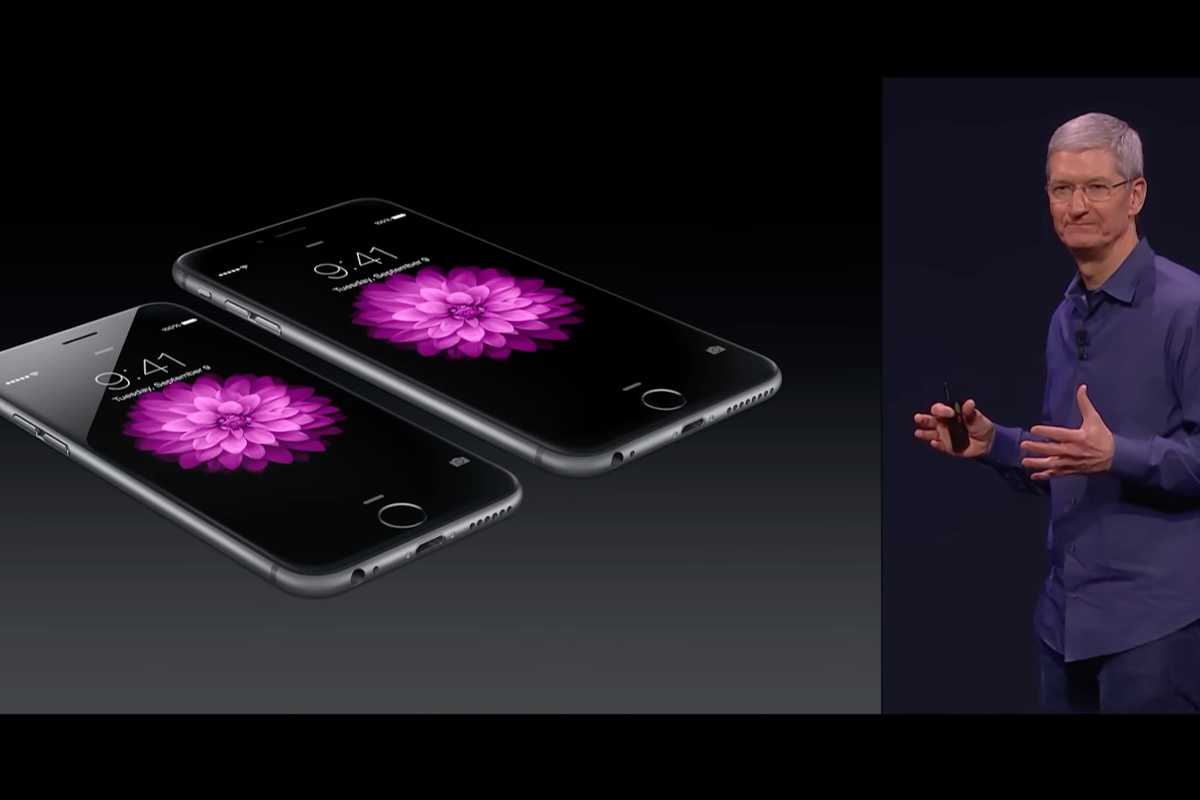
At the time, the iPhone 6 was a major step toward Apple’s move into larger iPhones.
Apple
iPhone
Steve Jobs may have created the iPhone, but Tim Cook reimagined it. The iPhone’s overall design had persisted until Cook unveiled the iPhone 6 and 6 Plus in 2014, barely three years after he had taken over. This move helped popularize larger smartphones and prepared the handset for a future dominated by digital media. A few generations later, the iPhone X debuted, completely overhauling the iPhone’s design and courageously retiring the iconic physical Home button in favor of gesture navigation. Then the first iPhone Pro followed a couple of years later, providing power users with an even more premium mobile computing experience.
Tim Cook didn’t just lead the iPhone design evolution, but he also helped make the product more accessible. He first experimented with the iPhone 5c and learned from its shortcomings what customers expect from an affordable Apple device. He then refined the formula with the SE line accordingly and perfected it with the latest “e” editions. We’ve now reached a point where there’s an iPhone for everyone.
iPad
The iPad was barely a year old when Tim Cook took over as CEO. During his tenure, Apple’s tablet grew in leaps and bounds and saw some of its most significant developments yet. He introduced the mini, Air, and Pro models, giving users several sizes and an array of features to pick from. He also oversaw the release of the Apple Pencil and Magic Keyboard, which turned the tablet into a serious productivity device. Coupled with the maturity of iPadOS, many users can now depend on an iPad to get professional work done. It’s no longer the plus-sized, constrained iPhone it used to be in 2011.
Mac
The Mac also saw unprecedented gains during Cook’s leadership. Like iPhones and iPads, he expanded the line, but more importantly, he oversaw the transition from Intel to Apple’s own M-series chips, hands down the Mac’s most transformative evolution of the past decade. This has enabled Apple to shrink its computers, boost their speeds, and make them more power-efficient than ever.
When Tim Cook took over Apple, it had only just launched its first in-house system-on-chip, the A4, in the original iPad and iPhone 4 a year before. Now that iPhones, iPads, and Macs are powered by comparable Apple silicon chips, the company has been able to repurpose some of its processors across the lineup. High-end iPads pack Mac chips, while the affordable MacBook Neo is powered by the same brain as an iPhone.
Launching new products
Tim Cook isn’t always associated with innovative new products, but several iconic products launched during his time as CEO, expanding Apple’s portfolio into new categories and shaping an ecosystem no other company has.
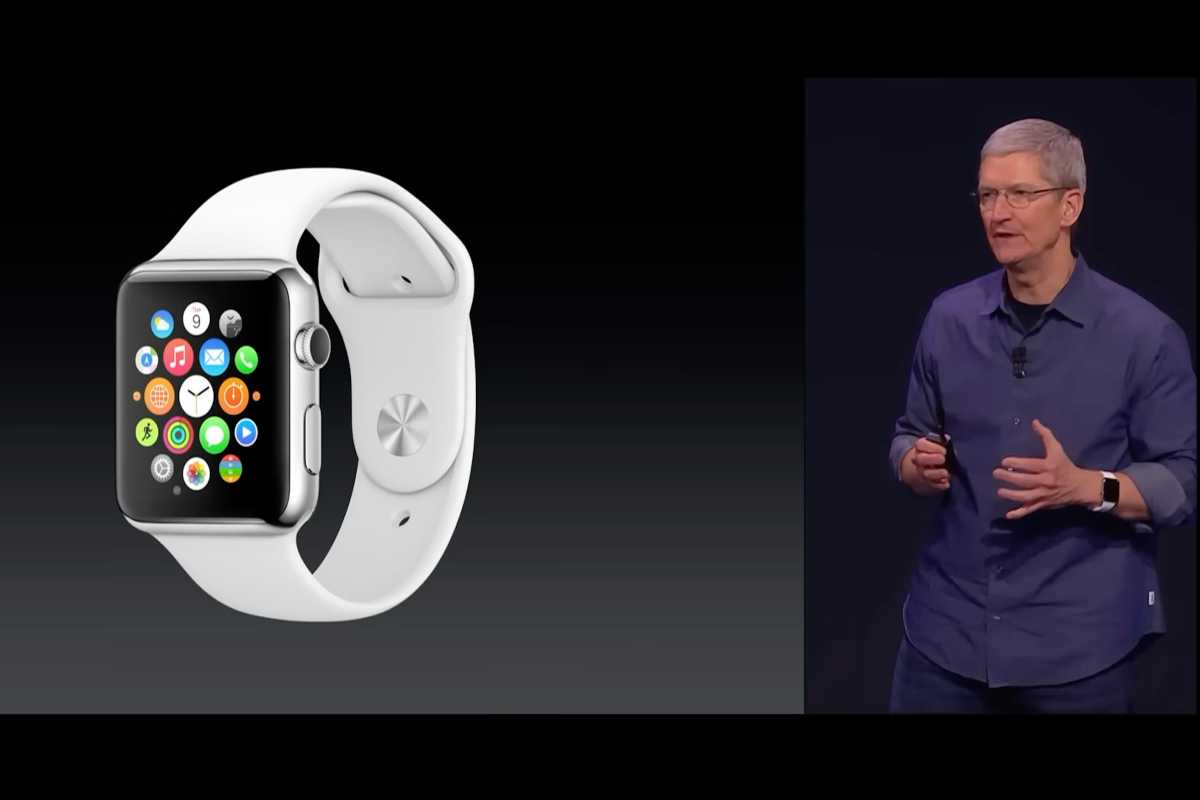
Tim Cook’s first new product was the Apple Watch, and it was an enormous hit.
Apple
Apple Watch
Beyond refining existing products, Tim Cook launched all-new device categories that reshaped their respective industries. The Apple Watch has become the most popular smartwatch on the planet and the go-to recommendation for most casual users. Today, Apple sells three main models with several different sizes, materials, and price points, suitable for a wide array of users and uses, from everyday casual wear to extreme athletes. It’s not just the most popular smartwatch—it’s the most popular watch brand in the world.
AirPods
Likewise, AirPods popularized wireless earbuds and have remarkably evolved over the years. When Apple removed the headphone jack from the iPhone 7 and launched the original AirPods, there was a small revolt among Apple fans who didn’t like the design or the direction. But Tim stuck to his vision, and years later, AirPods are as iconic as the iPhone itself, with an array of models and features that support advanced audio features, hearing health tools, heartbeat monitoring, and much more.
Services
Cook hasn’t been solely focused on Apple hardware. He also launched several subscription services that now contribute to the company’s revenue and rival established names in the field, including Apple Music, TV+, Arcade, News+, Fitness+, Creator Studio, and more.
But the biggest contribution of Tim’s Services push is Apple Pay. Announced in 2014, it pushed niche contactless payments into the mainstream and transformed the way we purchase just about everything. A few years later, Apple Card solidified Apple’s place as a leader in the digital finance realm, and today it’s rare to find a vendor that doesn’t support Apple Pay.
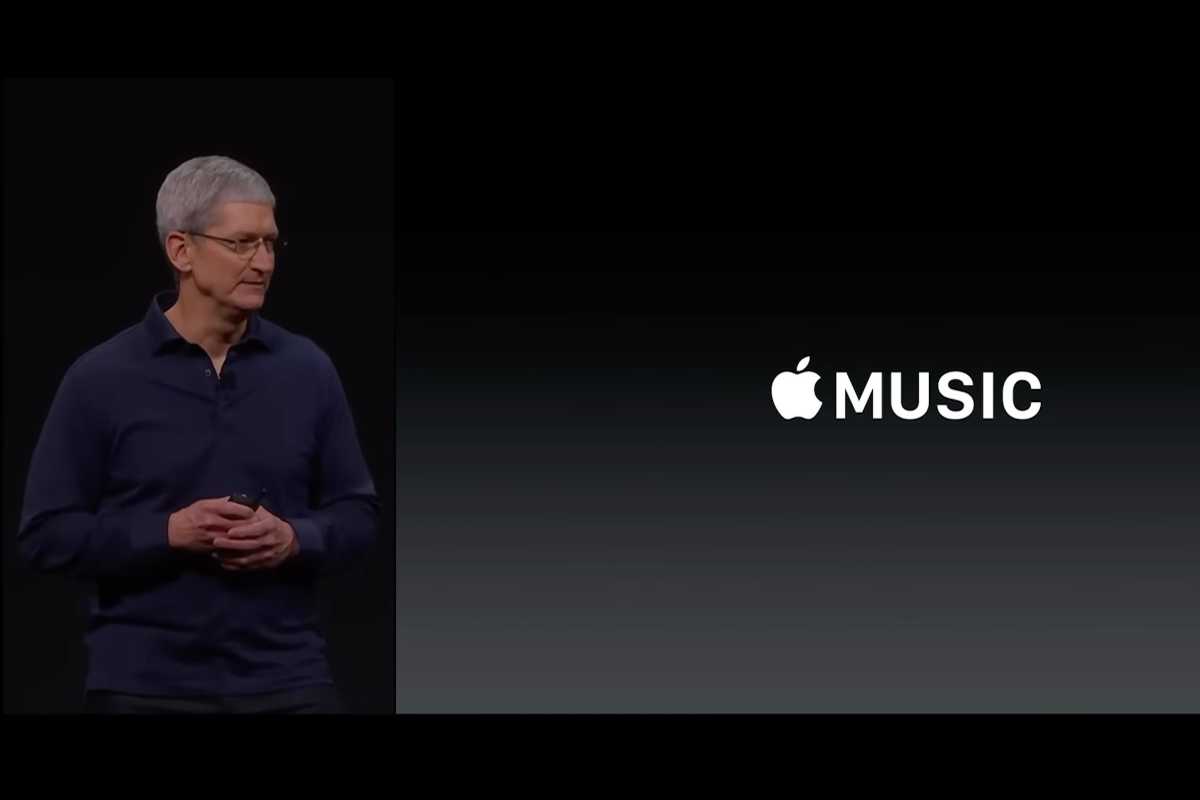
Apple Music kicked off a push into services that turned subscriptions into one of Apple’s biggest revenue streams.
Apple
Laying a foundation for the future
While Tim Cook will no longer be Apple’s CEO, he has already planted several seeds that are set to kickstart the John Ternus era. The Vision Pro, for example, may not be the company’s most well-received product, but the technology it packs prepares for a future of lighter smart-glasses and spatial computing devices.
After a bumpy road to the start of Apple Intelligence, it’s set to get on firmer footing with the launch of the new Siri AI as part of iOS 27. It will officially arrive during Ternus’ first few weeks, but its solid, private foundation is one of Cook’s most important final projects.
Other seeds may start to bloom on September 9. During its upcoming event, Apple will reportedly launch the iPhone Ultra, its first foldable device. A touchscreen MacBook Ultra could follow soon after, possibly followed by Ultra versions of AirPods and folding iPads down the road. Revitalizing the Ultra branding signals a dramatic shift in Apple’s philosophy and suggests a shift is around the corner.
Incoming CEO John Ternus will announce these products, but they will all contribute to Tim Cook’s lasting impact at the company that he led to greatness. Tim Cook will never supplant Steve Jobs as the face of Apple, but Cook’s legacy will be almost impossible to top.