Apple now has a wider iPhone range than ever, making it harder to decide which model is right for you. Your choice will largely come down to price, camera capabilities, display, performance, battery life, size and storage.
You may also be wondering which screen size suits you, how much storage you need, or whether to save money with an older model rather than buy the latest iPhone. You’ll also want to consider which model offers the best balance of features and value.
In this guide, we explain the differences between every iPhone currently available from Apple, paying particular attention to prices, cameras, displays, performance, battery life, durability and design. By the end, you should have a much clearer idea of which iPhone best meets your needs.
If you simply want to know which models we recommend, you can also read our full iPhone reviews, linked below, and use our iPhone comparison chart to compare the latest models with the other iPhones Apple sells.
Which iPhone should you buy? Quick guide
If you already know what matters most to you, this quick guide will point you toward the iPhone that best fits your priorities.
| If you want… | Buy… |
|---|---|
| Best all rounder | iPhone 17 |
| Best camera | iPhone 18 Pro |
| Best battery life | iPhone 18 Pro Max |
| Biggest screen | iPhone Duo |
| Best value | iPhone 17e |
| Thinnest/lightest | iPhone Air |
| Cheapest | Refurbished/discounted older iPhone |
Current iPhone lineup and prices
Here’s how Apple’s current iPhone lineup compares on price and the key specifications that are most likely to influence your buying decision.
| iPhone 17e | iPhone 16 | iPhone 17 | iPhone Air | iPhone 18 Pro | iPhone 18 Pro Max | iPhone Duo | |
|---|---|---|---|---|---|---|---|
| Starting price | $699/£699 | $799/£799 | $899/£899 | $1,099/£1,099 | $1,199/£1,199 | $1,299/£1,299 | $1,999/£1,999 |
| Screen size | 6.1″ | 6.1″ | 6.3″ | 6.5″ | 6.3″ | 6.9″ | 7.6″ |
| Storage | 256/512GB | 128GB | 256/512GB | 256/512GB/1TB | 256/512GB/1TB/2TB | 256/512GB/1TB/2TB | 256/512GB/1TB/2TB |
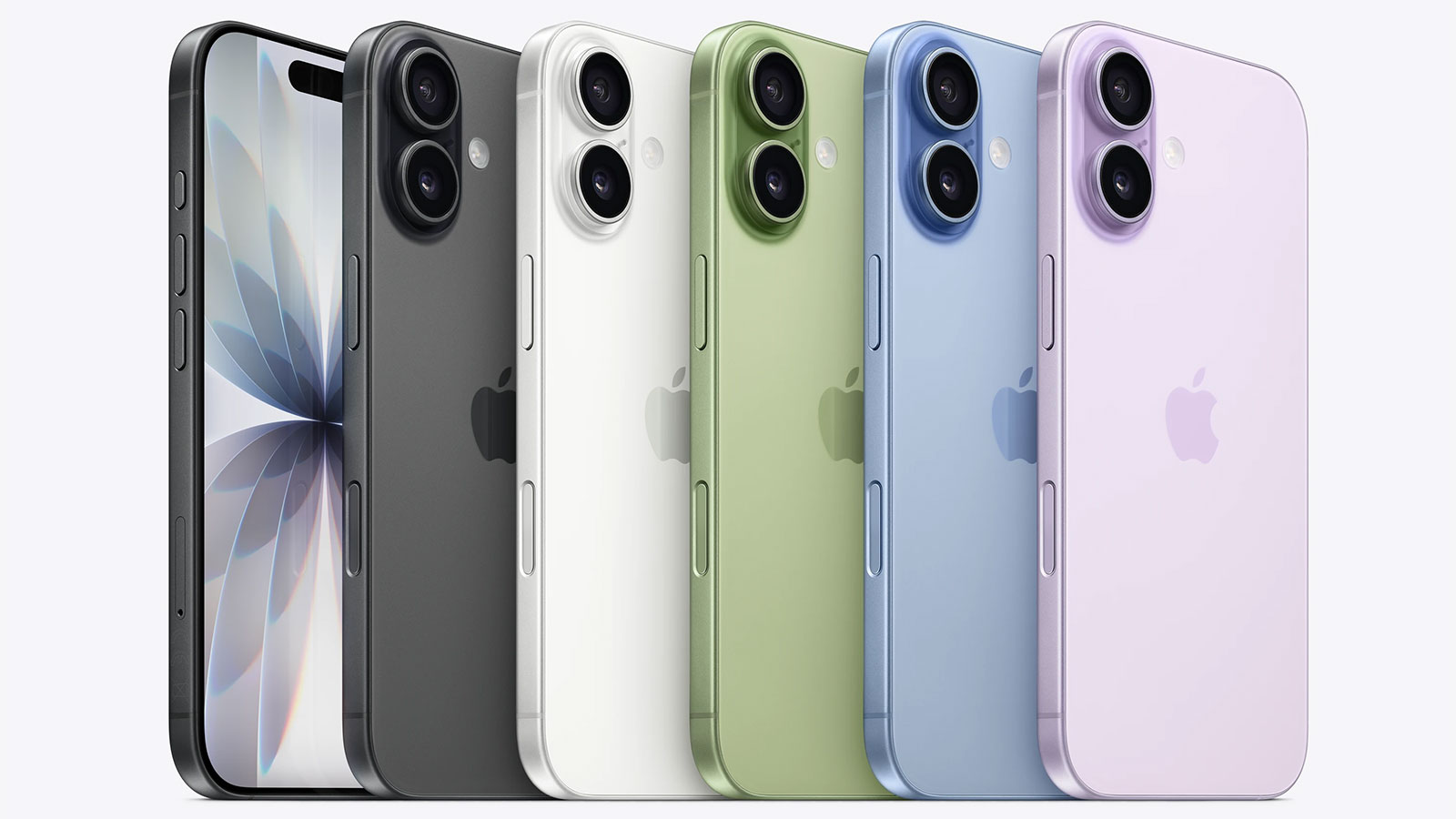
| Colors | White, Black, Pink | Ultramarine, Teal, Pink, White, Black | Lavender, Sage, Mist Blue, White, Black | Sky Blue, Light Gold, Cloud White, Space Black | Burgundy, Glacier, Silver, Black | Burgundy, Glacier, Silver, Black | Star White, Night Sky |
| Display | OLED with HDR (2532×1170-pixel at 460 ppi) | OLED with HDR (2556×1179-pixels at 460 ppi) 2000 nits peak brightness (outdoor), 1 nit minimum brightness |
OLED with HDR (2622×1206-pixel at 460 ppi), ProMotion 120Hz 3000 nits peak brightness (outdoor), 1 nit minimum brightness, Always On |
OLED with HDR (2736×1206-pixel at 460 ppi), ProMotion 120Hz 3000 nits peak brightness (outdoor), 1 nit minimum brightness, Always On |
OLED with HDR (2622×1206-pixel at 460 ppi), ProMotion 120Hz 3000 nits peak brightness (outdoor), 1 nit minimum brightness, Always On |
OLED with HDR (2868×1320-pixels at 460 ppi), ProMotion, 120Hz 3000 nits peak brightness (outdoor), 1 nit minimum brightness, Always On |
OLED with HDR (Inner display: 1878×2670-pixels at 430 ppi), Outer display: 1398×2034-pixels at 460 ppi), ProMotion, 120Hz 3000 nits peak brightness (outdoor), 1 nit minimum brightness, Always On |
| Processor | A18 (4-core GPU) | A18 (5-core GPU) | A19 (5-core GPU) | A19 Pro (5-core GPU) | A20 Pro (7-core GPU) | A20 Pro (7-core GPU) | A20 Pro (7-core GPU) |
| Battery capacity | 4,005mAh, 26 hours video playback | 3,692mAh, 22 hours video playback | 3,561mAh, 30 hours video playback | 3,149mAh, 27 hours video playback | 4,056mAh, 36 hours video playback | 5,391mAh, 45 hours video playback | 4,700mAh, 31 hours video playback (inner display) 44 hours video playback (outer display) |
| Wireless features | 5G, Wi-Fi 6, Bluetooth 5.3, NFC |
5G, Wi-Fi 7, Bluetooth 5.3, NFC, 2nd-gen Ultra Wideband, Thread |
5G, Wi-Fi 7, Bluetooth 6, NFC, 2nd-gen Ultra Wideband, Thread |
5G, Wi-Fi 7, Bluetooth 6, NFC, 2nd-gen Ultra Wideband, Thread |
5G, Wi-Fi 7, Bluetooth 6, NFC, 2nd-gen Ultra Wideband, Thread |
5G, Wi-Fi 7, Bluetooth 6, NFC, 2nd-gen Ultra Wideband, Thread |
5G, Wi-Fi 7, Bluetooth 6, NFC, 2nd-gen Ultra Wideband, Thread |
| MagSafe | Yes | Yes | Yes | Yes | Yes | Yes | Yes |
How to choose an iPhone
To help you narrow down the right iPhone model, we’ll look at the key questions that matter most when choosing an iPhone, including which has the best camera, battery life, display and performance, how much storage you need, and which model offers the best value.
Which iPhone has the best camera?
Apple
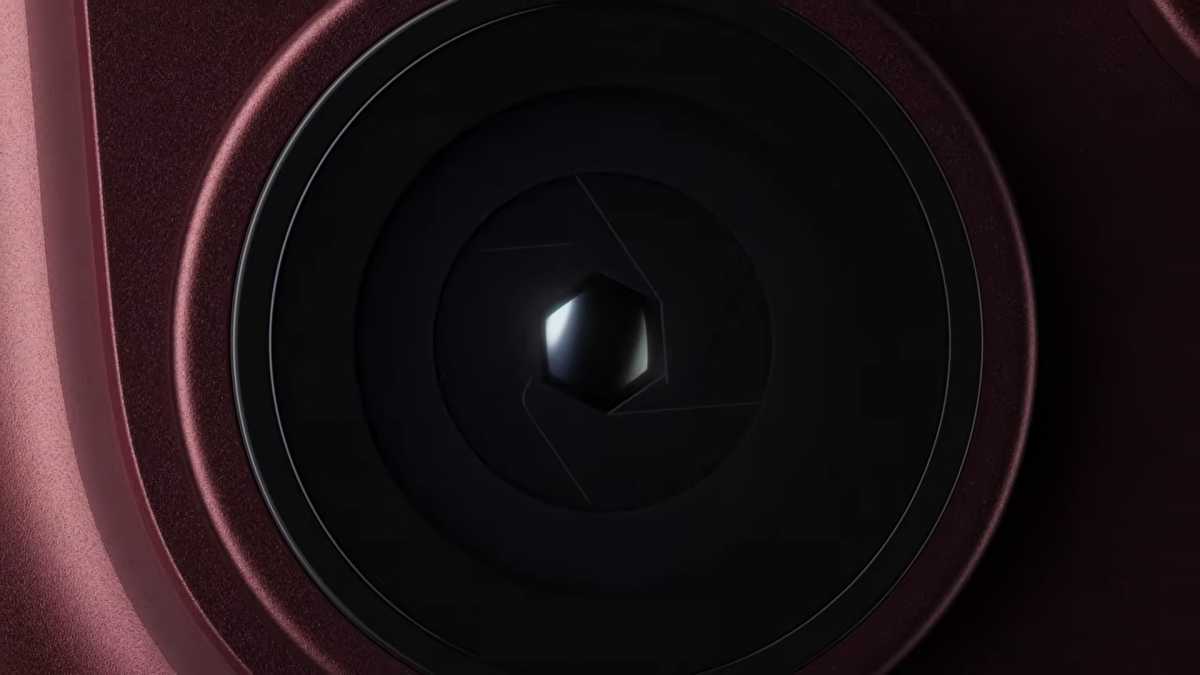
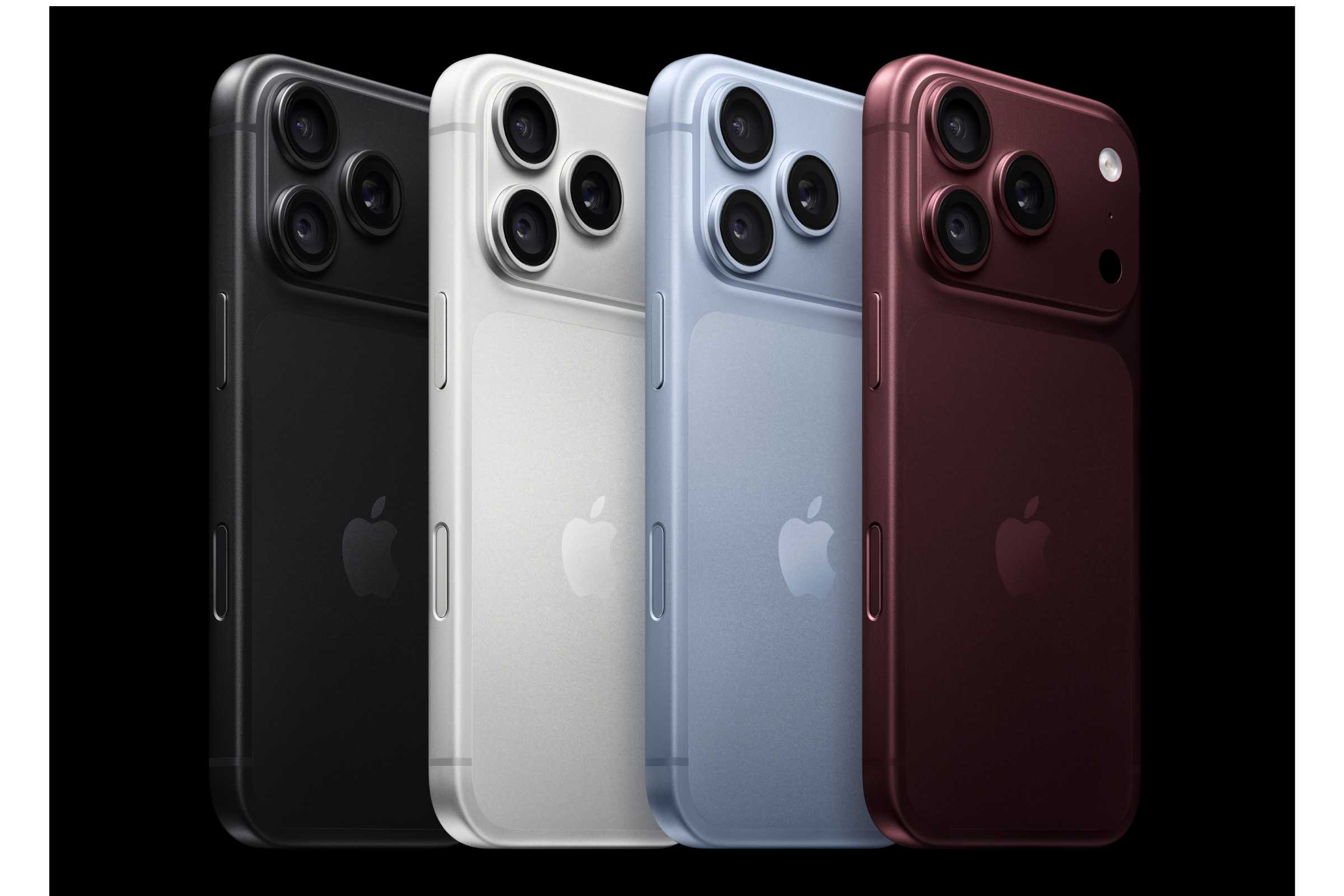
The iPhone 18 Pro and iPhone 18 Pro Max have the best camera systems of any current iPhone. Both use the same triple-48MP rear camera setup, so there is no photographic advantage to choosing the larger Pro Max unless you also want its bigger display and longer battery life.
The headline upgrade is the 48MP Fusion Main camera with variable aperture, a first for the iPhone. You can switch between ƒ/1.48, ƒ/1.8, ƒ/2.8 and ƒ/4.0, giving you more direct control over depth of field and low-light shooting. The Pro models also add a 48MP Ultra Wide and 48MP Telephoto camera, with 4x native telephoto and an 8x optical-quality zoom option. Apple also provides manual controls for aperture, shutter speed, white balance and histogram viewing, plus ProRAW, ProRes RAW and Apple Log 2 support.
The iPhone 17 remains an excellent camera phone for most people. It has a 48MP Main camera and 48MP Ultra Wide camera, plus a 12MP optical-quality 2x option cropped from the Main sensor. It also gains the 18MP Center Stage front camera, which can automatically reframe shots and supports Dual Capture. What you miss compared with the Pro models is the dedicated Telephoto lens, longer zoom range and more advanced pro photo and video controls.
The iPhone Duo also has two 48MP rear cameras, with Main and Ultra Wide lenses plus a 2x optical-quality crop from the Main sensor. Its folding design introduces some unusual camera features, including Duo Preview and Smart Take, but it lacks the dedicated Telephoto and variable-aperture Main camera found on the Pro models.
The iPhone Air and iPhone 17e are the least versatile current models, because each has only a single 48MP rear camera. Both can produce a 12MP optical-quality 2x view from the Main sensor, but neither has an Ultra Wide camera. The Air does at least get the newer 18MP Center Stage front camera, while the 17e retains a 12MP TrueDepth camera.
The older iPhone 16 sits somewhere in between, with a 48MP Main camera and 12MP Ultra Wide, plus the same 2x optical-quality crop from the Main sensor. It is still a capable camera phone, but the iPhone 17 improves the Ultra Wide to 48MP and upgrades the front camera.
Our recommendation: If photography and video are your priority, buy the iPhone 18 Pro. It gives you exactly the same camera system as the Pro Max for less money and in a more manageable size.
iPhone camera specifications compared
Here’s how the current iPhone cameras compare. The iPhone 18 Pro and Pro Max share the same triple-camera system, including the variable-aperture Main camera and 4x/8x Telephoto setup, while the iPhone 17 steps down to dual 48MP Main and Ultra Wide cameras. The iPhone Air and 17e are less versatile, each using a single 48MP rear camera. Most newer models also feature Apple’s 18MP Center Stage front camera with automatic reframing and Dual Capture, while the iPhone 17e retains a 12MP TrueDepth camera and the iPhone Duo uses separate outer and inner front cameras.
| iPhone | Main camera | Ultra Wide | Telephoto / zoom | Front camera |
|---|---|---|---|---|
| iPhone 18 Pro | 48MP Fusion Main, 24mm, variable ƒ/1.48–ƒ/4.0 | 48MP, 13mm, ƒ/2.2, 120° | 48MP 4x, 100mm, ƒ/2.8; 12MP optical-quality 8x, 200mm; up to 40x digital | 18MP Center Stage, ƒ/1.9 |
| iPhone 18 Pro Max | 48MP Fusion Main, 24mm, variable ƒ/1.48–ƒ/4.0 | 48MP, 13mm, ƒ/2.2, 120° | 48MP 4x, 100mm, ƒ/2.8; 12MP optical-quality 8x, 200mm; up to 40x digital | 18MP Center Stage, ƒ/1.9 |
| iPhone Duo | 48MP Fusion Main, 26mm, ƒ/1.6 | 48MP, 13mm, ƒ/2.2, 120° | No dedicated Telephoto; 12MP optical-quality 2x; up to 10x digital | 12MP Center Stage outer camera, ƒ/2.2; under-display inner camera, ƒ/1.8 |
| iPhone 17 | 48MP Fusion Main, 26mm, ƒ/1.6 | 48MP, 13mm, ƒ/2.2, 120° | No dedicated Telephoto; 12MP optical-quality 2x | 18MP Center Stage, ƒ/1.9 |
| iPhone Air | 48MP Fusion Main, 26mm, ƒ/1.6 | None | No dedicated Telephoto; 12MP optical-quality 2x; up to 10x digital | 18MP Center Stage, ƒ/1.9 |
| iPhone 17e | 48MP Fusion Main, 26mm, ƒ/1.6 | None | No dedicated Telephoto; 12MP 2x; up to 10x digital | 12MP TrueDepth, ƒ/1.9 |
| iPhone 16 | 48MP Fusion Main, 26mm, ƒ/1.6 | 12MP, 13mm, ƒ/2.2, 120° | No dedicated Telephoto; 12MP optical-quality 2x; up to 10x digital | 12MP TrueDepth, ƒ/1.9 |
Which iPhone has the best battery life?
Mahmoud Itani / Foundry
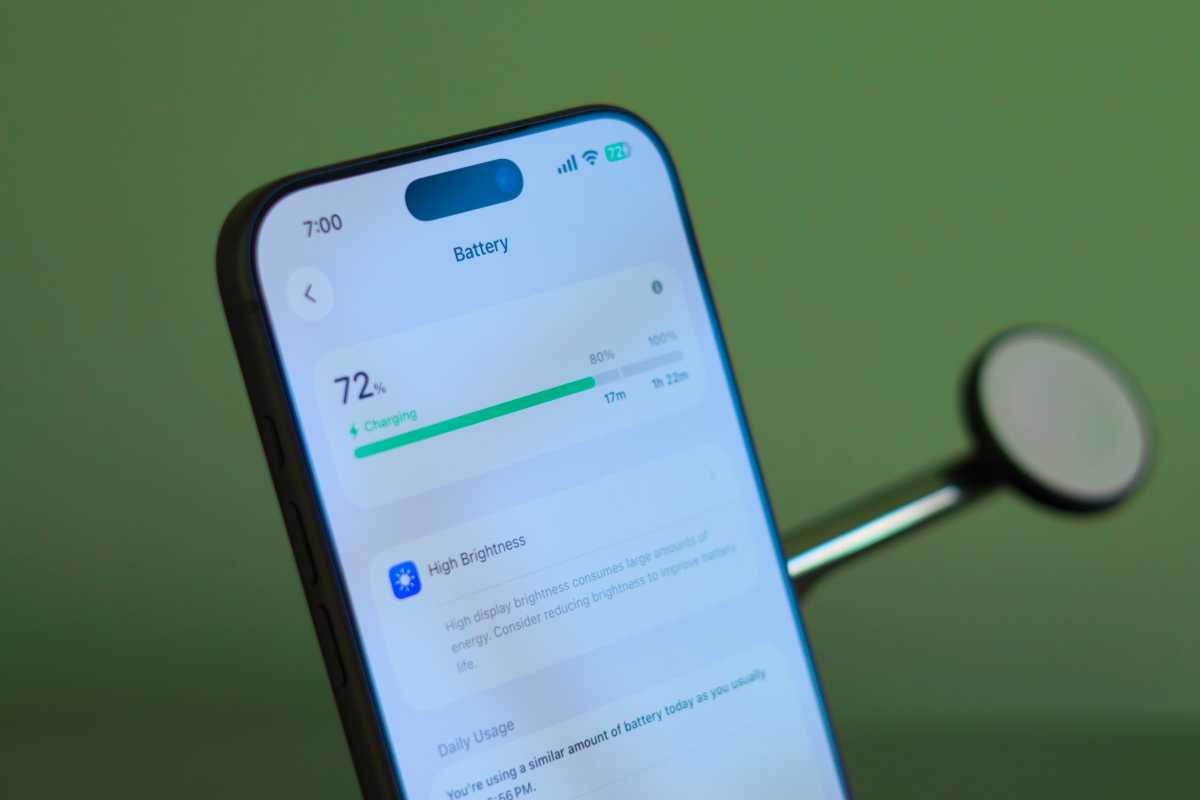
The iPhone 18 Pro Max has the best battery life of any current iPhone, with Apple rating it for up to 45 hours of video playback. That puts it comfortably ahead of the rest of the lineup and makes endurance one of the biggest reasons to choose it over the smaller iPhone 18 Pro. Its longer battery life comes from a combination of a larger battery, the more efficient 2nm A20 Pro chip, and Apple’s lower-power C2 modem.
The iPhone Duo comes surprisingly close when used with its smaller 5.4-inch outer display, offering up to 44 hours of video playback. However, battery life drops to around 31 hours when using the larger 7.6-inch folding display, so the Pro Max remains the better choice if maximum endurance is your priority.
If you want strong battery life without carrying the much larger and heavier Pro Max, the iPhone 18 Pro is an excellent compromise at up to 36 hours, while the iPhone 17 remains the best mainstream option at up to 30 hours.
Our recommendation: If battery life matters above everything else, the iPhone 18 Pro Max is the clear choice. Its combination of a 45-hour rating, huge 6.9-inch display and Pro-level performance makes it particularly well suited to heavy users, travelers and anyone who wants to get through a long day without worrying about charging.

iPhone battery life compared
Here’s how the current iPhone lineup compares for video playback battery life, based on Apple’s official ratings:
| iPhone Model | Video Playback (Apple Rating) |
|---|---|
| iPhone 18 Pro Max | Up to 45 hours |
| iPhone Duo (outer display) | Up to 44 hours |
| iPhone Duo (inner display) | Up to 31 hours |
| iPhone 18 Pro | Up to 36 hours |
| iPhone 17 | Up to 30 hours |
| iPhone Air | Up to 27 hours |
| iPhone 17e | Up to 26 hours |
| iPhone 16 | Up to 22 hours |
We compare battery life, capacity, mah and watt hours for every iPhone separately.
Which iPhone has the best display?
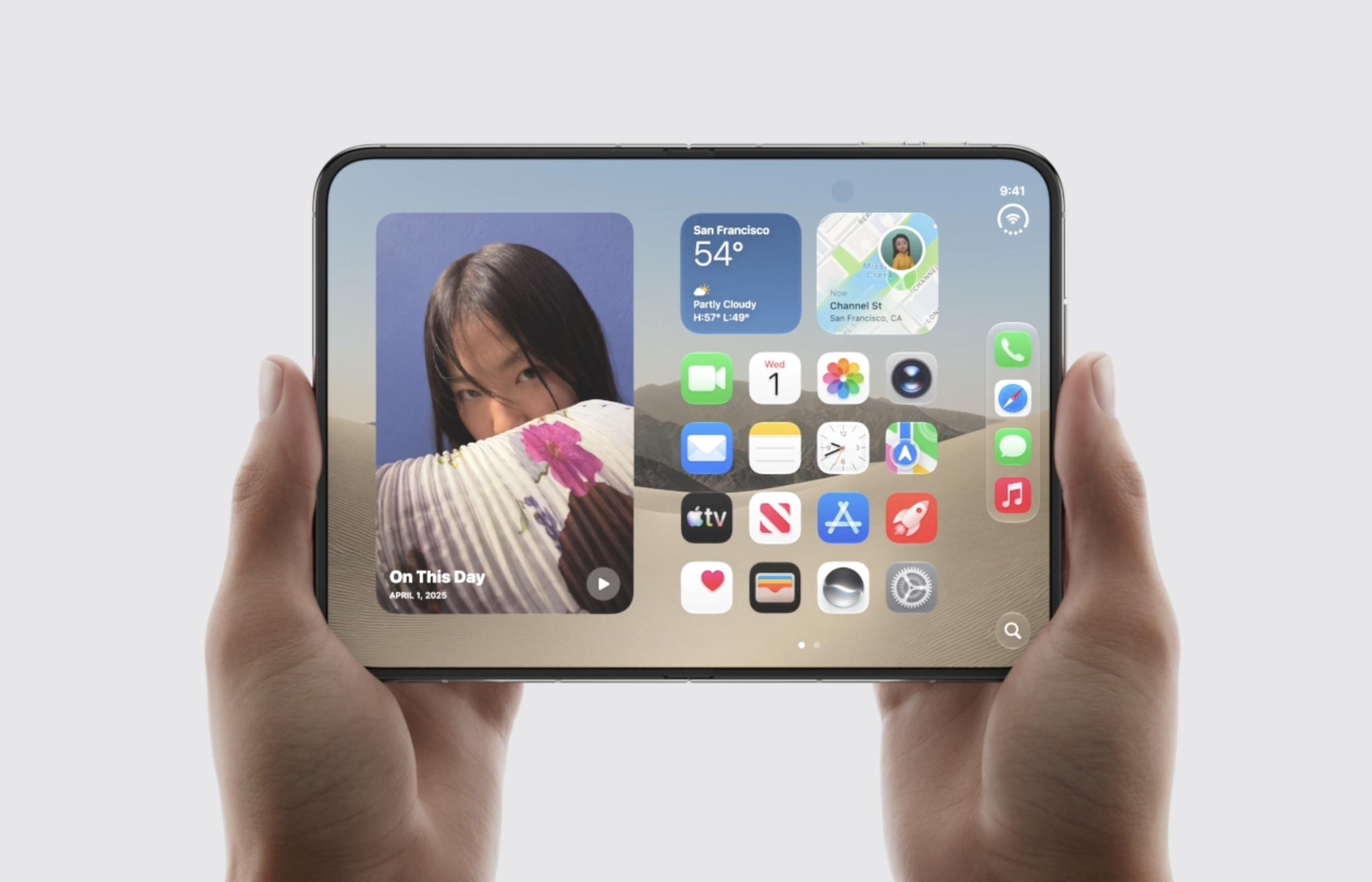
The iPhone Duo has the biggest and most distinctive display of any current iPhone. Opened up, its 7.6-inch Super Retina XDR OLED screen offers around 50 percent more screen area than the iPhone 18 Pro Max, making it especially good for video, gaming, reading and multitasking. The inner display supports 120Hz ProMotion, Always-On and up to 3,000 nits of outdoor brightness, while a nano-texture finish helps reduce reflections and make the fold crease less noticeable. There is also a 5.4-inch outer OLED display with 120Hz ProMotion and 3,000-nit outdoor brightness.
If you want the best conventional iPhone display, the iPhone 18 Pro Max is the standout choice. Its 6.9-inch Super Retina XDR OLED display combines an adaptive 1Hz to 120Hz ProMotion refresh rate, Always-On support and up to 3,000 nits of outdoor brightness. Ceramic Shield 2 provides additional protection, while Apple has also reduced the bezels and made the Dynamic Island smaller. The iPhone 18 Pro offers essentially the same display technology at a more manageable 6.3 inches.
You no longer need to buy a Pro model to get Apple’s best core display technology, though. The iPhone 17 and iPhone Air also support ProMotion and Always-On, features that were previously reserved for Pro iPhones. Both reach 3,000 nits outdoors, with the iPhone 17 offering a 6.3-inch screen and the Air a larger 6.5-inch display. That makes the iPhone 17 particularly strong value if you want a premium screen without paying Pro prices.
The older iPhone 16 and iPhone 17e are a noticeable step down. Neither supports ProMotion or Always-On, so their displays are limited to 60Hz. The iPhone 16 reaches up to 2,000 nits outdoors, while the 17e is dimmer still, with peak HDR brightness of 1,200 nits. The 17e also lacks the newer models’ ability to dim the display all the way down to 1 nit.
Our recommendation: Ultimately, screen size may matter as much as display technology. Choose the iPhone Duo if you want the largest and most versatile screen, the iPhone 18 Pro Max for the best conventional large-screen iPhone, or the iPhone 17 if you want most of the premium display experience for considerably less money.
Which iPhone is fastest?
The iPhone 18 Pro and iPhone 18 Pro Max are the fastest iPhones you can buy, thanks to Apple’s new A20 Pro chip. The processor uses a 2nm manufacturing process and combines a six-core CPU with a seven-core GPU, a Dual 16-core Neural Engine and 50 percent more memory bandwidth than the previous A19 Pro. Apple says the GPU is up to 40 percent faster, while AI processing performance is roughly doubled.
The Pro models also benefit from a much larger vapor chamber and a new chip-packaging design inspired by Apple’s M-series processors. Apple claims these changes deliver up to 40 percent better sustained performance than the iPhone 17 Pro, which should matter most during gaming, video editing and demanding on-device AI workloads.
The iPhone Duo uses the same full A20 Pro chip, including all seven GPU cores, so peak performance should be very similar. However, its folding design makes cooling more difficult, so sustained performance is expected to be slightly lower than on the iPhone 18 Pro. Apple still claims up to 35 percent higher sustained performance than the iPhone 17 Pro.
Further down the lineup, the iPhone Air uses the A19 Pro but with one fewer GPU core and less thermal headroom, while the iPhone 17 uses the standard A19 and the iPhone 17e a reduced-GPU version of that chip.
Our recommendation: For most people, all of these phones are more than fast enough. But if you want the best performance for gaming, video work or intensive AI tasks, the iPhone 18 Pro or 18 Pro Max is the clear choice.
Which iPhone is best for gaming?
The iPhone 18 Pro is the best iPhone for gaming for most people. It combines Apple’s new A20 Pro chip with a seven-core GPU, 50 percent more memory bandwidth than the A19 Pro, and a much larger vapor-chamber cooling system. Apple says the GPU is up to 40 percent faster and sustained performance is up to 40 percent better than on the iPhone 17 Pro, improvements that should matter most during long gaming sessions. Its 6.3-inch 120Hz ProMotion display also delivers smooth, responsive gameplay without making the phone especially bulky.
The iPhone 18 Pro Max offers essentially the same gaming performance, but its 6.9-inch display and much longer battery life make it the better option for gamers who prioritize screen size and endurance. Apple rates it for up to 45 hours of video playback, compared with 36 hours for the 18 Pro.
The iPhone Duo is an interesting alternative. It uses the same A20 Pro chip with a seven-core GPU and vapor-chamber cooling, while its 7.6-inch inner ProMotion display provides far more room for games. The trade-offs are its much higher price, 254g weight and folding form factor.
The iPhone Air and iPhone 17 are still very capable gaming phones, but they sit below the A20 Pro models for sustained graphics performance.
Our recommendation: For most gamers, choose the iPhone 18 Pro; choose the 18 Pro Max if you want the biggest conventional screen and longest battery life.
Which iPhone is best value
The iPhone 17 is the best-value iPhone overall because it gives you the strongest balance of price, display, cameras, storage and battery life without paying Pro prices.
For $899/£899, you get a 6.3-inch 120Hz ProMotion Always-On display, the A19 chip, dual 48MP rear cameras, an 18MP Center Stage front camera, 256GB of storage as standard and up to 30 hours of video playback. That is a substantial step up from the iPhone 17e, which is cheaper but drops ProMotion, Always-On and the Ultra Wide camera.
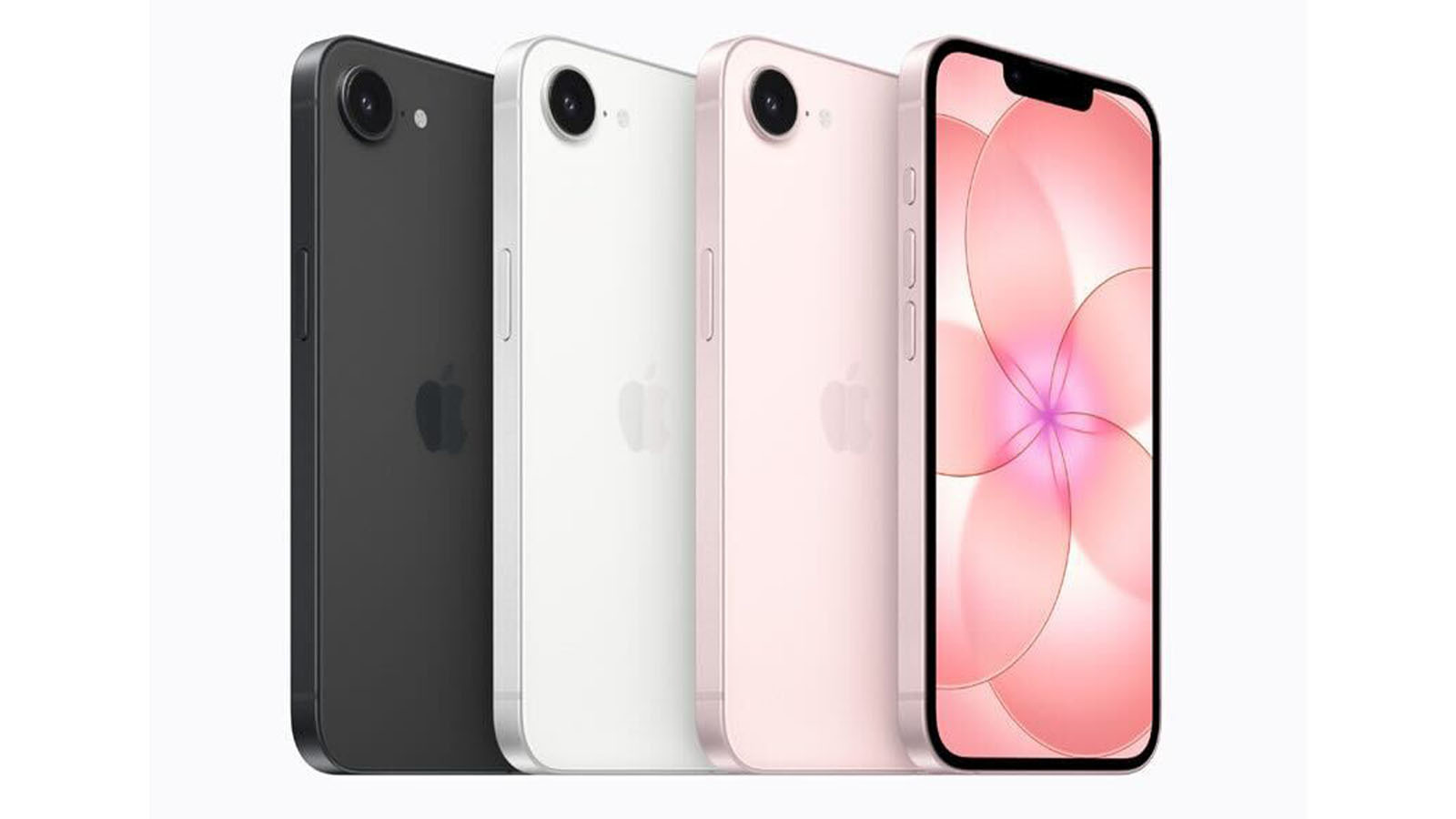
The iPhone 17e is still the best budget choice if keeping the purchase price down matters most. It starts lower, still has the A19 chip and 256GB of storage, and offers excellent battery life, but its simpler display and single rear camera make it less complete.
Our recommendation: Choose the iPhone 17 for the best overall value, or the iPhone 17e if your priority is spending as little as possible.
How to choose the right iPhone specs
Choosing the right iPhone isn’t just about picking the newest model. You’ll also want to think about how much storage you need, what screen size feels comfortable, how much weight you’re willing to carry, and whether features such as ProMotion, advanced cameras, longer battery life or extra performance are worth paying for. The right balance will depend on how you use your phone: someone who mainly messages, browses and takes occasional photos will have very different needs from someone who shoots lots of video, plays demanding games or wants a large display for reading and media.
How much iPhone storage do you need?
Choosing the right amount of storage is important because you can’t add more internal storage later. iPhones don’t have a microSD card slot, so it’s worth thinking about how much space you’ll need over the lifetime of the phone before you buy.
The good news is that all of Apple’s current generation iPhones start with 256GB, including the iPhone 17e. That’s a much more comfortable starting point than 128GB, particularly as 48MP photos, 4K video, large games and system data all take up more space than they used to. It also makes the older 128GB iPhone 16 look like relatively poor value if it is only $100/£100 less than a newer model with twice the storage.
For most people, 256GB is the sweet spot. Before deciding, check how much storage you’re currently using by going to Settings > General > iPhone Storage. If you’re already close to your limit, move up a capacity when you upgrade.
Several things can quickly eat into your available space:
- Photos and videos: 48MP photos and 4K video files are much larger than older formats.
- Apple Intelligence: Apple’s AI features require several gigabytes of dedicated storage.
- Apps and games: Some modern games can take up many gigabytes.
- System data: iOS, caches and logs can consume a significant amount of space over time.
Which storage size should you buy?
- 128GB: Only worth considering on an older discounted model if you mostly stream content and rely heavily on cloud storage.
- 256GB: The best choice for most people, with enough room for apps, photos, videos and several years of use.
- 512GB: Ideal if you shoot lots of 4K video, keep a large offline media library or install many large games.
- 1TB or 2TB: Best suited to photographers, videographers and creators who regularly work with ProRAW or ProRes files.
Can you add more storage later?
No. You can’t upgrade an iPhone’s internal storage after purchase. You can, however, free up space with iCloud+, which lets you keep full-resolution photos and videos in the cloud while storing smaller optimized versions on the iPhone. You can also connect a USB-C SSD or flash drive to compatible iPhones to transfer files or, on supported Pro models, record ProRes video directly to external storage.
Our recommendation: Buy as much storage as you can comfortably afford. You can’t add more later, and paying a little extra upfront is often preferable to running out of space a few years down the line.
Read How much storage do you need on an iPhone? for more advice.
Which iPhone processor should you choose?
Apple
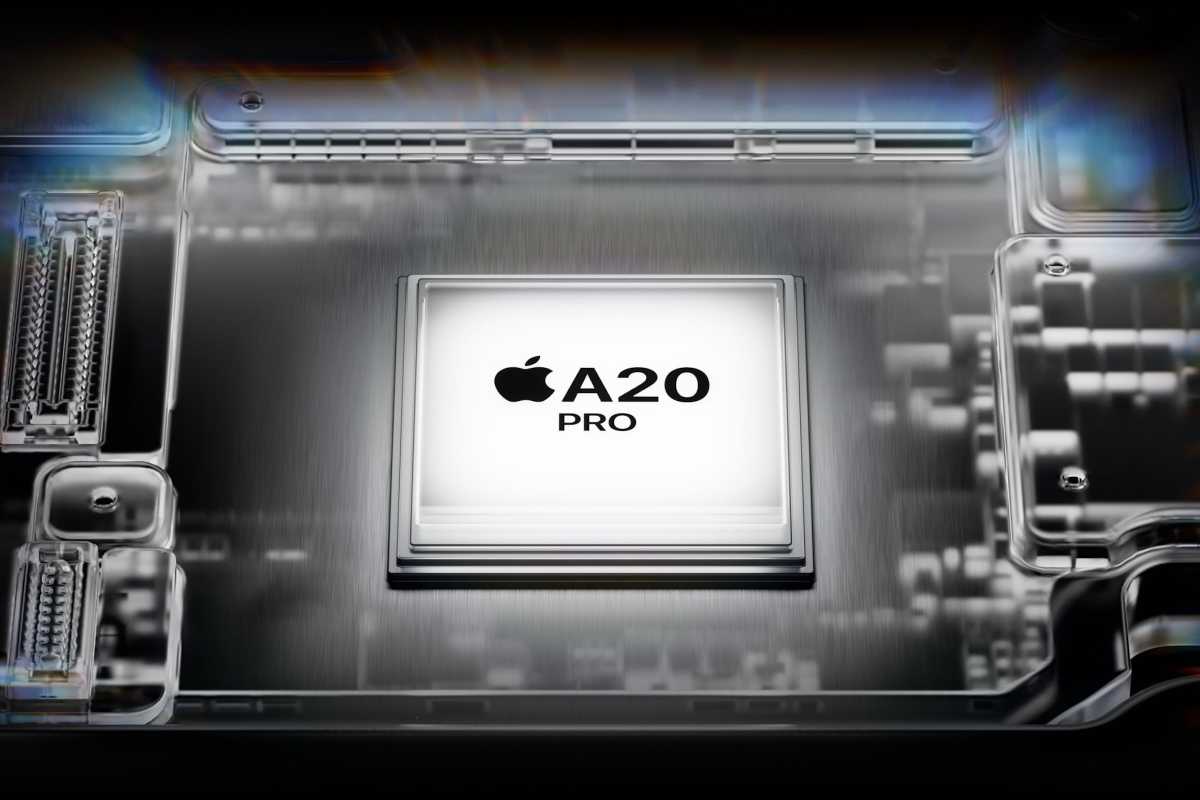
Apple’s A-series chips have consistently set the benchmark for smartphone performance, but the current lineup now spans several generations and performance tiers. At the top is the A20 Pro, which powers the iPhone 18 Pro, iPhone 18 Pro Max and iPhone Duo. It is Apple’s first iPhone chip built on a 2nm process and features a six-core CPU, seven-core GPU, Dual 16-core Neural Engine and 50 percent more memory bandwidth than the A19 Pro. Apple says CPU performance is up to 20 percent faster than the A19 Pro, while GPU performance is up to 40 percent faster, with roughly double the AI compute performance.
The iPhone 18 Pro and Pro Max are the best choices if you want maximum performance, particularly for demanding games, video editing or intensive Apple Intelligence tasks. Their larger vapor chamber and revised chip packaging also improve sustained performance, with Apple claiming up to 40 percent better sustained performance than the iPhone 17 Pro. The iPhone Duo uses the same full A20 Pro chip, including all seven GPU cores, although its folding design places greater constraints on cooling.
The previous-generation A19 Pro remains very capable. It powered the now-discontinued iPhone 17 Pro and 17 Pro Max and is still used in the iPhone Air. The Pro models used the full six-core GPU, while the Air has five GPU cores and less thermal headroom. The standard iPhone 17 uses the A19, while the iPhone 17e uses a cut-down version with a four-core GPU. Both are still more than fast enough for everyday use, multitasking, gaming and Apple Intelligence.
Our recommendation: For most people, processor choice shouldn’t be the deciding factor: even the A19 offers more performance than typical users need. Choose an A20 Pro iPhone if you want the fastest graphics, best sustained performance and strongest long-term headroom; otherwise, the A19 in the iPhone 17 offers the best balance of speed and value. for everyday use, gaming and AI features. For most buyers, the choice between models is likely to come down to cameras and other features rather than processor speed alone.
Finding the iPhone dimensions and design that suit you
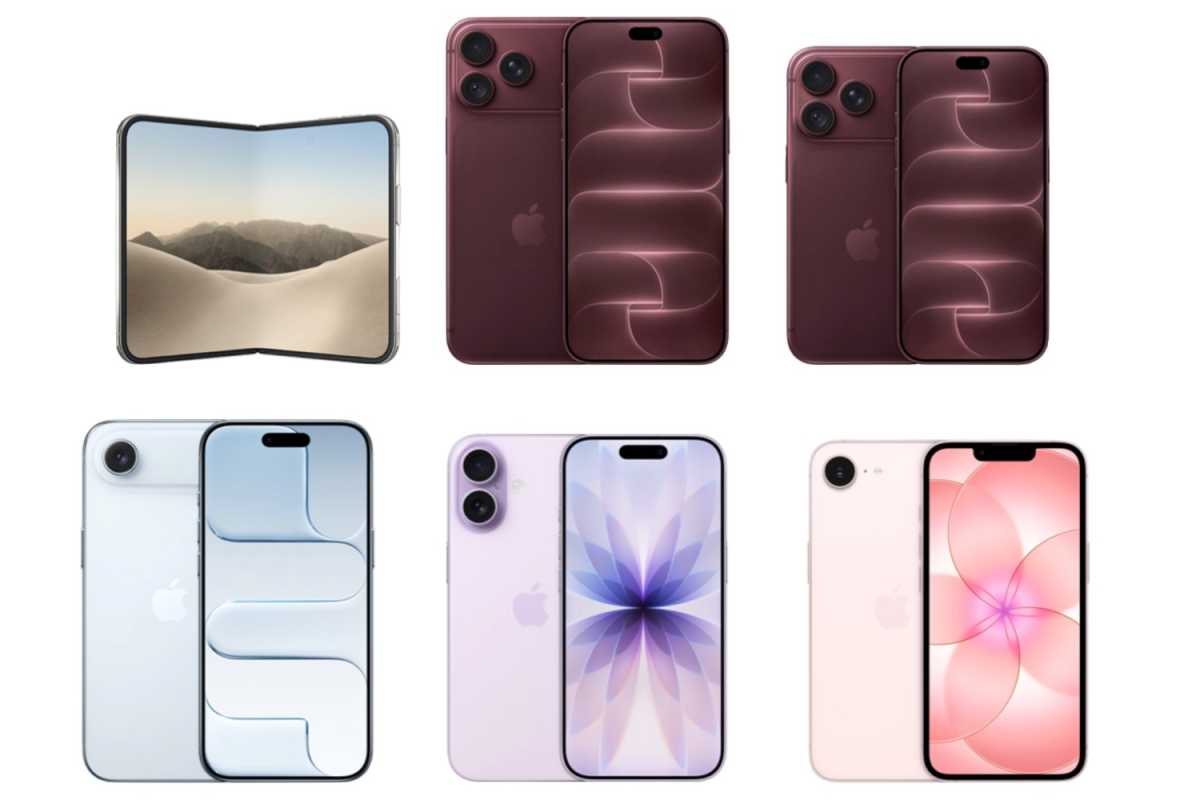
Which iPhone has the best looks?
Apple
Once you’ve narrowed down the features you need, think about which iPhone will actually be comfortable to carry and use every day. Screen size is only part of the story: dimensions, weight, thickness and materials can make two similarly sized iPhones feel very different.
The most distinctive model is the iPhone Duo. Folded, it is short and wide at 117.8 x 84.1 x 11.3mm, but opens to 164.6mm wide and just 5.2mm thick, with a 7.6-inch inner display. At 254g, it is also the heaviest current iPhone. It uses a titanium frame, has Touch ID in the side button, and keeps Camera Control but drops the Action button.
At the other extreme is the iPhone Air, which is only 5.64mm thick and 165g, despite having a 6.5-inch display. Its titanium frame and single rear camera make it the obvious choice if low weight and thinness matter more than camera versatility or maximum battery life.
The iPhone 18 Pro measures 150 x 71.9 x 8.75mm and 211g, while the 18 Pro Max is 163.4 x 78 x 8.75mm and 249g. The Pro Max is substantially heavier, so it’s worth handling one before buying. The iPhone 17 sits in the middle at 149.6 x 71.5 x 7.95mm and 177g, making its 6.3-inch display easier to manage.

| iPhone 17e | iPhone 16 | iPhone 17 | iPhone Air | iPhone 18 Pro | iPhone 18 Pro Max | iPhone Duo | |
|---|---|---|---|---|---|---|---|
| Starting price | $699/£699 | $799/£799 | $899/£899 | $1,099/£1,099 | $1,199/£1,199 | $1,299/£1,299 | $1,999/£1,999 |
| Screen size | 6.1″ | 6.1″ | 6.3″ | 6.5″ | 6.3″ | 6.9″ | 7.6″ |
| Size (H x W x D) | 146.7 mm (5.78 inches) x 71.5 mm (2.82 inches) x 7.80 mm (0.31 inches) | 147.6 mm (5.81 inches) x 71.6 mm (2.82 inches) x 7.80 mm (0.31 inches) | 149.6 mm (5.89 inches) x 71.5 mm (2.81 inches) x 7.95 mm (0.31 inches) | 156.2 mm (6.15 inches) x 74.7 mm (2.94 inches) x 5.64 mm (0.22 inches) | 150 mm (5.91 inches) x 71.9 mm (2.83 inches) x 8.75 mm (0.34 inches) | 163.4 mm (6.43 inches) x 78 mm (3.07 inches) x 8.75 mm (0.34 inches) | Closed: 117.8 mm (4.64 inches) x 84.1 mm (3.31 inches) x 11.3 mm (0.44 inches) Open: 117.8 mm (4.64 inches) x 164.6mm (6.48 inches) x 5.2 mm (0.21 inches) |
| Weight | 169 grams (5.96 ounces) | 170 grams (6.00 ounces) | 177 grams (6.24 ounces) | 165 grams (5.82 ounces) | 204 grams (7.20 ounces) | 231 grams (8.15 ounces) | 254 grams (8.96 ounces) |
| Colors | White, Black, Pink | Ultramarine, Teal, Pink, White, Black | Lavender, Sage, Mist Blue, White, Black | Sky Blue, Light Gold, Cloud White, Space Black | Burgundy, Glacier, Silver, Black | Burgundy, Glacier, Silver, Black | Star White, Night Sky |
Design differences
Most current iPhones include Camera Control, the touch-sensitive side control for launching the Camera app and adjusting settings. The iPhone 17e is the exception. The Action button is also standard on most recent models, although the Duo omits it.
Camera layouts vary too. The 18 Pro and Pro Max have three rear cameras across a broad Camera Plateau, the Duo and iPhone 17 use dual-camera systems, and the Air and 17e have a single rear camera.
Color choices vary by model, from understated finishes on the Pro and Duo to brighter options on the iPhone 17 and iPhone 16, so your preferred look may help narrow down the choice.
Durability
The newer iPhone 18 Pro models, iPhone 17, Air and 17e use Ceramic Shield 2 on the front, while the Air and Pro models also add extra protection to the rear. Current iPhones are also rated IP68 for water and dust resistance, but that doesn’t make them waterproof, so a case is still a sensible precaution.
Our recommendation: Choose the iPhone Air if portability matters most, the iPhone 17 or 18 Pro for the best balance of size and usability, the Pro Max for a larger screen and battery, or the Duo if you specifically want the foldable design.
Best way to buy an iPhone
There are several ways to buy an iPhone, each with its own advantages. The two main options are buying directly from Apple or through a mobile carrier. In the U.S., iPhones are typically purchased on a carrier contract and are often locked to that network. In the U.K., you can also buy an unlocked, SIM-free iPhone outright from Apple or other retailers, either at full price or with a discount.
Buy directly from Apple
Jon Stoa
Pros: You can get an unlocked, SIM-free phone (in most regions), access to the iPhone Upgrade Program, and the ability to trade in your old device for credit (up to $650). It’s also the best place to pre-order a new model for the fastest delivery.
Cons: You almost always pay full retail price.
Buy from a Carrier
Pros: This is where you’ll find the biggest discounts, often in the form of bill credits over 24 or 36 months when you trade in a phone and sign up for a qualifying plan. For example, AT&T, T-Mobile, and Verizon frequently offer up to $830–$1,000 off new iPhones with a trade-in .
Cons: These deals come with significant strings attached, including long-term contracts and specific plan requirements. Always read the fine print
A contract usually starts with an upfront payment that will vary depending on the iPhone model you go for and also how much you’ll be paying each month. That upfront payment is followed by monthly payments, normally for a total of 24 months, after which you own the phone (in most cases). Those monthly payments also cover data, minutes and texts.
The following networks are worth checking for their contract offers:
U.K. readers can find iPhone contracts from the following networks:
Buy from a third-party reseller
Pros: In the U.K., resellers like Amazon, Currys, and John Lewis frequently sell unlocked iPhones at a discount, often offering the best upfront savings . For instance, Amazon has offered £200 off the iPhone Air.
Cons: Availability and deals change frequently.
You could try the following third-party resellers:
Buy via Apple’s iPhone Upgrade Program
Apple offers financing and upgrade options that let you spread the cost of an iPhone over monthly payments, although the schemes differ between the U.S. and U.K.
In the U.S., Apple has ceased the old iPhone Upgrade Program and now directs customers to Apple Upgrade, a lease-based option that lets you make monthly payments and upgrade to a new device at the end of the lease by returning your current one. Apple also offers carrier deals, financing and outright purchase options.
In the U.K., Apple has replaced the traditional iPhone Upgrade Programme with a Flexible Finance Account with Upgrade Option, provided by Creation. Eligible iPhones can be bought on a 20-month 0% plan with an upgrade option after 11 payments, or a 30-month 0% plan with an upgrade option after 23 payments. Current plans start from £64.95 a month for the 20-month option or £43.30 a month for the 30-month option.
Whether these plans are good value depends on how often you upgrade. They can be convenient if you like replacing your iPhone regularly, but if you usually keep a phone for several years, buying outright or using standard 0% finance may work out cheaper overall.
Buy a refurbished iPhone
Apple
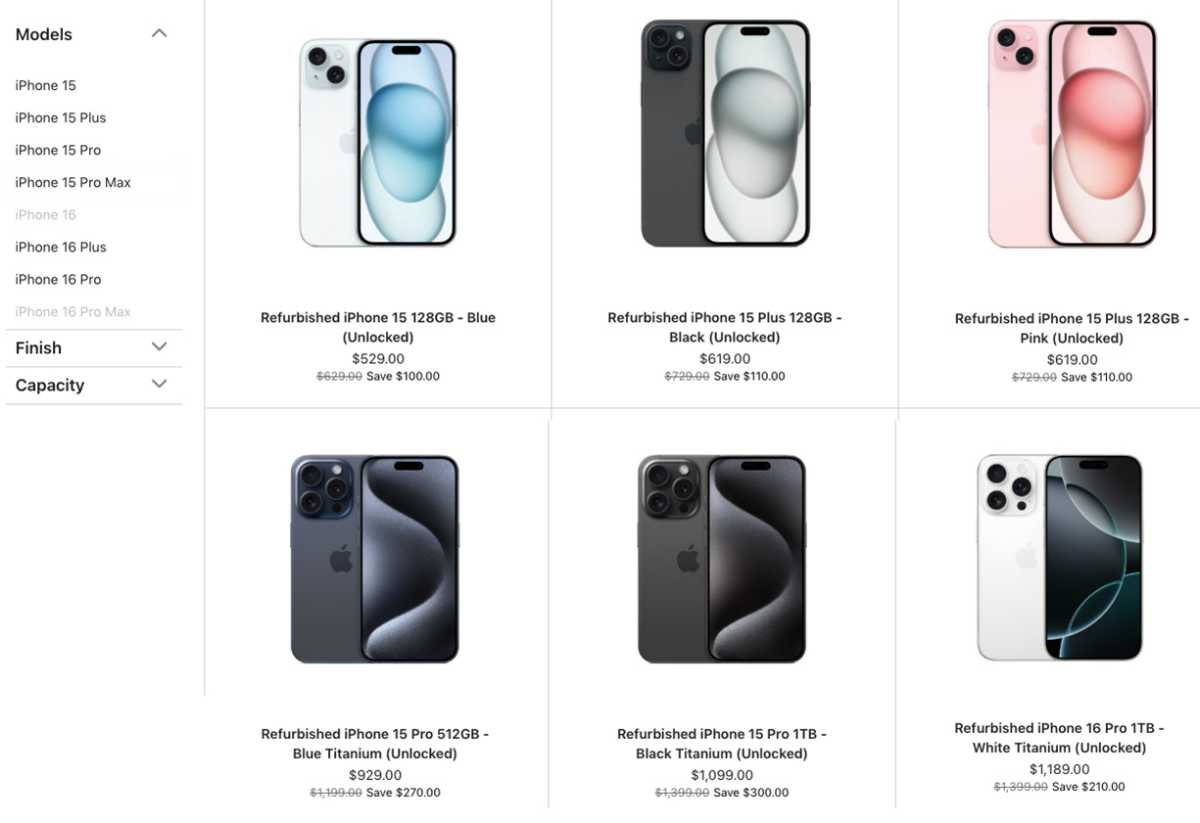
Buying an iPhone doesn’t come cheap. However, if you’re strapped for cash you don’t have to dismiss the idea of buying an iPhone completely. You may be able to get a good deal on a refurbished model.
Buying a refurbished iPhone is a smart way to save money while still getting a premium device, but the key is knowing where to shop and what to look for.
Understand the difference between refurbished vs used
- Refurbished: Professionally inspected, tested and repaired where necessary. It should come with a warranty and may also have a replacement battery.
- Used or second-hand: Usually sold by an individual in its current condition, often without a warranty or any guarantee that it is fully functional. There is also a greater risk of hidden faults or Activation Lock problems.
What to check before buying
- Warranty: Choose a seller offering a meaningful warranty, ideally for at least 12 months.
- Condition grade: Sellers use grades such as A, B and C, or Fair, Good and Excellent. Higher grades indicate less cosmetic wear but usually cost more.
- Battery health: Check the seller’s minimum battery-capacity guarantee. Many refurbished sellers promise at least 80% of the battery’s original capacity, while Apple-furbished iPhones receive a new battery.
- Unlocked or locked: Confirm that the iPhone is unlocked and can be used with your preferred mobile network. This is particularly important when buying in the U.S.
- Model age: Avoid iPhones that are close to losing software support. As of mid-2026, the iPhone XS, XS Max and XR are no longer sensible long-term purchases, while the iPhone 11 should be approached with caution.
Shop at Apple’s Certified Refurbished Store
Apple’s Certified Refurbished Store is generally the safest place to start and sets the standard for refurbished quality.
Apple thoroughly tests each device, replaces the battery and outer shell, and supplies it in a new box with the appropriate accessories. Refurbished iPhones also come with Apple’s standard one-year warranty, 90 days of technical support and the option to add AppleCare+.
Prices are typically around 15% lower than the original retail price, although availability varies. Apple operates refurbished stores in both the U.S. and U.K.
Consider other trusted resellers
If you can’t find what you need at Apple’s Certified Refurbished Store, try one of these places to buy a refurbished iPhone.
U.S.:
- Back Market: You get 30 days to change your mind and a 12-month warranty… or occasionally more. Take careful note of the phone’s quality rating as the cheapest will have more visible signs of wear (stratches and scuffs) than the more expensive Excellent and Premium buys. Premium-quality iPhones also have the highest-rated batteries and only Apple parts.
- Amazon Renewed Store: This site’s greatest benefit is that purchases are all backed by Amazon’s standard returns policy and its “Renewed Guarantee” lets you get a refund or replacement within a year of receiving your product.
- Best Buy: Best Buy doesn’t offer a great deal of information on pre-owned iPhones’ condition, but you can return within 14 days if the item is “unopened or defective in any way.”
- Walmart: Walmart doesn’t sell refurbished iPhones directly; rather, they are sourced from other sellers. Return policies vary from seller to seller, but there are minimum requirements that apply universally.
U.K.:
- Back Market: You get 30 days to change your mind and a 12-month warranty… or occasionally more. See above for more details on Back Market’s quality rankings.
- Music Magpie: A good place to start looking for refurbished iPhones with a one-year warranty. You may find that sales reduce the price still further.
- Hoxton Macs: Don’t let the Mac in the name fool you. Hoxton Macs has started selling refurbished iPhones, with a one-year Return to Base warranty.
- Reboxed: Pledges that devices “are fully tested and in perfect working order.” All come with a 12-month no quibble warranty.
- Amazon Renewed Store: While you can’t really sell on Amazon Renewed unless you’re a business, those looking to buy a refurbished iPhone Amazon Renewed have plenty of options to choose from. Its greatest benefit is that purchases are all backed by Amazon’s standard returns policy and its “Renewed Guarantee” lets you get a refund or replacement within 1 year of receiving your product.
- Envirofone: Also allows you to trade in your old phone for credit towards purchasing a refurbished phone.