America.gov has a pitch that I suspect almost anyone who has dealt with the federal government will understand immediately. Instead of figuring out which department, or obscure corner of an agency, controls the thing you need, you tell one website what you are trying to accomplish. Then AI sorts out the bureaucracy for you.
The Trump administration launched the AI-powered America.gov this week as a single digital front door for federal services. Its ambitions eventually extend to passports, Medicare, Social Security, and government jobs, but the version available today starts with something much more familiar. There is a big conversational box where you can ask the government a question in ordinary language.
There is familiar technology behind it too. Google Gemini and Grok are being used. The system draws on information scattered across thousands of government websites and attempts to turn it into a useful answer with links back to official sources.
I spent some time trying it, and I can see the appeal. I am considerably less convinced that I am ready for what the government wants to build on top of it.
No learning curve
America.gov doesn’t require much instruction. You type what you need in the same conversational style you would use with ChatGPT, Gemini, or Grok and let the site work out which pieces of government information are relevant. For anyone accustomed to AI chatbots, there is essentially no learning curve.
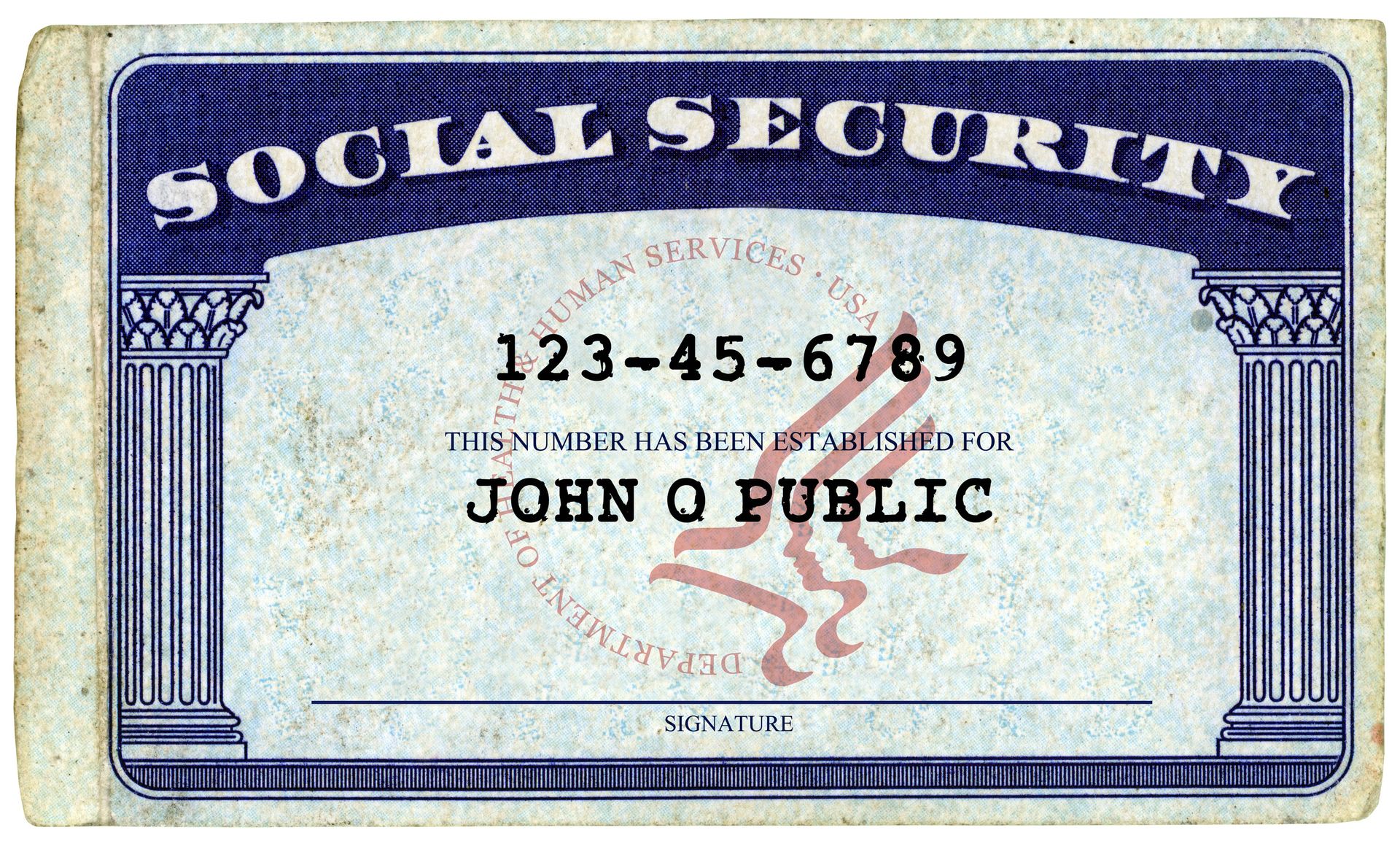
I started with the suggestion by the chatbot to ask how to replace a Social Security card. America.gov explained the basic process and directed me toward the appropriate government resources. I knew beforehand that my journey should begin with the Social Security Administration, but it was still helpful information.
I tried the same approach with passports and Medicare. Again, being able to describe the outcome I wanted was easier than figuring out the vocabulary used by the relevant agency. Tell America.gov what you are trying to accomplish rather than throwing a few keywords into the box and you’ll probably be okay.
That said it’s important to click the sources and not just take it on faith. America.gov can synthesize information, but generative AI adds another interpretive layer between you and the underlying government material. If I am checking a deadline or eligibility requirement, I would verify the important details on the agency page before acting on them. A hallucinated fact is annoying when an AI is helping plan dinner and considerably more consequential when it involves healthcare.
The site’s first day also provided an unusually vivid example of why I don’t want to treat its answers as immutable government truth. In my tests, the chatbot didn’t provide any political information when I asked it questions, which is what the website originally promised.
According to an AP report, America.gov initially answered questions about subjects including who won the 2020 election, presidential term limits, and climate change using information from government sources. Then some of the answers changed. That isn’t evidence of a security problem, but it raises questions of who decides what a government AI service chatbot is allowed to say. If America.gov is going to become a primary interface between Americans and their government, changes to its behavior should not disappear invisibly behind a chat box.
Gov AI privacy
The current chatbot is only the first stage. The White House says America.gov will eventually allow people to complete government transactions rather than merely tell them where to go. The executive order also calls for Login.gov integration so people can authenticate themselves and access participating services through the same portal.
Passport services and Medicare enrollment are planned for the next couple of years, as are legal name changes and federal job applications. The broader idea is that government systems should stop repeatedly asking people for information another part of the government already possesses. If implemented well, that could remove some genuinely miserable bureaucracy. But those are also the features that make me nervous.
Right now, I can use America.gov without giving it much of anything. Asking how passport renewal works is basically an information request. The promised version could sit between my authenticated identity and some of the most sensitive interactions I have with the federal government. That requires an enormous amount of trust.
The executive order creating America.gov says agencies should retain custody and control of their own records, that the system should avoid creating a centralized federal record on Americans, and that personal information should be protected.
Those are good promises. Recent history gives me reasons to want considerably more than promises. The Government Accountability Office examined access given to a Department of Government Efficiency team working with Treasury’s Bureau of the Fiscal Service in 2025 and found that one DOGE employee had access to three federal payment systems and could view, copy and print data. Investigators also found that Treasury had issued the employee a laptop without first ensuring that the employee had agreed to follow security rules intended to prevent data from being transmitted outside the bureau.
And, in March, GAO reported that federal agencies do not always have the technology and resources needed to ensure privacy protections when using AI. Its panel of experts warned that AI can expose personal information contained in underlying datasets, while GAO concluded that existing government-wide guidance did not fully address the major privacy challenges it identified. That report landed only six months before the government launched an AI service it intends to expand across some of its largest public-facing programs.
None of this means Gemini or Grok is quietly reading my Social Security record when I ask America.gov a question. It does mean I want answers before America.gov evolves from helpful government concierge into authenticated government middleman.
The administration is asking Americans to eventually trust America.gov. Given the documented problems around government data access and the GAO’s warning that federal AI privacy guidance remains incomplete, that trust should be earned technically rather than requested rhetorically.