After years of complaints about its limitations and poor overall performance, Siri finally received its long-overdue AI-centric overhaul with iOS 27. The virtual assistant now has a large language model (LLM) foundation, allowing it to comprehend natural speech and discuss a wider range of topics, uniquely analyze what’s visible on your screen, surface your personal data, and perform in-app actions when prompted.
But while Siri AI undoubtedly addresses many of our main issues with its knowledge, its position in iOS 27, while technically still in beta mode but very much available to everyone, introduces a whole new set of drawbacks. From questionable design decisions to lingering unreliability, the new Siri still has a long way to go.
Stealing the Spotlight
Spotlight Search was once one of the best tools to find any local file, launch apps, define words, run shortcuts, calculate, and much more. It was predictable, and it worked well; you swipe down anywhere on the Home Screen to reveal the search bar, start typing, and on-device results would instantly populate and update as you enter your keywords in real time. That was until Siri AI stole its spot and downgraded the entire system.
As of iOS 27, the same gesture reveals a Search or Ask field powered by Siri. Instead of immediately showing you a list of all relevant, on-device results, it now tends to highlight only one local item and prioritizes relaying your search query to Siri. You still get a button to show all results, but the overall workflow is now unintuitive and time-consuming. I often find myself quickly hitting search to locate something, only for Siri AI to take over and give me something I didn’t want.
I get why Apple decided to merge the two functionalities, but many users agree that Spotlight Search and Siri are two very different tools that serve unique purposes. Taking away Spotlight’s predictability defeats the point of the quick search feature. And don’t get me started on the smaller touch target for the Notification Center.
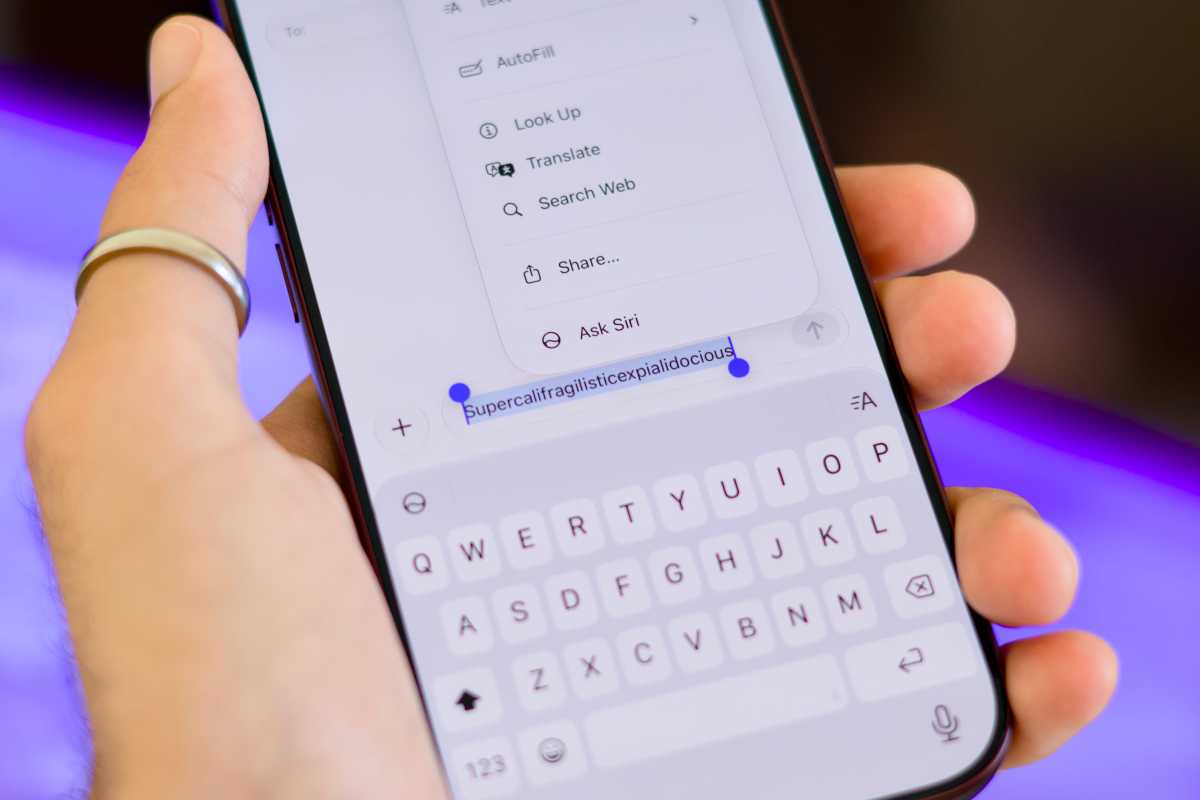
Siri intrudes on too many menus in iOS 27.
Foundry
Writing fools
Spotlight Search isn’t Siri AI’s only new home. iOS 27 also brings Writing Tools under the broader Siri umbrella, degrading the user experience in the process.
Since its initial debut a couple of years ago, I’ve actively relied on the Proofread feature to pinpoint typos and double spaces in my articles. Unlike asking an AI chatbot to proofread, it strictly amends language errors, sparing you from the infamous robotic recommendations and unwanted stylistic tweaks. It’s also less prone to hallucinating or skipping through the text.
With the latest update, Writing Tools are now part of the Write with Siri feature, which prioritizes generating text from scratch rather than simple editing. When I select a passage, the Proofread button doesn’t always show up—and manually asking Siri to proofread the selection gets me a subjective AI chatbot response rather than triggering the objective editing flow.
Even when the native Proofread button appears, its functionality has been botched. The system used to offer arrows to jump between applied edits to review and revert them as needed; I might be missing it, but it’s seemingly gone now, along with the change counter on macOS. So I have to carefully scan the entire text manually to detect the subtly underlined words where edits were made for the final revision. The whole thing is just unintuitive.
Pushy buttons
Siri AI’s takeover can be perceived across the entire system—beyond Spotlight Search and Writing Tools. You’ll notice there’s a new Ask Siri button in context menus all over iOS 27, a design choice that is both intrusive and nonsensical. Siri has a dedicated hardware button, a voice command trigger, and a new universal software gesture; it is accessible anywhere at any time through three distinct methods.
A simple splash screen or onboarding flow informing users about the assistant’s upgraded capabilities would’ve been sufficient for them to learn they can ask Siri about anything now. The same could be said about the new persistent Siri mode in the overloaded Camera app, when Visual Intelligence has long been accessible via the Control Center toggle, Action button, and Camera Control button.
Willful ignorance
Having lived abroad for half a decade, I often come across social media posts written in foreign languages. Prior to Siri AI’s launch, I’d simply its predecessor to have ChatGPT explain what’s on my screen. This would intuitively upload a screenshot to OpenAI’s servers and deliver the response through Siri’s native interface.
With iOS 27, you can still ask Siri for ChatGPT responses, but ChatGPT’s ability to see what’s on your screen is neutered. Given that Siri AI can now handle the task itself, one would shrug it off—except that Siri AI isn’t as smart as OpenAI’s offering.
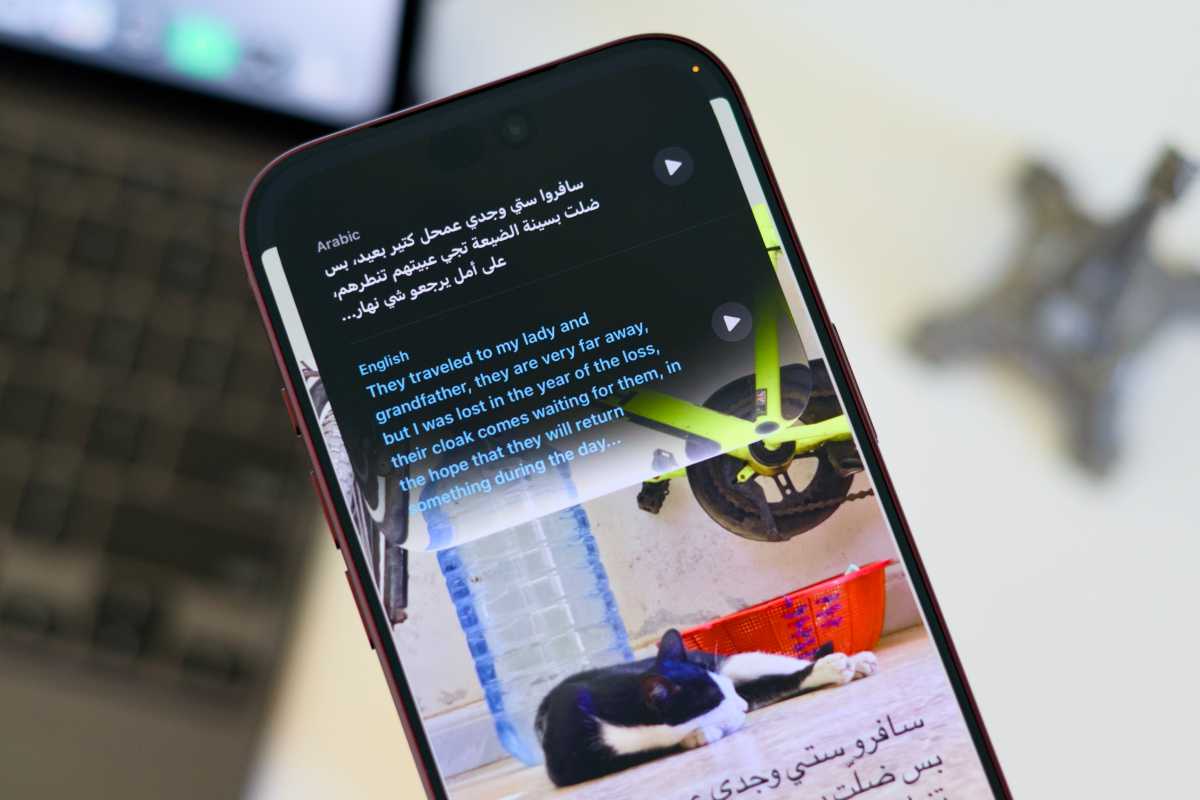
Siri AI’s ability to translate, one of the things AI is supposed to be great at, leaves much to be desired.
Foundry
When I ask Siri AI to analyze foreign text on an image and break down the context, it tends to bring up an instance of Apple Translate, which is exceptionally unreliable at understanding casual, online lingo. So, I need to repeatedly rephrase my prompt and beg Siri AI to eventually agree to analyze the text itself using its knowledge rather than Apple Translate. This adds unnecessary friction and complication to a feature that had long worked smoothly. Siri AI is perfectly capable of handling cultural nuances and foreign slang, and its LLM-powered responses should be the default for this type of request.
Severed servers
Have you missed classic Siri’s “I’m not sure I understand” responses? You’ll be delighted to learn that they live on through Siri AI’s “Something went wrong” error message. While the AI chatbot now does understand most queries, the service frequently gets interrupted and disconnects from Apple’s servers. This often forces you to start over a conversation, which is particularly problematic given that Siri AI cannot recall previous conversations or build and maintain a memory.
Beyond randomly slowing down or failing altogether, the Siri app itself feels half-baked. The interface isn’t as fluid as other native apps, and it sometimes silently defaults back to asking Siri while conversing with the in-app ChatGPT model. Other annoyances include repeatedly mishearing voice commands and asking for clarification on whether I meant X or Y—an issue I never encountered with the old Siri. The app could also use a true voice mode and fewer or more subtle “I’m an AI, please verify info” alerts.
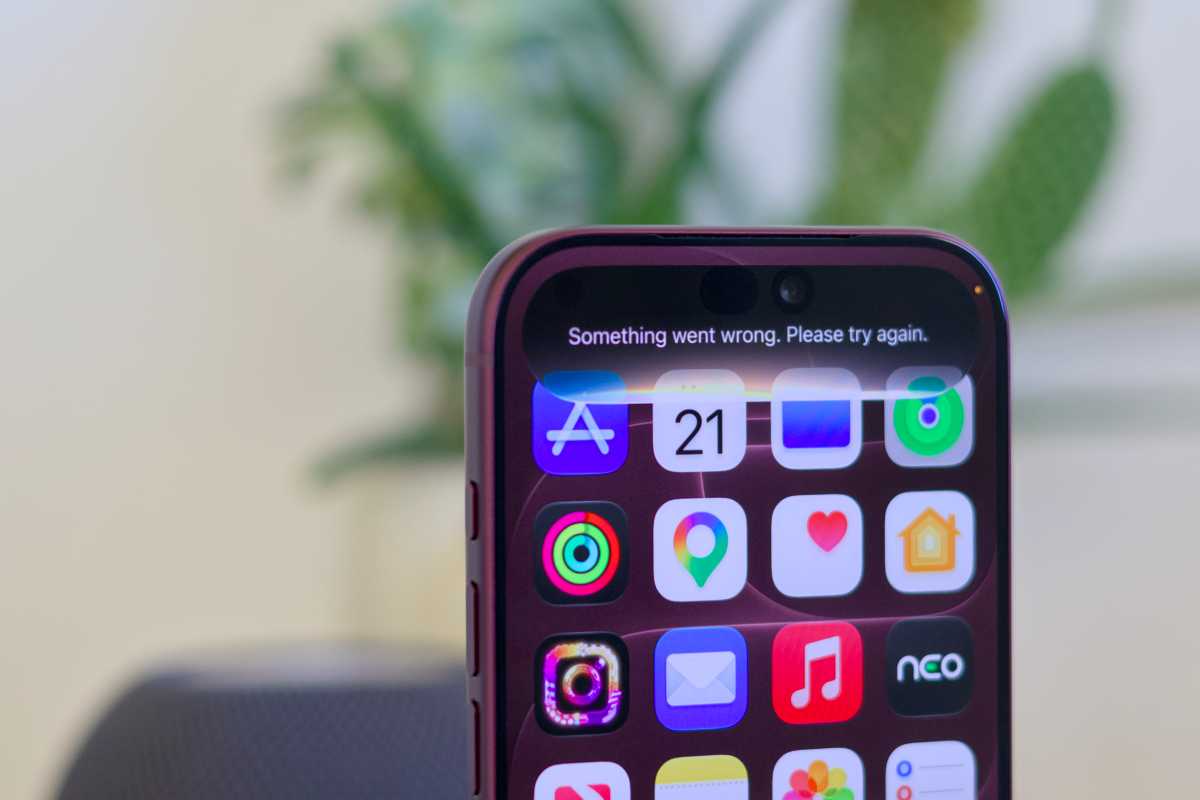
It’s still in beta, of course, but Siri gets tripped up far too often.
Foundry
Whatcha say?
The Siri app’s poor performance is even worse when accessing it from your wrist. watchOS 27 infamously dropped support for all Apple Watches older than the Series 9—presumably to ensure fluidity. Nevertheless, Siri AI is almost unusable on all recent models, taking much longer than before to perform basic tasks and often failing completely. Given that complaints are all over the web, this certainly isn’t an isolated bug. Virtual assistants are designed to speed up life and make it easier, and sadly Siri AI is failing at its core purpose.